REVIEW · HONOLULU
Arizona Memorial Pearl Harbor & Honolulu City Tour from Waikiki
Book on Viator →Operated by Aloha Sunshine Tours · Bookable on Viator
Pearl Harbor day, minus the stress. This Pearl Harbor National Memorial tour is built to help you get in smoothly, then pair the solemn USS Arizona Memorial with an easy guided downtown Honolulu orientation. I like that the package focuses on the memorial itself (Visitor Center film plus the boat ride over), and that you also get narration for the city stops so the names and landmarks actually mean something.
One thing to plan around: your morning timing may shift (pickup windows can move earlier, and sites can be affected by harbor operations or weather). If you hate early starts or have tight plans right after the tour, build in cushion.
In This Review
- Key points before you go
- From Waikiki to Pearl Harbor: what the day is really like
- Pearl Harbor Visitor Center and the 23-minute documentary
- The USS Arizona Memorial: wreckage view and the Remembrance Wall
- Downtown Honolulu narrated: Punchbowl, Aliʻiōlani Hale, and the Kamehameha statue
- Kawaiahaʻo Church and the local stories you don’t get from a photo stop
- Timing, walking, and how to make it comfortable
- Price and value: what $69.99 buys you (and when it’s worth it)
- Who should book this (and who should skip it)
- Should you book Aloha Sunshine Tours for Pearl Harbor and Honolulu?
- FAQ
- How long is the tour?
- Does the tour include pickup from Waikiki?
- Are tickets included for the memorial and Honolulu stops?
- What happens at the Pearl Harbor Visitor Center?
- How much time do you spend at the USS Arizona Memorial?
- Is there a boat ride?
- What are the bag rules at Pearl Harbor?
- Are meals included?
- Is the tour guided in downtown Honolulu?
- Is the tour weather-dependent?
Key points before you go

- Guaranteed entrance focus: the whole day is designed around getting you into the Pearl Harbor memorial experience.
- Navy boat ride over the harbor: a short, calm crossing that gives you real context for what surrounds the memorial.
- USS Arizona Memorial details that hit: wreckage viewing and the Remembrance Wall with 1,177 names.
- Punchbowl views at the National Memorial Cemetery of the Pacific: a crater setting with wide city and ocean sightlines.
- Royal-era landmarks and stories: Aliʻiōlani Hale, the King Kamehameha statue, and talk story moments.
- Small group size (up to 40): easier group management than the huge bus scene.
From Waikiki to Pearl Harbor: what the day is really like
This is one of those “you’re going to remember this forever” days, but it’s also a practical setup. You start with pickup from most Waikiki hotels in an air-conditioned vehicle, then head straight for Pearl Harbor in the morning. The pacing is built around getting you through the core experience without you having to figure out every step on your own.
What makes this feel easier than DIY is the way the tour holds the schedule together. You get entry tickets provided the morning of your tour, and your guide coordinates the flow between the Visitor Center, the memorial boat transfer, and the Honolulu sightseeing time afterward. The group is capped at 40, which generally helps keep the day from turning into a cattle-call scramble.
Just keep your expectations realistic about timing. Pearl Harbor is a busy, security-heavy operation, and the memorial itself depends on navy shuttle operations. Add in the fact that sites can close due to stormy weather, and you get a day where you should stay flexible.
You can also read our reviews of more city tours in Honolulu


Pearl Harbor Visitor Center and the 23-minute documentary

The first stop is the Pearl Harbor Historic Sites Visitor Center. This is not just a lobby—it’s where you get the necessary frame for what happened on December 7, 1941, and why the memorial matters beyond the headlines.
You’ll spend about two hours here exploring exhibits that lead up to the attack, then watch a 23-minute documentary film. That film matters because it gives you a clear timeline before you ever step onto the memorial boat. If you’ve only read a few museum captions before, this kind of short, focused intro helps a lot.
Practical note: this is also where you’ll need to handle the memorial-day rules around bags. Purses and bags aren’t allowed inside Pearl Harbor. You can store bags for $7 each, and clear plastic bags are allowed (similar to what you might use for football games). If you’re the kind of traveler who hates constraints, pack light and plan to travel in a way that makes security checks quick.
The USS Arizona Memorial: wreckage view and the Remembrance Wall
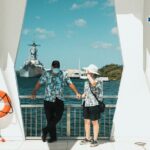
After the Visitor Center, you board a U.S. Navy-operated boat for a short crossing to the USS Arizona Memorial area. The ride is about 10 minutes and typically feels calm, with views of the surrounding military installations. That short boat segment isn’t filler—it acts like a transition. You go from exhibits to the water where the story becomes physically real.
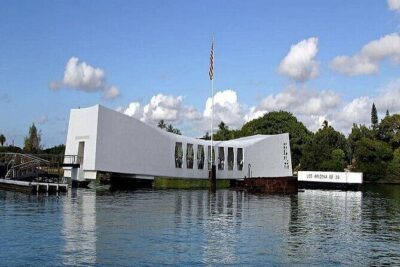
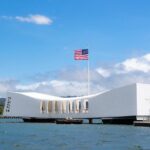
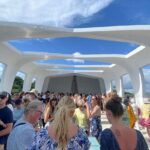
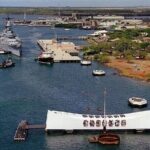
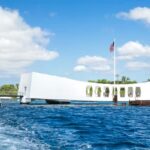
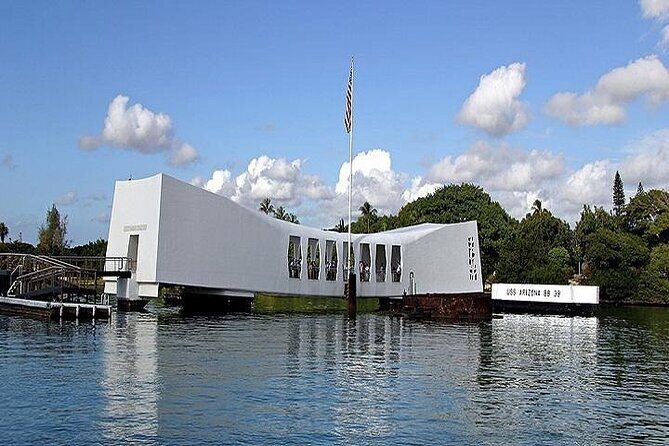
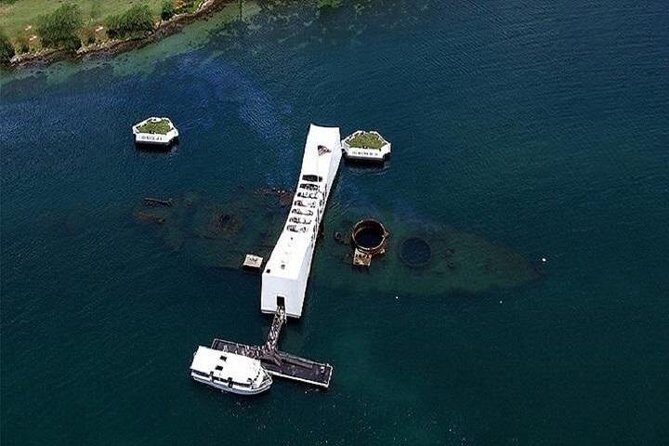
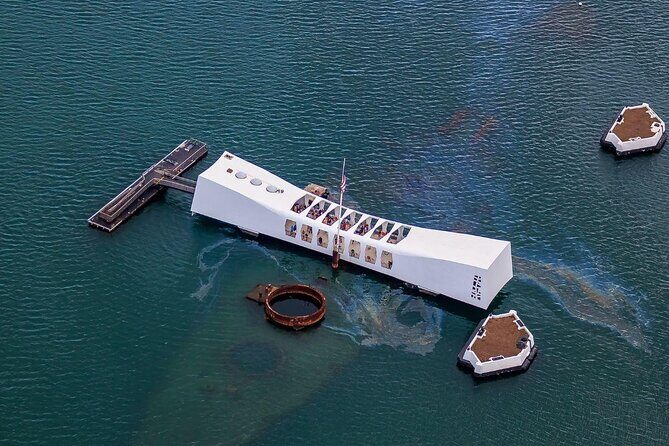
Then comes the main event: the USS Arizona Memorial itself. It’s a white, open-air structure spanning the remains of the sunken battleship. The design encourages silence and reflection, and you’re encouraged to keep a respectful quiet once you’re inside.
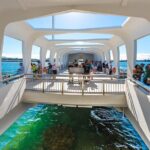
Inside, you can look down at the wreckage. The ship’s outline is visible just below the surface, and oil droplets are sometimes seen rising—often referred to as The Tears of the Arizona. Even if you’ve seen photos, the sightlines and the way the structure frames the water create a very different impact in person.
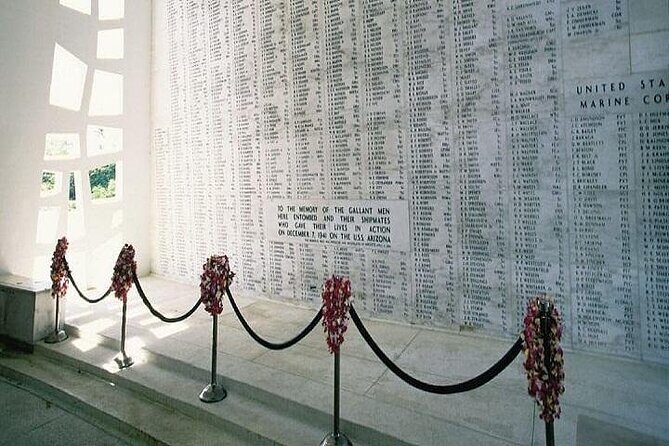
At the far end is the Remembrance Wall, with the names of 1,177 crew members lost aboard the USS Arizona. This is the part that tends to stick with people, because it turns history into individuals. It also explains why the memorial experience is so tightly managed—people need room to feel it, not sprint through it.
One more practical point that shows up in real life: some folks get stuck waiting when ticket logistics don’t line up perfectly. This tour is designed to help you avoid that, but you should still plan on security and operational timing. If you’re relying on a perfectly timed arrival, arrive early to your pickup and keep an eye on any day-of updates from the operator.
Downtown Honolulu narrated: Punchbowl, Aliʻiōlani Hale, and the Kamehameha statue
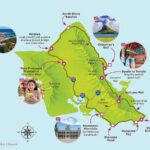
After the memorial, you shift gears from solemn to scenic. The Honolulu portion is narrated by a local guide, designed to connect Hawaii’s monarchy and historic sites with the modern city you see today.
A big stop is the National Memorial Cemetery of the Pacific, known as Punchbowl. It sits on an extinct volcano crater, and the grounds are kept beautifully—rows of white headstones against lush greenery. Because it’s on top of the crater, you also get wide views over the surrounding area, including downtown Honolulu, Diamond Head, and the coastline. If you only glance at city maps, this stop helps you understand how Honolulu “fits” into the landscape.
From there, you’ll visit the only royal palace in the United States: Aliʻiōlani Hale. This is where you learn about Hawaii’s monarchy and hear stories tied to King Kalākaua and Queen Liliʻuokalani, the last reigning monarchs. Next, you’ll view the iconic King Kamehameha statue in front of the building (now housing the Hawaii State Supreme Court). The tour also includes talk story about this building’s role as the original government center of the Hawaiian Kingdom.
You’re not just passing by landmarks here. The value is the narration that gives you context for why these places exist where they do—and what they represented before they became postcard stops.
Kawaiahaʻo Church and the local stories you don’t get from a photo stop
Another included historic moment is Kawaiahaʻo Church, often called the Westminster Abbey of the Pacific. It’s one of the oldest Christian places of worship in Hawaii, and the guide explains its significance and role in Hawaii’s religious history.
This works best when you treat it like a slow stop. People tend to want to rush in and out, but this is a place where the guide’s explanation makes the architecture and the setting feel less random and more meaningful. It’s also a good pause point if your memorial experience leaves you feeling a little emotionally worn out.
If you’re wondering what kind of guide you’ll get, the reviews show a pattern: people often mention guides who mix historical accuracy with a friendly, human pace. Names that come up include Cousin Miah, Summer, Leena, Snyder, Kanoe, Arial, and Anthony. Even if your guide isn’t one of those, the style you want is the same: clear pacing, stories you can follow, and room for questions when you’re genuinely curious.





Timing, walking, and how to make it comfortable
This is a morning-to-early-afternoon style tour, roughly 5 to 6 hours. You’ll be on your feet for multiple segments: the Visitor Center time, the memorial experience, and then several downtown sightseeing stops.
Wear comfortable shoes. You’ll be walking a fair amount across the city stops and moving between points. Also note that the tour is not recommended if you can’t walk 4 city blocks. If you have mobility concerns, ask yourself honestly how you’ll handle uneven sidewalks, stairs, and time spent standing at view areas.
If you’re trying to “optimize” your day, plan meals around your own schedule. Lunch is on your own. The Visitor Center area has dining options, and there are food options near other nearby sites too, including food trucks and snack stands.
And yes, sometimes you get a quick break that can make people smile—one review mentioned a Portuguese donut stop. Don’t treat it like a promise, but do know that the day has built-in opportunities to grab a snack before you’re back on the road.
Price and value: what $69.99 buys you (and when it’s worth it)
At $69.99 per person, this isn’t “cheap.” But it’s also not just a ride to a landmark. You’re paying for a bundle:
- Round-trip Waikiki pickup and drop-off by air-conditioned vehicle
- Tickets provided for the attractions on your tour
- Guided narration during the Honolulu portion
- The coordination that links memorial logistics with city stops
If you tried to do this independently, you’d likely spend time matching shuttle times, finding ticket access, and managing how long you’re willing to wait in line. One thing people consistently care about at Pearl Harbor is avoiding standby chaos. This tour is built around getting you in.
Where the “value” gets shaky is when timing or ticket verification doesn’t go as expected on a specific day. Even when a tour says it’s guaranteed, real-world operations still affect pacing. Still, the structure here is what most DIY plans struggle with: it holds your day together.
So I’d call this a good value if you want two things: (1) less stress getting into the memorial and (2) a narrated Honolulu walk-through so you’re not just stacking random stops.
Who should book this (and who should skip it)
This tour is a strong match if you:
- Want a straightforward Pearl Harbor experience with a guided sequence rather than figuring out the steps alone
- Like having a guide connect Honolulu landmarks with the stories behind them
- Prefer not to manage transportation and admission timing on your own
It’s not the best match if you:
- Need a very late start or have strict timing right after the tour (the day can start early, and pickups can shift)
- Have trouble walking several blocks or standing for extended periods
- Really dislike rules about bags and security procedures
If you’re visiting Honolulu for the first time, doing this early in your stay is smart. It gives you context that makes the rest of your trip feel clearer.
Should you book Aloha Sunshine Tours for Pearl Harbor and Honolulu?
If your priority is Pearl Harbor plus an organized city orientation, I think this is an easy yes. You’re getting the memorial-day elements that matter most—Visitor Center context, a navy boat ride over the harbor, and the USS Arizona Memorial experience with the wreckage view and the Remembrance Wall—then you’re not stuck with only museum time. You get Honolulu stops with narration at Punchbowl, Aliʻiōlani Hale, the Kamehameha statue area, and Kawaiahaʻo Church.
My main caution is timing. Keep your morning flexible, pack light for the bag rules, and assume your day could start a bit earlier than you planned. If you can handle that, this tour is a practical way to honor the memorial without turning your day into logistics math.
FAQ
How long is the tour?
It runs about 5 to 6 hours, approximately.
Does the tour include pickup from Waikiki?
Yes. Pickup and drop-off are included for most hotels in Waikiki.
Are tickets included for the memorial and Honolulu stops?
Yes. Entry tickets to the attractions on your tour are included, and they are provided by your guide on the day of the tour.
What happens at the Pearl Harbor Visitor Center?
You can explore exhibits and watch a 23-minute documentary film. Then you board a U.S. Navy-operated boat for the crossing to the USS Arizona Memorial.
How much time do you spend at the USS Arizona Memorial?
The USS Arizona Memorial stop is about 1 hour.
Is there a boat ride?
Yes. After the Visitor Center, you take a short U.S. Navy boat ride across the harbor to the USS Arizona Memorial area.
What are the bag rules at Pearl Harbor?
Purses and bags are not allowed inside Pearl Harbor. Bags can be stored for $7 each. Clear plastic bags are allowed if the contents are readily visible.
Are meals included?
No. Meals are at your own expense.
Is the tour guided in downtown Honolulu?
Yes. You’ll get narration from a local guide during the historic downtown Honolulu portion.
Is the tour weather-dependent?
Yes. Sites are subject to close due to stormy weather, and the experience requires good weather.