REVIEW · HONOLULU
Best Waikiki Whale Watching in Honolulu: Whales Guaranteed
Book on Viator →Operated by Three Tiki Sailing · Bookable on Viator
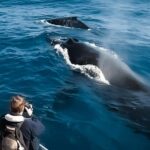
Whales off Waikiki can be pure magic. This 2-hour sail from 1 Holomoana St mixes easy comfort on a spacious trimaran with real guidance to help you find humpbacks off Oʻahu. I like the unobstructed deck views (so you’re not craning around people) and I really appreciate the operator’s whales-guaranteed promise.
One thing to keep your expectations grounded: whales might not surface the way you picture, especially early or if ocean conditions are choppy. Even then, the experience still has value because the crew works hard to keep you comfortable and on the action.
In This Review
- Key highlights before you go
- Waikiki Whale Watching From a Trimaran With Room to Move
- The 2-Hour Route: From Holomoana Street to Whale-Spotting Vantage Points
- Front Loungers, Smooth Sailing, and Photo Tips That Matter
- BYOB on Board: What to Bring for Comfort (and What’s Provided)
- The Whale Guarantee: How It Works When Nature Goes Its Own Way
- Should You Book Three Tiki Sailing’s Whale Watch?
- FAQ
- How much is the Waikiki whale watching tour?
- How long is the tour?
- Where do we meet?
- What boat will we be on?
- Is bottled water provided and can I bring food and drinks?
- Is the tour in English?
- Is there a limit on group size?
- What happens if I don’t see whales?
- Can I cancel for free?
Key highlights before you go
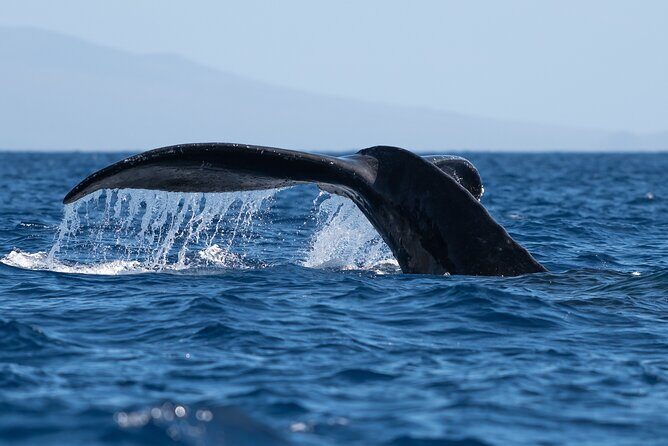
- Spacious trimaran with room to walk and look out for sightings
- On-board naturalists and crew guiding you to the best vantage points
- Whales guaranteed with a free trip if you don’t see whales based on availability
- BYOB is allowed and bottled water is provided
- Small group size with a maximum of 35 travelers
- Photo-friendly setup with tips like waterproof phone protection and sunblock
Waikiki Whale Watching From a Trimaran With Room to Move
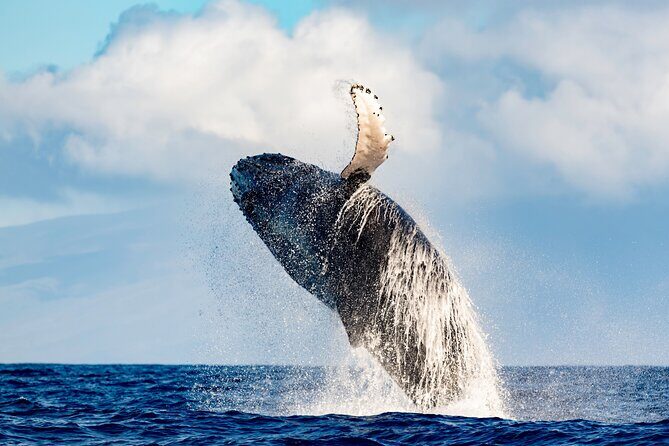
This is a classic Honolulu activity done the practical way: you get out of the busy Waikiki shoreline fast, then you spend time on the water with a boat setup built for spotting. The ride uses a modern trimaran, and that matters because whale watching is all about sightlines. You want a deck where you can stand, move, and switch angles without everyone bottlenecking at the rail.
Another reason this tour feels like good value is the mix of comfort and focus. You’re not stuck in a tiny compartment. The deck is spacious enough that you can spread out, and that helps you actually see what the crew is calling out. A few people also specifically noted the smoothness from the boat’s triple-hull design, which is a big deal if you usually feel seasick.
I also like that the whole operation stays small. With a max of 35 travelers, it’s easier for the crew to manage sighting “spotting” and safety, and you’re less likely to feel like you’re watching from a crowded cattle chute.
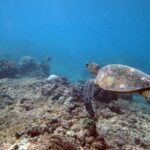
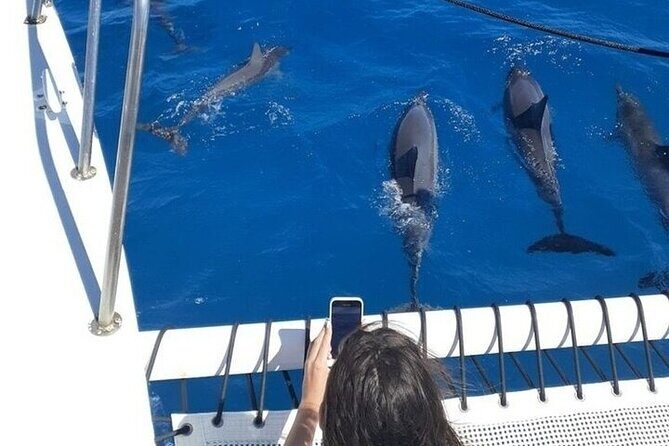
If you’re coming during a time when humpbacks are less active, the tour still makes sense because you’ll be out on the water with experts working the area. You may also catch other marine life sightings like dolphins or even sea turtles, but those are bonuses, not the goal.
You can also read our reviews of more whale watching tours in Honolulu
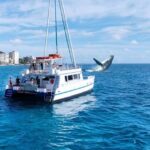
The 2-Hour Route: From Holomoana Street to Whale-Spotting Vantage Points
Your day starts at 1 Holomoana St, Honolulu, HI 96815. Plan to arrive 30 minutes early so you can check in without rushing. Then you’ll board the trimaran and settle in before the cruise.
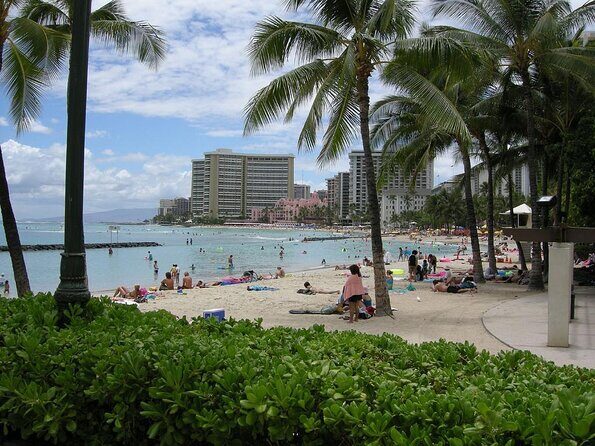
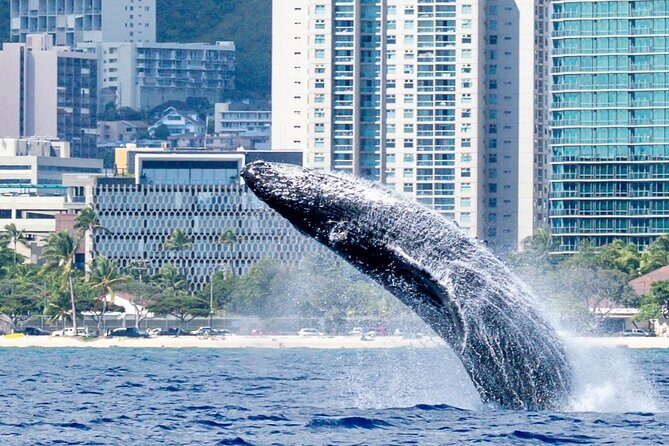
Here’s how the actual time usually plays out once you’re underway. First, you sail out from Waikiki toward whale territory off Oʻahu’s south shore. The tour highlights include seeing humpback whales from the coast area and getting views with Diamond Head in the background, which is a nice bonus for photos. The crew and on-board naturalists then guide you to the better locations during your window, which is how whale watching becomes more than just “drive around and hope.”
During the sail, you’ll usually do three things:
- Scan the water for blows, flukes, and movement near where whales surface
- Listen for crew guidance as they adjust the route to give the best angles
- Take breaks as needed, because two hours can feel long if you’re only staring without a plan
A key detail: this tour is paced for spotting. One of the best signals from the feedback is that captains adjust the route when they find activity, instead of treating every sighting as luck. That’s why you’ll hear advice like paying attention to the crew and how to spot for whales—because the best view often comes from knowing what you’re looking for.
The trip ends back where it starts, at the meeting point, so you’re not stranded across town when you finish.
Front Loungers, Smooth Sailing, and Photo Tips That Matter
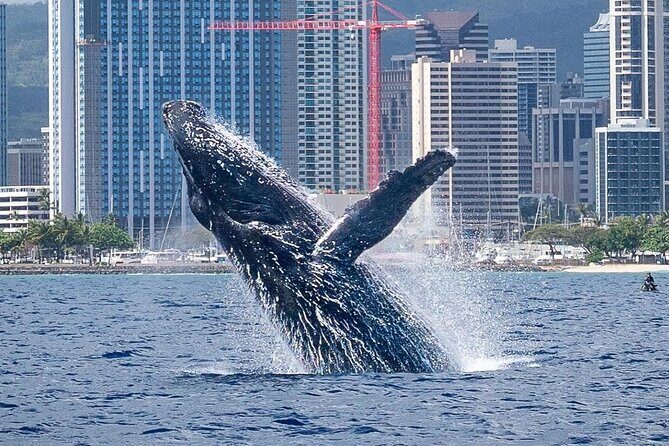
You’ll feel the difference between a whale watch that’s built for views versus one that’s built for “check the box.” This one leans hard into the view factor. People call out the front loungers as the best seat on the sea, and that’s consistent with the basic logic of whale watching: you want a higher, clearer angle for flukes and breaching moments.
If you’re photographing, don’t rely on luck. I’d treat it like a pro tip list:
- Use a waterproof pouch for your phone
- Strap and lanyard your phone so it doesn’t turn into a sea-floor souvenir
- Bring sunblock, because Hawaii glare is real and you’ll be out there long enough for it to matter
Also plan for movement. Even if the boat is a trimaran and many people report it feels stable, ocean conditions can still be choppy. One of the most useful practical suggestions from past sailors is to consider motion sickness support if you know you get queasy. That’s not weakness; it’s planning. If you feel better, you’ll actually enjoy scanning for blows and watching behavior instead of counting minutes until you can sit down.
And yes, the vibe can help too. Several people mention a friendly, playful crew energy, including music on board in at least some cases. That sounds small, but on a whale watch it matters: when you’re relaxed, you’re more likely to notice the subtle stuff—like a tail swing or the rhythm of a pod moving together—before the dramatic moment happens.
BYOB on Board: What to Bring for Comfort (and What’s Provided)
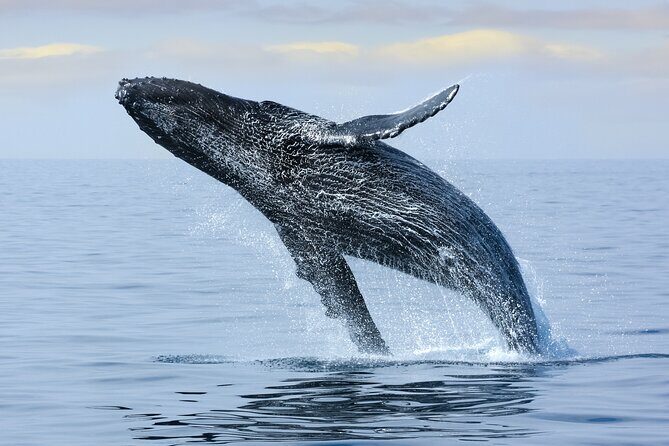
This is one of those tours that keeps the rules simple. You can do BYOB (bring your own food and drinks) on board, and bottled water is provided. That’s a genuine value win because two hours goes faster when you’re not hungry, thirsty, or stuck buying snacks at inflated prices right before you leave.
So what should you bring? Here’s a practical approach:
- Food you can eat without making a mess in a moving boat (snacks beat heavy meals)
- Drinks you’ll actually want, since you’re allowed to bring your own
- A waterproof setup for your phone if you plan to shoot video when whales surface
Comfort items matter more than people think. Sunblock is a must, and something to help you handle glare and wind will make the deck time easier. If you’re sensitive to motion, bring your plan for that too. One reviewer advice that stands out is using motion sickness meds if you’re prone to sea sickness. If you already know what works for you, stick to that.
One more thing: the crew is part of the experience. Past feedback highlights captains and staff who answer questions and point out what you’re seeing. That turns BYOB from “just bring snacks” into “actually enjoy the ride while learning what’s happening.”
This tour also works well for families, including at least one situation where a parent brought a 10-year-old. If you’re traveling with kids, a couple of considerations help: pack something small for them to munch, plan for sun, and bring a phone-protection setup so everyone can capture moments without stress.
The Whale Guarantee: How It Works When Nature Goes Its Own Way
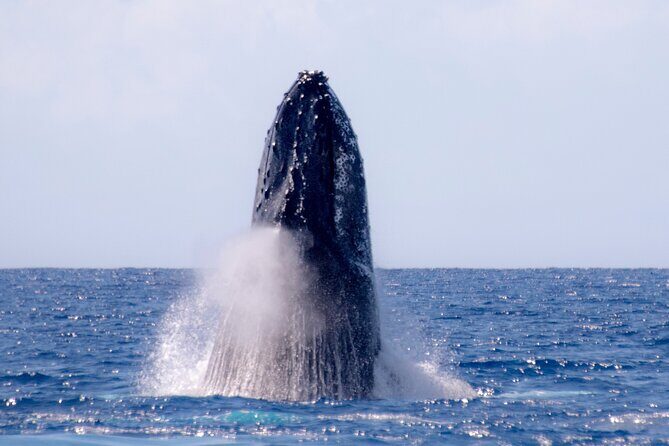
Let’s talk about the big promise: this tour is advertised as whales guaranteed. If you don’t see whales, you can receive a free trip based on availability. That’s not just marketing language here; people report getting a free future trip invitation or voucher after a whale-free outing.
That guarantee is meaningful for two reasons. First, it acknowledges reality: whales are wild animals. Second, it means the operator isn’t treating whale watching like a purely transactional lottery ticket.
Still, you should know what “guarantee” can look like on the water. One common pattern is that you might see whales partially—maybe movement or activity without the full breach moment you want. Some guests also reported no whale sightings on the day, but still had a beautiful time at sea with dolphins and turtles, plus an offer to go again.
If you’re the kind of traveler who wants the dramatic breach shots only, keep a little flexibility. Ocean timing and whale behavior decide when the big moments happen. But if you’re okay with the “up close and personal” feeling of humpback activity—even if it’s more swim and surface behavior than constant jumping—this experience can still be incredibly rewarding.
The crew’s role is huge. Multiple people describe captains shifting the route to get better views and staying safety-first. That’s the difference between a tour that wanders and one that actively searches. When the boat finds whales, the deck layout and guidance help you actually take in what’s happening, instead of missing it while you’re trying to figure out where to look.





Should You Book Three Tiki Sailing’s Whale Watch?
I think you should book this tour if you want a whale watch that’s practical, not chaotic. The trimaran setup, the small group size (max 35), and the fact that bottled water is provided alongside BYOB makes it feel like solid value for a two-hour outing. Add the whales-guaranteed promise, and you’re not just gambling with your vacation time.
Book it especially if:
- You care about views from a deck with room to move
- You want a crew that actively helps you spot whales
- You’re open to bringing your own snacks and drinks for a more comfortable ride
- You’d like a plan that includes a safety net if whales don’t show
Pass or consider alternatives if:
- You’re only satisfied by repeated breaching photo moments, every time
- Your schedule can’t handle a possible “go again later” outcome if the day’s conditions don’t line up
If you’re going, pack for the deck: sunblock, phone protection, and a backup plan for sea sickness if you need it. That’s how you turn a whale watch into a real memory, not an exercise in waiting.
FAQ
How much is the Waikiki whale watching tour?
It’s $79.00 per person.
How long is the tour?
The cruise lasts about 2 hours.
Where do we meet?
Meet at 1 Holomoana St, Honolulu, HI 96815, USA. The trip ends back at the same meeting point.
What boat will we be on?
The tour is on a trimaran with a spacious deck and unobstructed viewing.
Is bottled water provided and can I bring food and drinks?
Yes. Bottled water is provided, and BYOB (bring your own food and drinks) is allowed.
Is the tour in English?
Yes, the tour is offered in English.
Is there a limit on group size?
Yes, the tour has a maximum of 35 travelers.
What happens if I don’t see whales?
The experience is described as whales guaranteed. If whales aren’t spotted, you’ll receive a free trip based on availability.
Can I cancel for free?
Yes. You can cancel up to 24 hours in advance for a full refund. It can also be canceled for poor weather, with an offer of a different date or a full refund.