REVIEW · HONOLULU
From Honolulu: Complete Oahu Island Helicopter Tour
Book on GetYourGuide →Operated by Blue Hawaiian Helicopters · Bookable on GetYourGuide
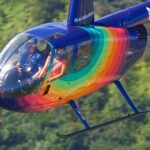
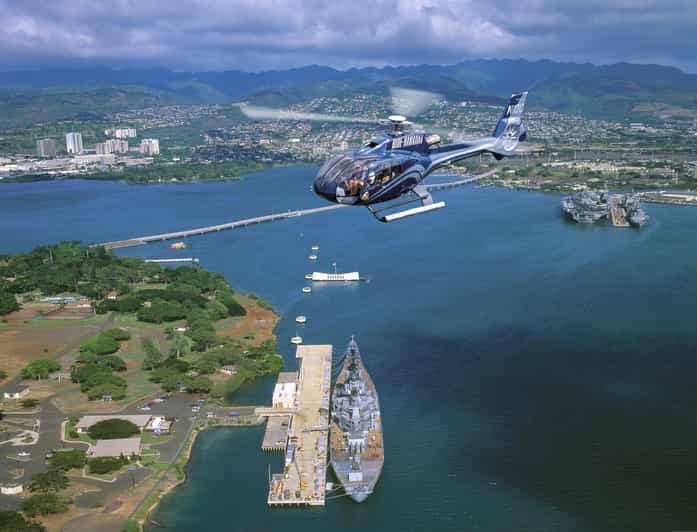
One hour is all it takes to understand Oahu from the sky. I love how the flight frames Pearl Harbor and the USS Arizona from above, and I love having Bose noise-cancelling headsets with clear narration. The one drawback to plan for is simple: it is a pricey ride, and you only get 65 minutes.
You will also feel the difference of a small group (up to 6). With limited seats, the pilot can keep things organized and you spend less time waiting and more time looking down at the island’s shapes, water, and green valleys.
There are rules you should know before you go, including check-in 45 minutes early, and no hats or selfie sticks in the cabin. If you follow the basics, this is a smooth way to get your bearings fast and see Oahu’s biggest landmarks in one loop.
In This Review
- Key highlights you’ll care about
- Why a 65-minute Oahu helicopter tour feels like the smartest shortcut
- Departing Honolulu: check-in basics that prevent stress
- Pearl Harbor and the USS Arizona: the view with emotional weight
- Honolulu to Diamond Head: spotting the island’s “signature edges”
- Kaneohe Bay’s coral reef lines: where the water tells a story
- Nuuanu Rainforest and Sacred Falls: seeing Oahu’s vertical drama
- North Shore flying route: the surf-mecca grid
- Dole Plantation panoramas: when a landmark turns into a viewfinder
- Waianae mountain range: the rugged edge of the island
- Price and value: is $475 per person worth it
- What’s included in the cabin (and why it matters)
- Photo rules and clothing tips that help your results
- The small-group setup: up to 6 people, not a cattle call
- Who this tour suits best (and who might want to rethink it)
- Booking readiness: the details that can affect your seat
- Should you book Blue Hawaiian’s Complete Oahu Island Helicopter Tour?
- FAQ
- How long is the Oahu helicopter tour from Honolulu?
- What are the main sights included in the flight?
- What time should I check in?
- What should I bring to the meeting point?
- What items are not allowed during the tour?
- Is the tour wheelchair accessible?
- Are there rules based on weight or seat assignments?
Key highlights you’ll care about
- Pearl Harbor from above with a direct look at the USS Arizona
- Nuuanu Rainforest and Sacred Falls as you fly over Oahu’s tallest waterfall
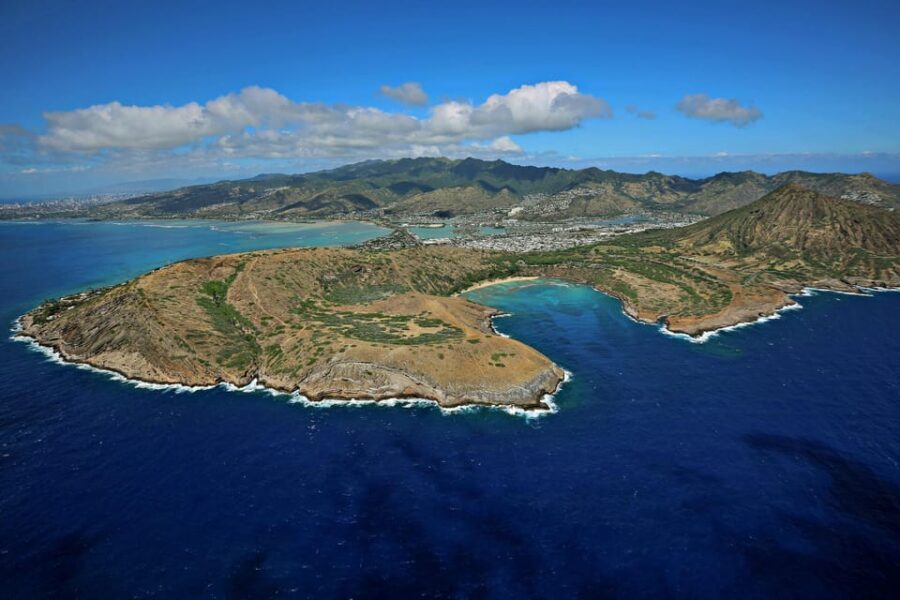
- Diamond Head, Kaneohe Bay, and reef edges that are hard to appreciate from the road
- North Shore surfing country laid out beneath you as you move across the island
- Dole Plantation views with wide angles you just cannot get on the ground
- Small-group pace designed for attention, not lineups
Why a 65-minute Oahu helicopter tour feels like the smartest shortcut
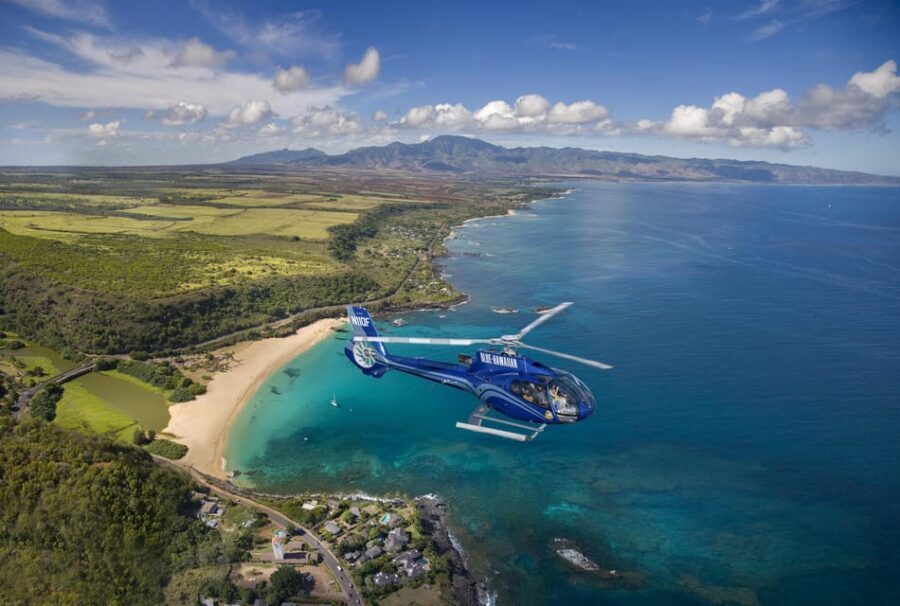
Oahu has a way of eating time. Traffic, parking, and “where do we start” questions add up fast. This tour is built to solve that in one go: you take off from Honolulu, then cover the island’s signature sights in about an hour.
At 65 minutes, the focus stays sharp. You are not stuck waiting for a long bus ride between far-flung areas. Instead, you get a moving view of how Oahu hangs together: volcanic points, reef shelves, mountain valleys, and surf towns all in the same flight.
You can also read our reviews of more tours and experiences in Honolulu
Departing Honolulu: check-in basics that prevent stress
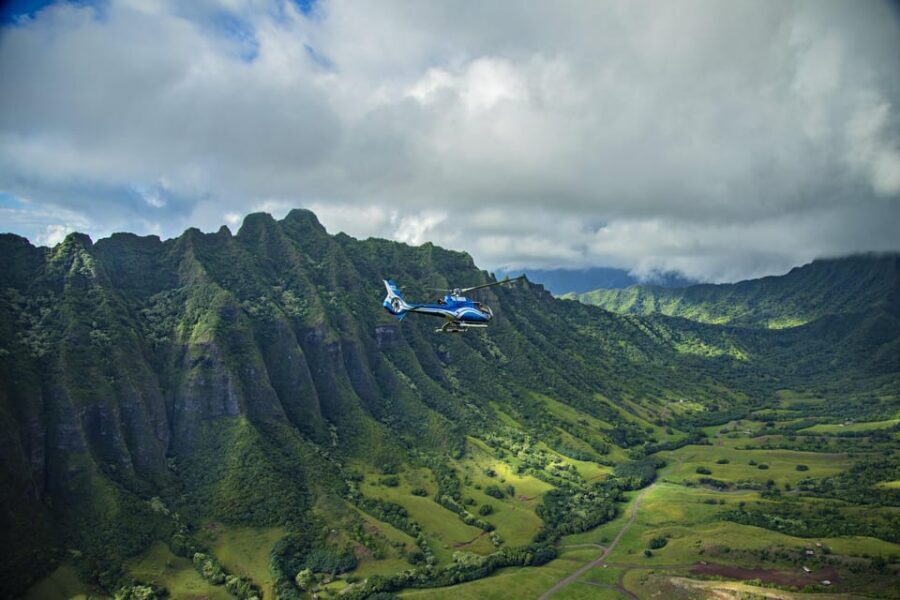
This is the kind of experience where timing matters. You check in 45 minutes before your tour time, and late arrivals may not be accepted and are non-refundable. It’s also a tighter cabin situation than you might expect, with limited space for items.
The practical move: arrive early, bring only what you need, and keep your ID ready. You’ll also want to follow the rules—no hats, no luggage or large bags, and no selfie sticks—because those details can slow things down if you show up with extra gear.
Pearl Harbor and the USS Arizona: the view with emotional weight
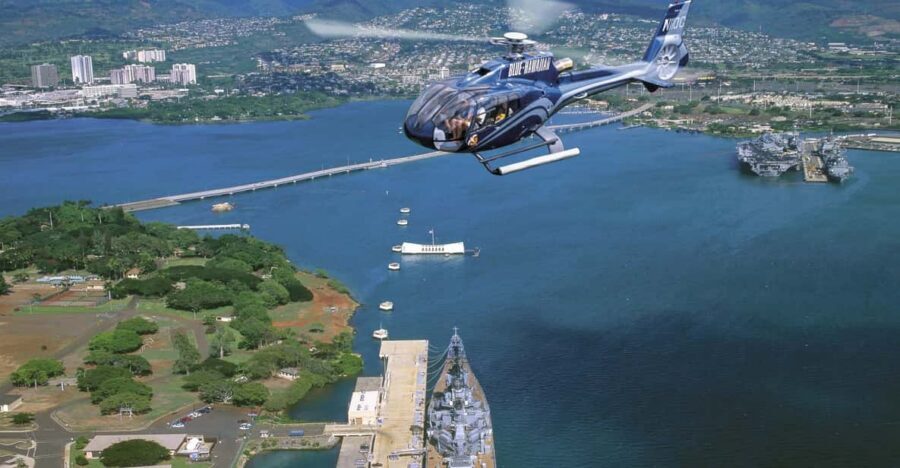
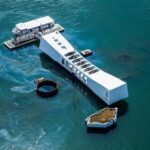
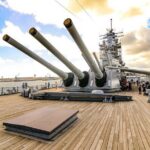
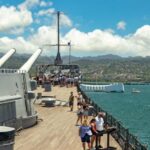
The first major anchor of the route is Pearl Harbor, including an aerial view of the USS Arizona Memorial area. From the sky, the harbor turns into a clear layout: water basins, shoreline shapes, and the memorial zone all become easier to place spatially.
This is one reason the helicopter format works. From roads or viewpoints, you see parts of the area. From above, you see the relationship between the water and the memorial location in one glance. It helps you understand where everything sits, which makes the experience feel more grounded.
Honolulu to Diamond Head: spotting the island’s “signature edges”
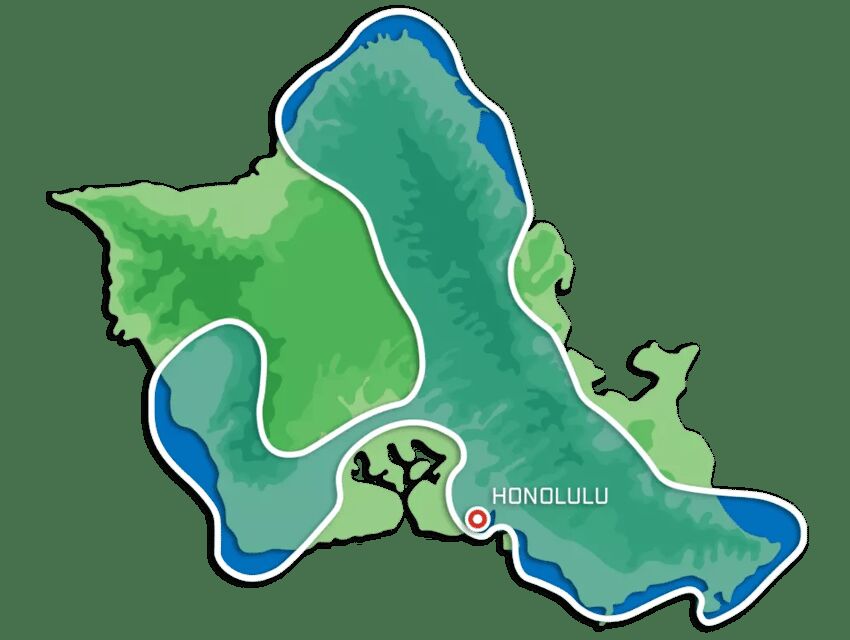
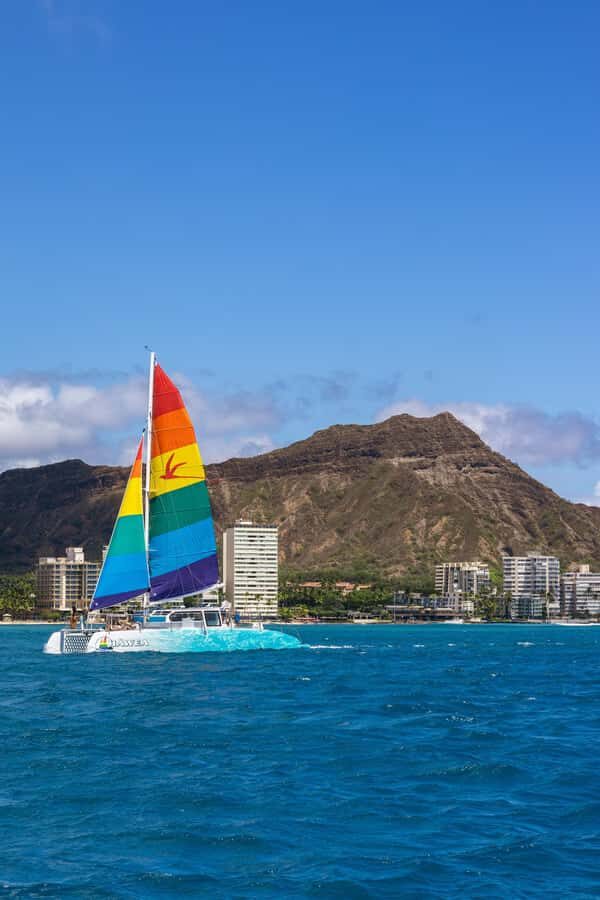
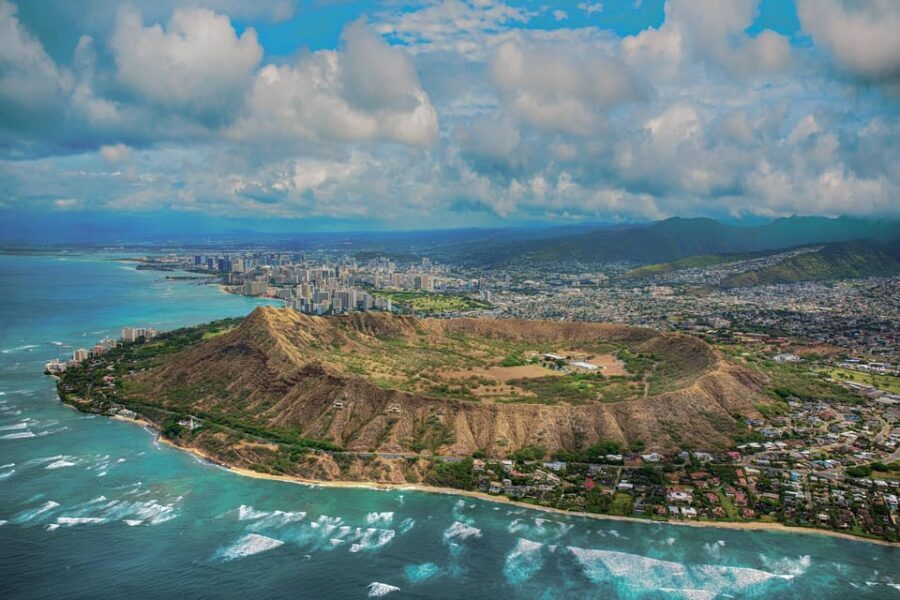
After you pass the Honolulu side, your eyes start tracking landmarks you might recognize instantly, but with new context. Diamond Head is a great example. On the ground, it is a single iconic shape. From above, it becomes a piece of a bigger geological story—the crater sits in a wider band of coast, with the ocean and developed areas creating contrast.
You also start seeing the island’s natural boundaries more clearly. The tour takes you beyond just “pretty sights,” into the way Oahu’s coastline and valleys create routes for wind, water, and weather. Even if you have only a short time on the island, this gives you a map in your head.
Kaneohe Bay’s coral reef lines: where the water tells a story
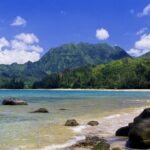
One of my favorite parts of the flight is the attention to Kaneohe Bay. When reefs show up from above, they look like delicate patterns—edges that mark where the sea changes depth and color.
This matters because Oahu’s water isn’t uniform. Some zones are shallow and glow, while deeper water fades and stretches. From the road, you can guess. From the helicopter, you can see it. That makes snorkeling recommendations and ocean-day planning much easier later, because you understand what you are actually aiming to reach.





Nuuanu Rainforest and Sacred Falls: seeing Oahu’s vertical drama
Then you move into the green, and the tour leans hard into what aerial views do best. The Nuuanu Rainforest area gives you a wide look at dense foliage that’s hard to appreciate when you are walking with tree cover all around.
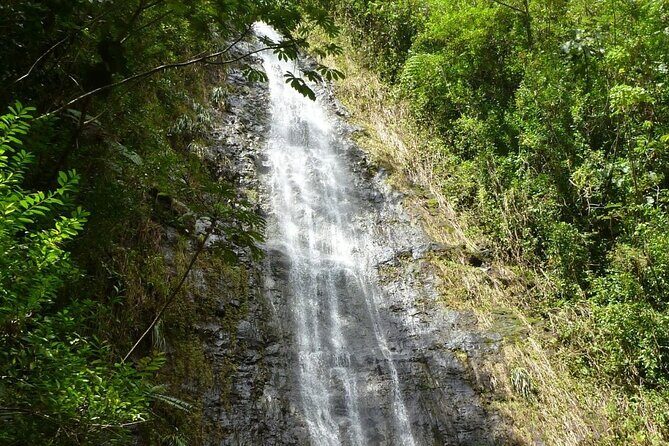
The highlight here is Sacred Falls, described as Oahu’s tallest waterfall. From the air, a waterfall is not just a drop. It becomes a whole vertical corridor carved into the hillsides. You can often trace where water gathers and where it spills, which makes the waterfall feel more like a system than a single viewpoint spot.
If you like nature scenes that look different from typical postcard framing, this is the moment you’ll probably remember most.
North Shore flying route: the surf-mecca grid
Next comes North Shore, the surfing region many people plan around. From above, the shoreline breaks into patterns—beach stretches, roads, and coastline bends—so you can actually picture why certain spots became famous.
The flight view also helps you understand travel distance. The North Shore is not one single place you reach in five minutes. It’s a chain of areas with different vibes. Seeing the region from above can help you decide what to target on a future trip, because you can connect the dots between coastline shape and where people congregate.
Dole Plantation panoramas: when a landmark turns into a viewfinder
A big part of this tour is the Dole Plantation area, with panoramic views as you fly over. On the ground, it’s a destination. From above, it turns into an angle and a geography lesson: where the plantation sits in relation to nearby roads and slopes, and how the area fits into the island’s wider terrain.
This segment is great if you want a “wide angle” feeling—like you can look down and see multiple regions at once. It’s also a confidence boost for your whole trip. After a flight like this, most other stops make more sense.
Waianae mountain range: the rugged edge of the island
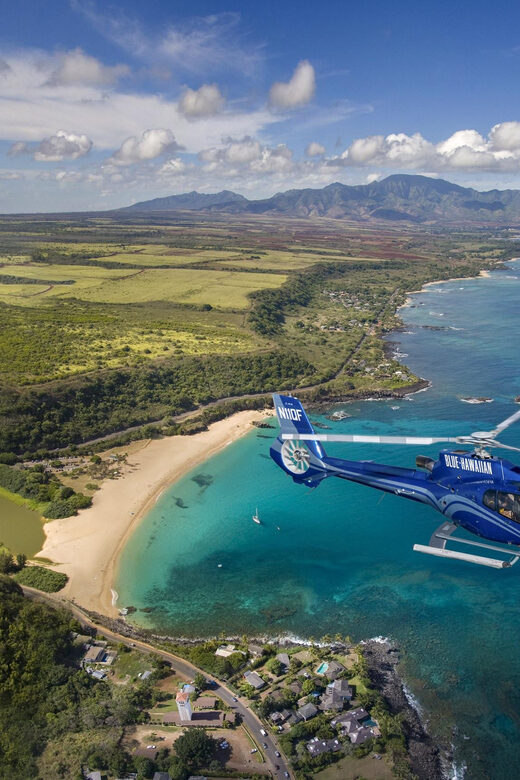
The route continues toward the Waianae mountain range, where the island shifts into a more rugged silhouette. From above, mountain ridges don’t just look tall. They look layered—like separate folds and slopes working together.
This matters because it shows you that Oahu isn’t just the postcard coast. There is serious topography behind the scenes. If you are the type who likes to understand why a place looks the way it does, this is the payoff.
Price and value: is $475 per person worth it
Let’s talk value plainly. At $475 per person for a 65-minute flight, this is not a budget activity. Helicopter tours are expensive because the product is direct access: you are paying for time in the air plus aircraft operation and specialized equipment.
So what do you get for the money? You get a tight loop over multiple top-tier sights, with live narration and a real-purpose route that covers both history (Pearl Harbor) and natural drama (rainforest and Sacred Falls) plus the iconic coastlines (Diamond Head, Kaneohe Bay, North Shore). One hour can be the difference between feeling scattered and feeling oriented.
The other value point is comfort and clarity. You use Bose Aviation-grade electronic noise-cancelling headsets and microphones for two-way communication with the pilot. That means you can actually interact instead of just listening to static or guessing what you’re seeing.
My practical take: if you have limited days in Oahu and you want maximum sight coverage without road congestion, this price starts to make sense.
What’s included in the cabin (and why it matters)
You’re not just buying a seat. This tour includes a few essentials that change the experience.
- State of Hawaii certified tour guide/pilot with narration
- Helicopter flight as the core product
- Bose aviation-grade electronic noise-cancelling headsets
- Two-way communication via microphones
That headset and mic setup is a big deal. In a helicopter, wind and rotor noise can be intense. Cancelling headsets help you hear the narration clearly, and the two-way setup makes it easier to ask about what you are seeing.
Also, maintenance standards are part of the trust equation. The tour notes FAA Diamond Award-winning maintenance, which gives you a bit of comfort when you are choosing an operator.
Photo rules and clothing tips that help your results
You will be able to take photos. This tour also highlights that you can purchase a DVD or photos of your flight afterward (and that a USB package is available for purchase separately).
For smoother photo results, I’d follow the recommended clothing tip: wear dark-colored clothing so it does not reflect in photos. It sounds small, but reflections can ruin a shot—especially with bright sunlight and windows close to you.
Also remember the cabin rules: no hats and no selfie sticks. If you care about photos, plan to hold your phone/camera steadily and keep your hands free.
The small-group setup: up to 6 people, not a cattle call
The tour limits the group to 6 participants. In practice, small-group touring usually means a better experience for two reasons: less jostling around the aircraft and a more personal feel from the crew.
You also get a clearer sense of what you’re looking at because narration can match where you are positioned in the cabin. Even if you don’t catch every word, you can connect the sights to the geography under you.
Who this tour suits best (and who might want to rethink it)
This is a strong fit if you:
- want a high-coverage overview of Oahu in a short window
- hate sitting in traffic and prefer time in the air
- are planning a first trip and want your mental map built quickly
- love aerial photography and want a route that makes it easier
It might be a less ideal choice if you:
- are trying to stretch a tight budget (this is premium pricing)
- prefer slow, on-the-ground exploring where you can stop, walk, and linger at each spot
One more practical note: there’s a rule about diving. No scuba diving within 24 hours of tour departure. If you are mixing activities, plan the timing.
Booking readiness: the details that can affect your seat
There are a few things to know so nothing surprises you on the day.
- You need passport or ID.
- Late arrivals can be refused and are non-refundable.
- There’s an aircraft balancing rule for weight over 240 pounds (108 kg): an adjacent empty seat is required, and the second seat is charged at half off. You need to arrange that additional seat after booking.
- Infants up to 23 months sit on laps and are free of charge.
These details sound technical, but they matter because they protect safety and seating balance.
Should you book Blue Hawaiian’s Complete Oahu Island Helicopter Tour?
If you want an efficient, high-impact way to see major Oahu highlights, I think this is an easy yes. The combination of Pearl Harbor/USS Arizona, rainforest and Sacred Falls, and then coast-to-mountain views (Diamond Head, Kaneohe Bay reefs, North Shore, Dole Plantation, Waianae) gives you a full picture that most ground plans can’t match in one day.
The biggest reason to book is simple: it saves you time and makes the island feel understandable. The biggest reason to hesitate is price—at $475 you should be sure you’re comfortable paying for that aerial “cover everything” advantage.
If you are the type who likes to get your bearings early and then enjoy the rest of the trip more confidently, this helicopter loop does exactly that.
FAQ
How long is the Oahu helicopter tour from Honolulu?
The tour duration is 65 minutes.
What are the main sights included in the flight?
You fly over Pearl Harbor and see the USS Arizona Memorial from above, then view Nuuanu Rainforest and Sacred Falls, Diamond Head, Kaneohe Bay, the North Shore, Dole Plantation, and the Waianae mountain range.
What time should I check in?
You should check in 45 minutes prior to the tour time.
What should I bring to the meeting point?
Bring a passport or ID card.
What items are not allowed during the tour?
You cannot bring hats, luggage or large bags, or selfie sticks.
Is the tour wheelchair accessible?
Yes, the tour is wheelchair accessible.
Are there rules based on weight or seat assignments?
Yes. For each guest weighing over 240 pounds (108 kg), an adjacent empty seat is required for balancing. The second seat is charged at half off, and you arrange the additional seat after booking.