REVIEW · HONOLULU
Hawaii Volcanoes National Park Experience Departing from Oahu
Book on Viator →Operated by Hawaii Island Experiences, LLC · Bookable on Viator
Early morning flights, then lava-scale scenery. This day trip is built for one thing: getting you from Oahu to Hawaii Volcanoes National Park and back with a guide who explains what you’re seeing as the day’s climates change fast. You’ll cover Kona farms, a quiet forest trail, a classic black sand coastline, then the park’s craters, lava tube, and steam vents.
What I like most is the way it bundles the big ticket items. You get the inter-island airfare to Kona International Airport, roundtrip, plus national park admission and guided narration without you planning your own logistics. I also love the pacing of the stops: you’re not just parked at one viewpoint. You get real time on the ground—plus frequent explanations in the van.
The main drawback is that the whole day depends on flight timing. If your inter-island flight is delayed, the schedule shifts, and you’ll spend a lot of time in transit. Still, that’s the trade for packing a Big Island sampler into one day.
In This Review
- Key things to know before you go
- From Oahu to Kona in one day: the real value
- Greenwell Farms in the Kona district: coffee with volcano roots
- Manuka State Wayside Park: a short trail with a geology lesson
- Punaluʻu Bake Shop and black sand: where lunch turns into a story
- Hawaii Volcanoes National Park: craters, lava tube, and steam vents
- Mauna Kea Access Road and the Kohala Coast: climate shifts on fast wheels
- Hilo stops that feel different from the west side
- Why the guided narration matters on a long day
- What to pack: layers, shoes, water, and a respect for volcanic air
- Price and value: $589.99 is high, but it includes the hard parts
- Should you book this Hawaii Volcanoes day trip from Oahu?
Key things to know before you go
- Roundtrip flights from Oahu to Kona are included, so you skip the rental car planning.
- You spend 8+ hours on the ground, including a full guided visit at Volcanoes National Park.
- Punaluʻu Bake Shop + black sand beach break up the day with food and sea-turtle viewing spots.
- Volcanoes National Park highlights can include Halemaʻumaʻu views, Kīlauea Iki, Thurston Lava Tube, and steam vents.
- Bring layers and sturdy shoes because conditions can swing, especially higher up.
- Max group size is 22, which helps you stay together on a long route.
From Oahu to Kona in one day: the real value
This is a true day trip format, not a “quick stop and move on” situation. You leave Oahu early, fly to the Big Island, then spend most of the day rolling through Kona, the Volcanoes region, and onward for more stops before heading back.
The value isn’t just the sightseeing list. It’s the fact that you’re buying the whole package of transit + guided route + entry fees. At $589.99 per person, it’s not a cheap outing, but you’re paying to remove the hassle of flights, airport meeting points, and park admission management from your plate.
Just be honest with yourself about your tolerance for time in a van. It’s a long day by design. One review noted the tour felt heavy on driving time, so plan your expectations accordingly: this is a “see a lot” day, with breaks—not a slow scenic cruise.
You can also read our reviews of more tours and experiences in Honolulu.


Greenwell Farms in the Kona district: coffee with volcano roots
You start on a gentle note at Greenwell Farms, one of the oldest coffee operations on Hawaii’s Big Island. The farm traces back to Henry Nicholas Greenwell, established in 1850, and sits on the slopes of Mauna Loa in the Kona district.
Why this stop works on a volcano trip: coffee here isn’t an afterthought. It grows in volcanic soil, with sunny mornings, cloudier afternoons, and consistent rainfall. That mix helps explain why Kona coffee developed a reputation for quality—and it gives you a baseline for understanding how the island’s geology shapes daily life.
At about 30 minutes, it’s not a deep tour with hours of tastings. It’s more like a grounding stop: you learn the story, stretch your legs, and then you’re back in motion.
Manuka State Wayside Park: a short trail with a geology lesson
Next up is a quieter, lesser-frequented pause at Manuka State Wayside Park, along Hawaii Belt Road (Highway 11). This 13-acre spot lives on the slopes of Mauna Loa and mixes wet and dry forest conditions, which is a big deal on a small island.
You’ll walk the 2-mile Manuka Nature Trail, with interpretive signs and a chance to see native Hawaiian plants and wildlife. The trail also helps connect the dots between what you see in the dramatic volcanic park later and what’s growing here in the calmer back-and-forth weather patterns.
The “consideration” with this stop is simple: 2 miles on uneven terrain is still a walk. If you’re not used to hiking footing, wear the sturdy shoes you plan for the park too. You’ll be glad you did later.
Punaluʻu Bake Shop and black sand: where lunch turns into a story
You’ll stop at Punaluʻu Bake Shop in Naʻālehu, known as the southernmost bakery in the U.S. It’s a crowd magnet for traditional Hawaiian sweet bread in flavors like taro, guava, and mango. There’s also a garden and a gift shop, so it’s a practical place to refuel.
This stop matters because meals are at your own expense, and this is one of the clearest chances to eat during the day. The tour typically uses this as the lunch moment, with options like sourdough sandwiches, Kalbi beef, and Hawaiian plate lunches plus baked goods.
Then you move to Punaluʻu Black Sand Beach, famous for black sand formed from volcanic basalt. It’s not really a swimming beach because conditions can be rough, but it’s excellent for the view and for watching Hawaiian green sea turtles that often bask near shore.
For timing, sea turtles are not a guaranteed “show every time” thing, but the beach is set up for patient viewing. Bring your phone for photos and your calm for waiting a bit.
Hawaii Volcanoes National Park: craters, lava tube, and steam vents
This is the reason you booked. In Hawaii Volcanoes National Park, you start at the visitor center to get the geology and history context, then you head out for multiple high-impact stops.
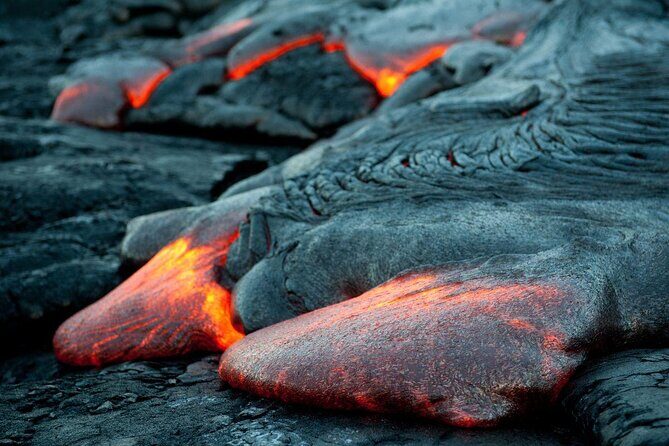
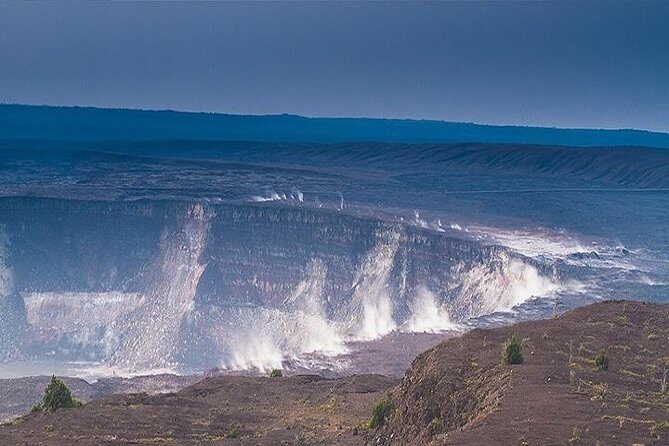
At Halemaʻumaʻu Crater, the goal is that otherworldly volcanic presence—often described as a glow from molten lava. If you’re visiting on a day with no visible activity, it can still be striking because the setting is intense even when the show looks muted.
Next is Kīlauea Iki Rainforest Lookout, where the view flips from raw crater energy to lush rainforest around a large crater. It’s a reminder that volcanic islands don’t stay “dead rock” forever—life climbs back.
You’ll also walk through the Thurston Lava Tube, a natural tunnel formed by flowing lava. This is the kind of place where your brain stops thinking in straight lines. You’re literally inside a structure made by earth forces.
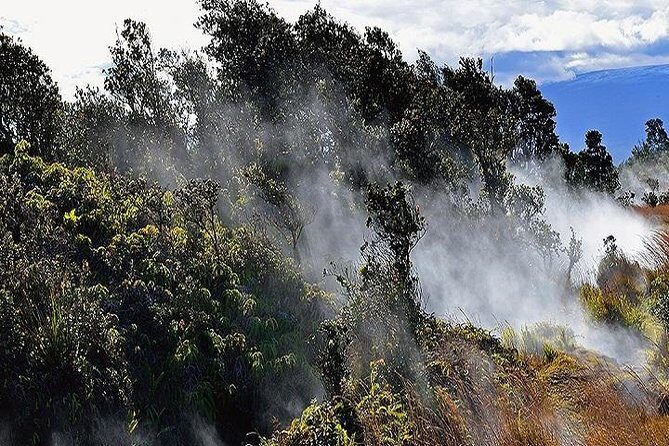
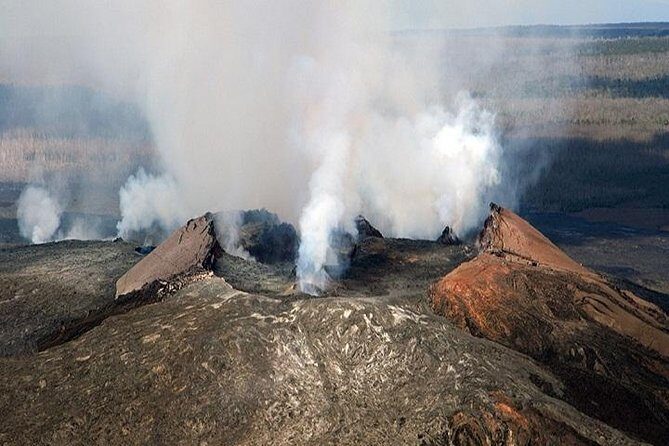
Finally, you may experience the park’s active steam vents, where heat rises from below. If you have asthma or respiratory issues, don’t ignore the tour’s caution about volcanic gases. Keep an eye on how you feel, and follow safety instructions exactly. Volcanic air is part of the reality here, not a souvenir.
Expect about 2 hours in the park, plus whatever time you need for parking, short walks, and viewing. That’s enough time to hit the major points without turning the day into a full hiking marathon.



Mauna Kea Access Road and the Kohala Coast: climate shifts on fast wheels
After Volcanoes, the route gets more variable. You head up the Mauna Kea Access Road (starting from the Saddle Road, Route 200), which is steep and winding and climbs through different climate zones. As you rise, the air gets thinner and temperatures drop—so even if Kona felt warm, you may find yourself pulling on layers.
This part isn’t a “summit hike” described in the info you have. It’s the drive itself that teaches you something: Hawaii changes fast with elevation. You’ll see a transition from grassy plains into barren volcanic terrain.
Then you move toward the Kohala Coast, known for scenic views, dry conditions, and luxury resort areas. It’s a contrast stop that helps break up the intensity of volcanism and rainforest. Think of it as a visual reset before you shift again toward cultural stops.
Hilo stops that feel different from the west side
Hilo gives you a different Hawaii than Kona. The tour includes time there to look at history and culture without pretending this is only a nature day.
You may see the Lyman Museum, which focuses on Hawaii’s natural and cultural history. You may also pass through or stop at the Hilo Historic District, where preserved early 20th-century buildings show what “old town” looked like on the island.
There’s also a Pacific Tsunami Museum, which is a sobering counterpoint to the volcanic power theme. It’s a reminder that water and earth disasters are both part of Hawaii’s story.
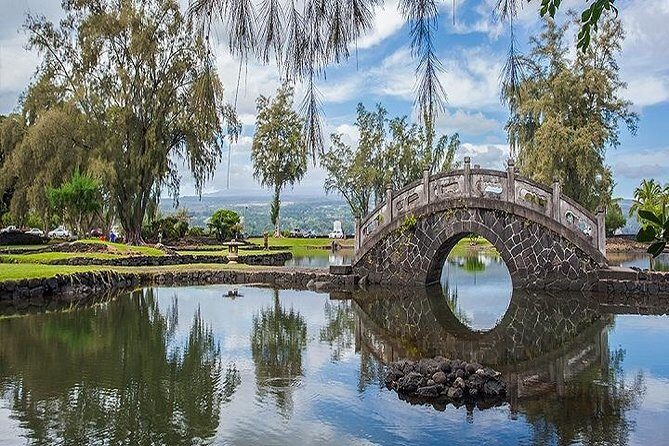
For a quiet pause, Liliuokalani Gardens honors Queen Liliuokalani. And if time allows, the route may include a visit near the Hilo Farmers Market, which is more about today than history—local food, local color.
This is the part that helps the day feel human, not just scenic.
Why the guided narration matters on a long day
On a route like this, the guide’s job is not just to drive. It’s to connect what you’re seeing into a single picture you can remember later.
Guides named in recent experiences include Mel, Henry, Brandon, and Jim—and the pattern is consistent: they share stories about nature, culture, and geology while keeping the group together. That combination matters because some stops are visually obvious, but the meaning takes context.
Also, small groups help. The tour’s maximum is 22 travelers, and multiple experiences mention the group size being small enough that boarding and getting off at stops is easier. If you hate crowd shuffle, this setup is a real advantage.
One more practical point: guides can sometimes adjust when conditions allow. One account mentioned plan flexibility to increase the chance of seeing lava. You’re still at the mercy of nature, but a flexible host helps.
What to pack: layers, shoes, water, and a respect for volcanic air
This day can be cool, wet, and uneven—sometimes all within a few hours. Even on Big Island, weather can change quickly, especially at higher elevations, so bring layers and a rain jacket. You’ll also want a hat for sun and a small umbrella if you run cold.
For footwear, skip flip-flops. The tour guidance is clear: wear closed-toe shoes built for uneven and potentially sharp volcanic terrain. You’ll walk at the nature trail and inside the park areas, and you don’t want sore feet by mid-afternoon.
Bring water and snacks, plus sunscreen. Park services can be limited, so don’t assume you can grab anything last minute once you’re inside the day’s rhythm.
Cell service can be weak or nonexistent in parts of the park. Download anything you need ahead of time (offline maps, saved directions).
Finally, respect is part of the deal. The park includes culturally significant sites for Native Hawaiians, and you should follow the rules—don’t disturb or remove anything. Use Leave No Trace habits like you mean it.
If you have respiratory issues, pay extra attention to the warning about volcanic gases like sulfur dioxide. This isn’t a reason to panic. It’s a reason to plan smart and listen to your body.
Price and value: $589.99 is high, but it includes the hard parts
At $589.99 per person, you’re paying for convenience and coverage. Here’s what’s included that usually costs money and time if you DIY:
- Roundtrip airfare from Honolulu to Kona (and back)
- Ground transport in an air-conditioned vehicle
- Hawaii Volcanoes National Park admission
- A local guide with narration throughout
So the price isn’t just “a van and a ticket.” It’s a structured way to visit the Big Island when you’re staying on Oahu and don’t want to repack, rent, and manage a day across two islands.
Where the price can feel less worth it is if you’re hoping for a guaranteed dramatic lava show every time. Volcanic activity varies. Even when you miss a particular eruption moment, the park still offers major features like lava tubes and steam vents that are powerful in their own right.
If you’re the type who wants to see multiple regions—coffee, black sand coast, a national park circuit, and Hilo history—this bundled format is often the most efficient way to do it in one day.
Should you book this Hawaii Volcanoes day trip from Oahu?
Book it if you want maximum Big Island value without spending your vacation on logistics. This is for you if you’re short on time on Oahu, want a guided route that hits the headline volcanic sights, and don’t mind a long day with a lot of driving.
I would not book it if you dislike schedules tied to flights. The day runs on inter-island timing, and delays can make the plan feel tight. Also skip it (or talk to your doctor first) if volcanic gases are a concern for your respiratory health.
If you’re flexible, pack smart, and come with layers and sturdy shoes, you’ll get a full day of real Hawaii contrasts: coffee farms, forest trail walking, black sand and turtles, craters and lava tube, plus a Hilo history layer that makes the whole story feel more complete.