REVIEW · HONOLULU
Hawaii Volcanoes National Park Experience from Oahu
Book on Viator →Operated by Aloha Sunshine Tours · Bookable on Viator
A day trip to a living volcano has a pull. This one strings together coffee country, a quiet rainforest walk, black-sand sea turtles, and Hawaii Volcanoes National Park in one efficient go. It’s built for people who want the Big Island hits without trying to drive the whole island themselves.
I especially like two things: you get a small, private-vehicle tour with guide narration (so you’re not just staring at scenery), and the schedule is packed with places that feel very different from one another—Kona slopes, Mauna Loa forests, then active volcanic ground at Kīlauea. One thing to plan for: it’s a long, weather-sensitive day, and higher elevations can get cold and wet fast.
In This Review
- Key takeaways before you go
- One-day Big Island from Oahu: what you’re really buying
- How the private-vehicle setup changes the day
- Greenwell Farms: coffee on volcanic soil
- Manuka State Wayside Park: a short trail break from the car
- Punaluʻu Bake Shop: lunch with real local flavors
- Punaluʻu Black Sand Beach: turtles and volcanic drama
- Hawaii Volcanoes National Park: Kīlauea’s top stops in a tight schedule
- The cold, the gases, and the no-cell reality
- Mauna Kea access road, then Kohala Coast views
- Hilo stops: history, museums, gardens, and local life
- Flights and timing: why a 8–10 hour day can feel longer
- Packing and comfort checklist (so you enjoy every stop)
- Is the $589.99 price worth it?
- Should you book this Hawaii Volcanoes day trip from Oahu?
- FAQ
- How long is the tour?
- What’s included in the price?
- What isn’t included?
- Where do I meet the group?
- What time does the tour start?
- Is the tour private or small group?
- What should I wear or bring?
- Is the black sand beach safe for swimming?
- Are there any health or safety concerns?
- What’s the cancellation window?
- Are car seats or service animals allowed?
Key takeaways before you go
- Small group feel: maximum of 22 travelers, in an air-conditioned vehicle with local guiding.
- Big Island variety in one day: coffee at Greenwell Farms, nature trail time at Manuka State Wayside Park, then volcanic sights.
- Volcanoes National Park without guesswork: visitor center orientation plus multiple Kīlauea-related stops.
- Punaluʻu is a highlight: black sand beach views and very possible green sea turtle sightings.
- Bring your own snacks plan: meals are on your own, and I’d rather be over-prepared than hungry on a long drive.
One-day Big Island from Oahu: what you’re really buying
This tour is designed for a specific type of traveler: you’re on Oahu, you want to see the Big Island’s most famous geothermal and volcanic sights, and you don’t want to wrestle with timing, driving, and parking on unfamiliar roads.
At $589.99 per person, the headline is that the price includes the biggest cost drivers for an inter-island day: round-trip airfare from Honolulu to Kona and back, plus Hawaii Volcanoes National Park admission. Then the tour adds a private-vehicle style route and a local guide who connects the dots—why the soils are the way they are, why certain places are covered in black rock, and what you’re looking at when the ground is still active.
The real value isn’t one single stop. It’s the “you won’t miss the essentials” approach. You get a full day that moves from Kona’s coffee district to the volcano area, then out toward Mauna Kea access routes and the Kohala/Hilo side.
You can also read our reviews of more tours and experiences in Honolulu.


How the private-vehicle setup changes the day
You’re not doing this as a free-for-all bus tour. The vehicle is air-conditioned, and the cap of 22 travelers keeps the energy manageable. That matters on a day with a lot of transitions—short walks, viewpoints, and several “get back in the car, next stop” segments.
The guide is the main difference-maker. In the feedback, guides like Mel and Henry stood out for the way they explained the science and the culture—volcanoes as more than a backdrop. That kind of narration helps you notice details you’d otherwise overlook, like what makes lava tubes possible, what steam vents actually mean, and why Kīlauea’s features look the way they do.
One practical note: the day can feel lecture-heavy if you’re the type who likes silence and slow sipping. The upside is that the time is structured. The downside is you should expect your guide to keep talking through much of the drive.
Greenwell Farms: coffee on volcanic soil
Your day starts with Greenwell Farms in Kona, established in 1850. This is one of Hawaii’s oldest coffee operations, and it’s tied directly to the story of Kona coffee becoming famous worldwide.
Why this stop is worth your time: the location tells you the “how” of coffee here. The Kona slopes are shaped by volcanic soils, bright mornings, afternoon cloud cover, and consistent rainfall patterns. That combination is what supports the kind of coffee flavor people associate with the region.
It’s also a good “warm-up” stop before the volcano-heavy portion of the day. Even if coffee isn’t your passion, you’ll likely come away with a better sense of how the Big Island’s geology shows up in everyday food, not just dramatic craters.
Manuka State Wayside Park: a short trail break from the car
Next comes Manuka State Wayside Park, a 13-acre pocket along Highway 11 on Mauna Loa’s slopes. You’re looking at a 2-mile Manuka Nature Trail that blends wet and dry forest ecosystems. It’s a quieter stop than the headline attractions, but that’s the point.
What makes it meaningful is variety. You’ll see native plants and wildlife, and the interpretive signs help you connect the ecology to the geology. You might even spot birds that are endemic to Hawaii, like a Hawaiian hawk or honeycreeper (no guarantees, but it’s the right habitat).
This is also where you can manage the rhythm of the day. When you’re moving toward Kīlauea, you’ll appreciate having a calmer break that’s still outdoors.
Punaluʻu Bake Shop: lunch with real local flavors
You’ll stop at Punaluʻu Bake Shop in Naʻālehu, known for being the southernmost bakery in the U.S. It’s famous for traditional Hawaiian sweet breads—often in flavors like taro, guava, and mango.
This is where you should treat the day like a food-and-fuel plan. The tour includes time here, and it’s also the lunch stop. Meals are listed as at your own expense, so you’re choosing what fits your hunger and budget. The good news: you can grab lunch options such as sourdough sandwiches, Kalbi beef, or plate-lunch styles, plus baked goods.
One thing to watch: this place gets busy. In the feedback, there were mentions of it being overloaded and lunch not landing the way some people hoped. My advice is simple: don’t count on a fast, quiet sit-down. Plan for a quick purchase-and-go style meal, and carry a little snack just in case lines and timing stretch.


Punaluʻu Black Sand Beach: turtles and volcanic drama
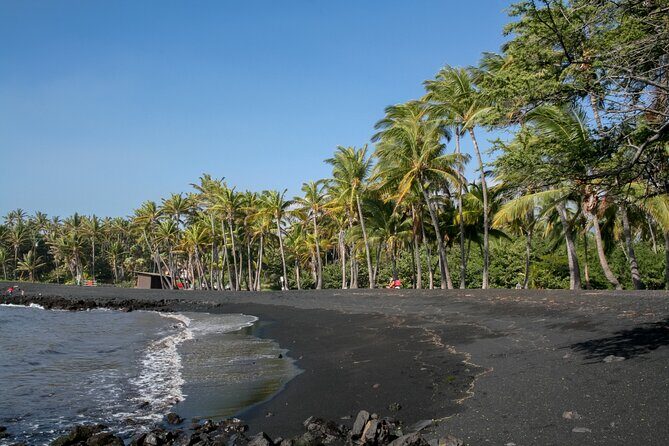
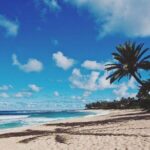
Then it’s Punaluʻu Black Sand Beach, one of the Big Island’s most photogenic stops. The black sand comes from volcanic basalt, and the setting is framed by coconut palms and the open Pacific.
This is also a wildlife stop. Green sea turtles are often seen basking on shore here. Again, no guarantee, but the beach is known for it—and when you spot them, it feels like you’ve added a living layer to the volcano story.
A practical caution: the water can be rough, so it’s not the place for swimming plans. Treat it as a viewing and photo stop. The value is seeing how the volcanic landscape creates a coast that supports wildlife.
Hawaii Volcanoes National Park: Kīlauea’s top stops in a tight schedule
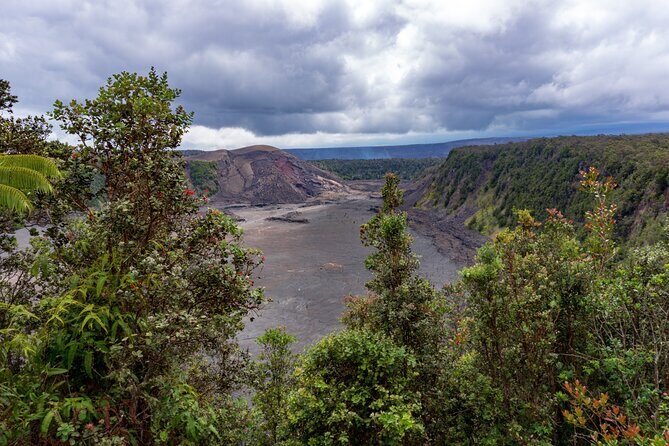
This is the main event: Hawaii Volcanoes National Park with multiple classic Kīlauea-related viewpoints and walks. The day starts with the visitor center, where you get a grounding in the park’s geology and history—useful because the landscape can feel confusing if you’re not sure what you’re looking at.
From there, the itinerary focuses on “different faces” of volcanic activity:
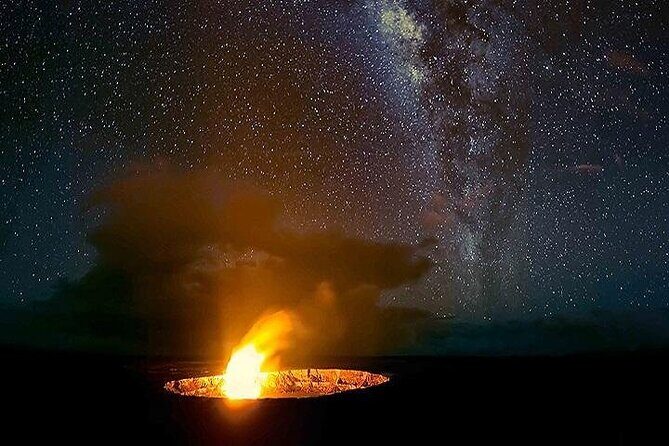
- Halemaʻumaʻu Crater: this is where you may see the glow of molten lava when conditions allow. Even when lava isn’t visible, the crater area helps you understand why this place keeps drawing world attention.
- Kīlauea Iki Rainforest Lookout: a visual contrast. You’re looking at rainforest around a massive crater, with a trail connected to remnants of a past eruption. It helps you grasp the island’s time scale—nature quickly moves in, then the earth shifts again.
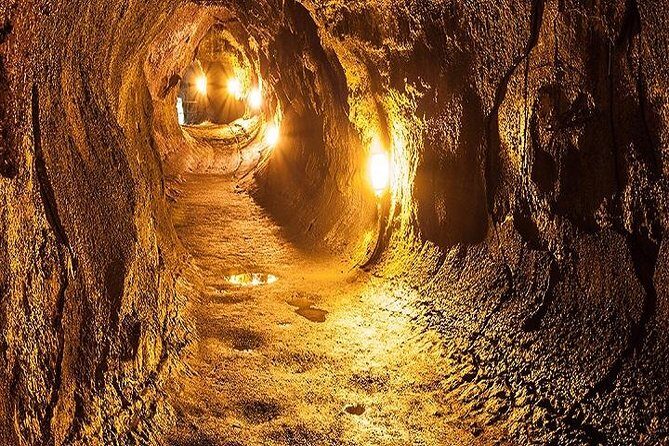
- Thurston Lava Tube: a short walk through a natural tunnel formed by flowing lava. This is one of those “wow, that’s physics made physical” moments that sticks with people.
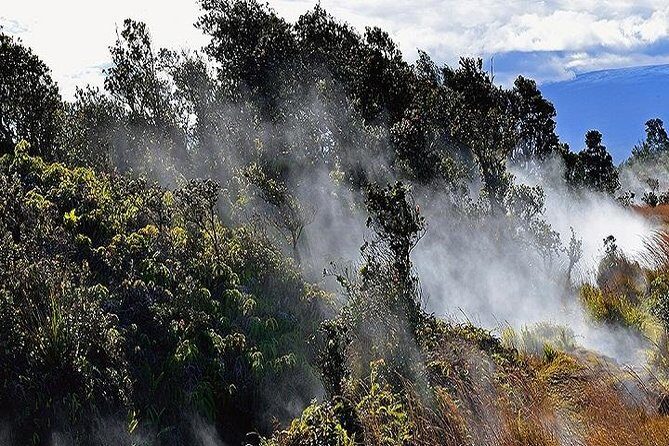
- Active steam vents: you get a feel for the geothermal energy under your feet. Even a quick stop here can change how you picture Hawaii’s interior forces.
For anyone deciding whether to do the park as a DIY drive versus a guided day: the guided approach helps because it’s hard to know what matters most when you only have a few hours. This route keeps the story coherent.
The cold, the gases, and the no-cell reality
This tour is built around an active volcanic region, and that means you should prep like a local guide would expect. Weather changes quickly, especially higher up, so bring layers and a rain jacket. It can be cool and damp even when you’re sweating earlier in the day.
Also pay attention to the safety notes about volcanic gases, like sulfur dioxide. If you have asthma or other respiratory sensitivities, this is the part to take seriously. The advice is to follow park guidelines and stay on marked trails.
Two more practical realities:
- Sturdy, closed-toe shoes matter. You’ll walk on uneven ground and volcanic surfaces, and flip-flops aren’t your friend.
- Cell service can be limited. Download maps or guides in advance. Don’t plan on relying on signal when you’re deep in the park.
And yes, bring water and sunscreen. The park can have limited services, and you’ll feel better if you’re not buying everything on the fly.
Mauna Kea access road, then Kohala Coast views
After the volcano core, the day keeps changing pace. The Mauna Kea Access Road is a steep, winding route that climbs from Saddle Road (Route 200) through different climate zones. As you go higher, the air gets thinner and temperatures drop.
Even if you’re not doing a summit visit (nothing specific is guaranteed here), the drive itself is an education in how fast conditions change on the Big Island.
Then you head toward the Kohala Coast, known for scenic views and drier conditions compared to other areas of the island. It’s a nice contrast to the wetter, steamier feeling around the volcano area, and it gives you more classic coastline scenery time.
Hilo stops: history, museums, gardens, and local life
The tour also includes time around Hilo, which offers culture and context after the raw volcano sights. The included stops you might cover include the Lyman Museum, the Hilo Historic District, and the Pacific Tsunami Museum. There’s also Liliuokalani Gardens, a calm place that connects you to Queen Liliuokalani.
If you like seeing modern Hawaii too, there’s an option to experience the Hilo Farmers Market vibe. It’s not “ancient history,” but it shows you what daily life looks like here—food, crafts, and local shopping energy.
This section is helpful because it keeps the day from feeling like a single long nature photo shoot. You get a more rounded sense of how people live with Hawaii’s power and history.
Flights and timing: why a 8–10 hour day can feel longer
The stated duration is 8 to 10 hours, but inter-island days often feel longer because you’re switching airports, moving between flight time and ground time, and fitting multiple short stops into one block.
Your tour start point is Kona International Airport (73-200 Kupipi St, Kailua-Kona). Pickup details say to meet at the lot behind Alaska Baggage claim B-2.
One of the less-fun realities: if flights or airport operations get disrupted, the day can spiral. There was at least one unhappy case where a runway issue impacted flight acceptance and communication. You can’t control that, but it’s a reminder to build your schedule with margin if your overall trip is tight.
Packing and comfort checklist (so you enjoy every stop)
I’d pack with these stops in mind:
- Rain jacket + layers for volcano and higher elevations
- Sturdy closed-toe shoes for uneven, volcanic terrain
- Water and snacks since meals are on your own and park services can be limited
- Sunscreen + hat (coffee farm and beaches can hit hard)
- Cash if you want to buy extras at roadside stands or food trucks (some places may be cash-only)
- If you have respiratory issues, bring your meds and follow safety guidance closely
Also: if you’re prone to motion sickness, the long drives and turns can be a factor. The drive is part of the value—just plan ahead.
Is the $589.99 price worth it?
For this specific kind of day trip, the number looks big until you break it down. You’re getting:
- Round-trip airfare between Honolulu and Kona
- Air-conditioned transport
- A guided route built around the key volcanic and cultural stops
- Volcanoes National Park admission included
When that’s your goal—see the Big Island’s best-known geology without DIY driving—the cost starts to make sense. You’re paying for time, coordination, and interpretation.
Where you should be realistic: you’re not buying a slow, multi-day island vacation. You’re buying an efficient day with a lot of movement. So if you hate early mornings, cold stops, or you prefer deep focus at fewer places, this may feel rushed.
Should you book this Hawaii Volcanoes day trip from Oahu?
Book it if:
- You want the Big Island’s most famous volcano sites and you only have a day
- You like explanations that connect geology and Hawaiian culture
- You prefer organized driving over doing the math on your own
- You want a shot at seeing sea turtles at Punaluʻu and volcanic activity at Kīlauea (when conditions cooperate)
Skip it (or at least think twice) if:
- You’re very sensitive to cold, wind, or rain at higher elevations
- You have respiratory concerns related to volcanic gases
- You dislike long days with lots of van time and continuous narration
- You strongly need frequent cell service (it can be limited)
If you fit the first group, this is one of the more practical ways to do Volcanoes National Park from Oahu without turning your trip into a logistics project.
FAQ
How long is the tour?
It runs about 8 to 10 hours.
What’s included in the price?
The price includes round-trip airfare between Honolulu and Kona International Airport, air-conditioned vehicle transport, Hawaii Volcanoes National Park admission, and local guide narration.
What isn’t included?
Meals are at your own expense, and transportation to the Honolulu Airport is not included.
Where do I meet the group?
You meet at Kona International Airport, at the lot behind Alaska Baggage claim B-2.
What time does the tour start?
The start time listed is 8:00 am.
Is the tour private or small group?
It’s described as a private tour experience, and the maximum group size is 22 travelers.
What should I wear or bring?
Bring layers and a rain jacket (weather changes quickly), sturdy closed-toe shoes, and water plus basics like sunscreen and a hat. Services in the park are limited.
Is the black sand beach safe for swimming?
The beach area notes that the water can be rough, so it’s best treated as a viewing stop rather than a swimming plan.
Are there any health or safety concerns?
Yes. The park can have volcanic gases that may be harmful, especially for people with respiratory issues. Follow safety guidelines and stay on marked trails.
What’s the cancellation window?
You can cancel up to 24 hours in advance for a full refund.
Are car seats or service animals allowed?
Service animals are allowed, and car seats are available for children ages 4 years and under.