
REVIEW · HONOLULU
Honolulu: Liljestrand House Architectural Tour
Book on GetYourGuide →Operated by Liljestrand Foundation · Bookable on GetYourGuide
A house that plans your views. The Liljestrand House tour in Honolulu is a fast, focused way to understand Hawaiian modern architecture, especially the ideas of architect Vladimir Ossipoff. You’ll see a mid-century home that’s been preserved and explained in plain, human terms, with the Liljestrand family story tied right into the design.
I especially like how the tour points out design choices you can actually spot, like how Ossipoff handled sightlines and used natural materials. And I also like the feeling of stepping into a real preserved space, with original furnishings and artworks helping the story stay grounded instead of turning into theory.
One consideration: the house isn’t air-conditioned, so summer and fall heat can be real. Add the shoe rule (you’ll remove your shoes on fragile wood floors) and you’ll want to dress smart.
In This Review
- Key points you’ll care about
- What makes the Liljestrand House such a strong architecture stop
- Inside the home: what the guide will help you notice
- View management: the “invisible design” skill
- Natural materials: why they matter beyond aesthetics
- The Liljestrand family story: why people love this tour
- The pacing and group size: what 90 minutes feels like
- Practical stuff you’ll want to plan for
- No shoes on fragile wood floors
- Heat inside the house
- Things you can’t bring
- Smoking and vaping are not allowed
- Who this tour suits best (and who should skip it)
- You’ll probably love it if you like
- You might want to choose something else if…
- Value for the price: is $78 worth it?
- Should you book the Liljestrand House architectural tour?
- FAQ
- How long is the Liljestrand House Architectural Tour?
- What is the group size for this tour?
- Is the Liljestrand House air-conditioned?
- Do I need to remove my shoes?
- What’s included with the ticket price?
- Is the tour available in English?
- Is this tour suitable for children?
- Can I get a full refund if I cancel?
Key points you’ll care about
- Vladimir Ossipoff’s view management: You’ll learn how the design directs where your eyes go.
- Mid-century preservation you can see: Original furnishings and artworks help you picture daily life.
- Natural materials, not just a style label: The tour connects materials to comfort and feel.
- Small group size: Limited to 10 participants for a more conversational pace.
- Shoe-off on fragile wood floors: Plan to go barefoot or with socks you like wearing.
- English live guide: Tour is led by a live guide, with English instruction.
What makes the Liljestrand House such a strong architecture stop
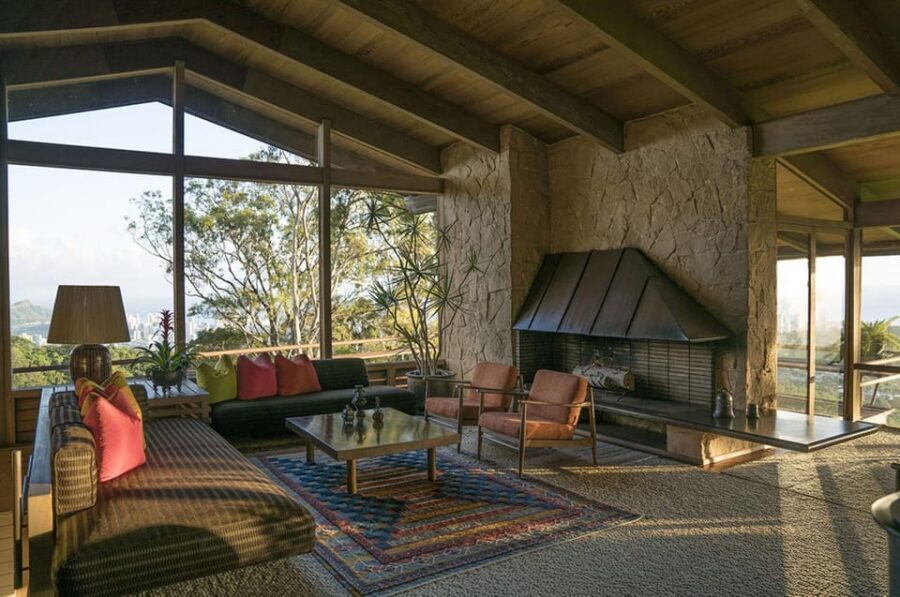
Honolulu can be a lot of things in a day, but the Liljestrand House is the kind of experience that gives your brain a clear “why.” This isn’t a museum-style walkthrough where everything is behind glass. It’s a preserved mid-century home that uses architecture as a daily tool: shaping light, planning movement, and framing outdoor views in a way that feels intentional instead of accidental.
The big name here is Vladimir Ossipoff, and you’ll hear his design principles explained in a way that’s meant to be understood, not memorized. One of the most valuable parts is that the tour doesn’t treat architecture as decoration. It treats it like a system, where small choices affect how the house feels.
If you like Hawaiian modern architecture, this is a good “read the room” experience. You’ll start noticing things you’d otherwise miss—like how sightlines work, how materials age, and how design decisions connect to daily living.
You can also read our reviews of more tours and experiences in Honolulu.



Inside the home: what the guide will help you notice
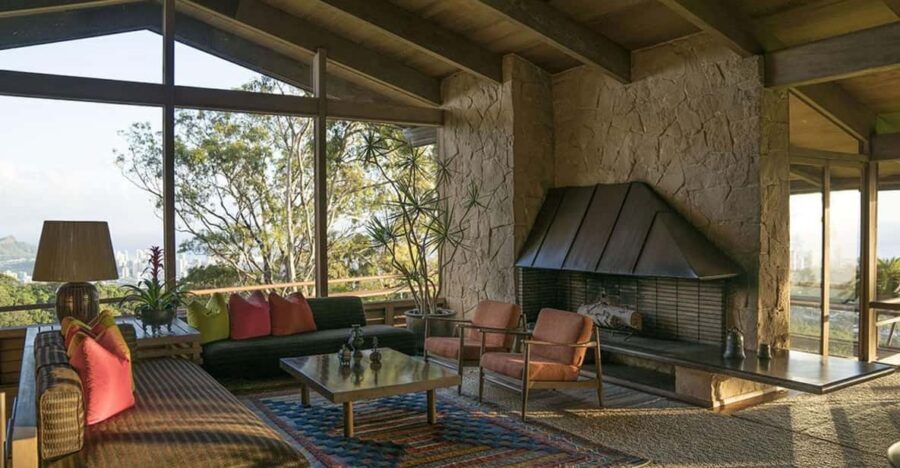
The core of the tour is your walk through the preserved Liljestrand House with a live guide. You’re not just looking at walls; you’re being coached into seeing how the house behaves.
Expect the guide to connect a few threads at once:
- Design principles that shaped the home
- Stories about the Liljestrand family
- How Ossipoff’s approach showed up in real details
Because the house has been preserved, you get the advantage of seeing the design in context. The tour’s focus on original furnishings and artworks matters. It keeps the explanation from turning abstract. You can stand in a spot, see what’s arranged where, and understand why it might have been planned that way.
View management: the “invisible design” skill
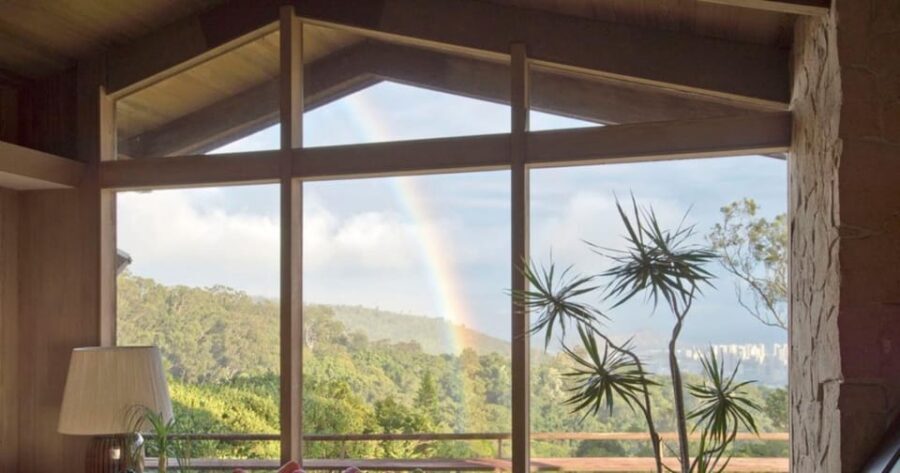
One of the standout themes is Ossipoff’s masterful view management. Even if you don’t care about architecture as a hobby, this is one of those concepts that clicks fast once it’s pointed out.
Here’s why it’s worth your time: view framing changes the experience of every room. It affects privacy, how light enters, and even how you navigate space without thinking. When a guide shows you the sightline logic, you’ll start spotting similar patterns in other places you visit afterward.
Natural materials: why they matter beyond aesthetics
The tour also emphasizes how natural materials were integrated into the design. That matters because materials influence more than how something looks in photos. Wood, finishes, and the way surfaces age all affect the feel of the space. You’ll be able to connect the design choices to the lived-in reality of a home designed for Hawai‘i conditions.
The Liljestrand family story: why people love this tour
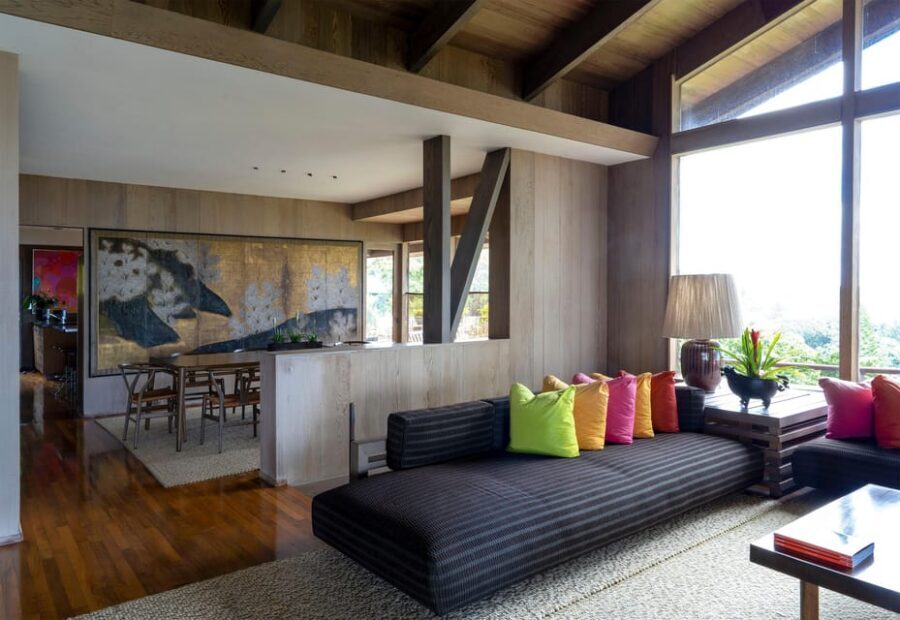
An architecture tour can fail if it becomes a lecture. This one tries to avoid that by grounding the design in people.
You’ll get an intimate look at the lives of the Liljestrand family and their enduring friendship with Ossipoff. That personal connection turns the design into something more human. Instead of asking, Who designed this? you’re also asking, How did people live with it?
That’s one of the reasons the experience has earned strong marks from visitors. The guides tend to make the house feel understandable rather than intimidating. In at least one tour, the guide was Perry, and his insight—shaped by having known Ossipoff—was specifically called out as a highlight. Even if your guide isn’t the same person, the intent is consistent: design gets explained through lived context.



The pacing and group size: what 90 minutes feels like
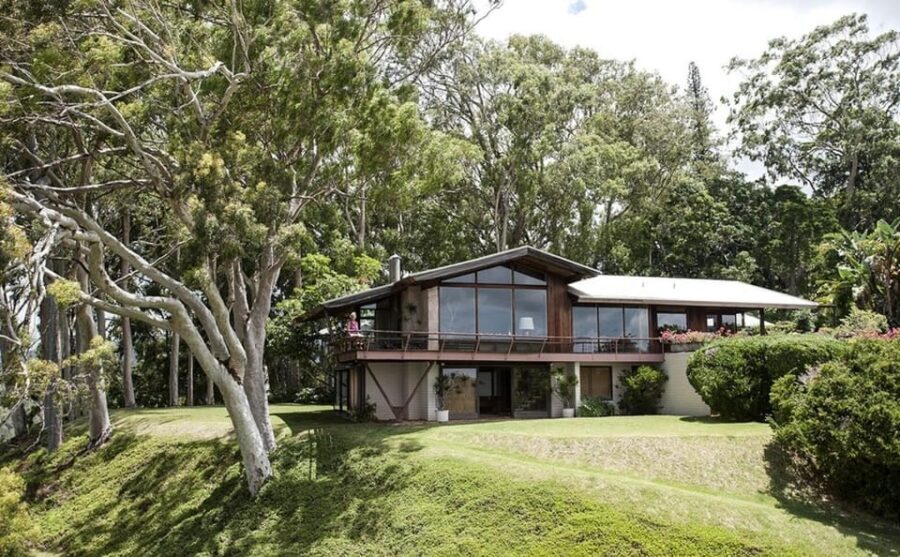
The tour lasts 90 minutes and runs with a small group limited to 10 participants. That size matters more than you might think.
- In a big group, you lose the chance to ask a question when something clicks.
- Here, the guide has room to slow down when you want more detail.
This is the kind of tour where you might notice you’re taking fewer photos and paying more attention to what the guide is pointing out. It’s not a marathon, and it’s not rushed to the point where you can’t connect the dots.
Practical stuff you’ll want to plan for
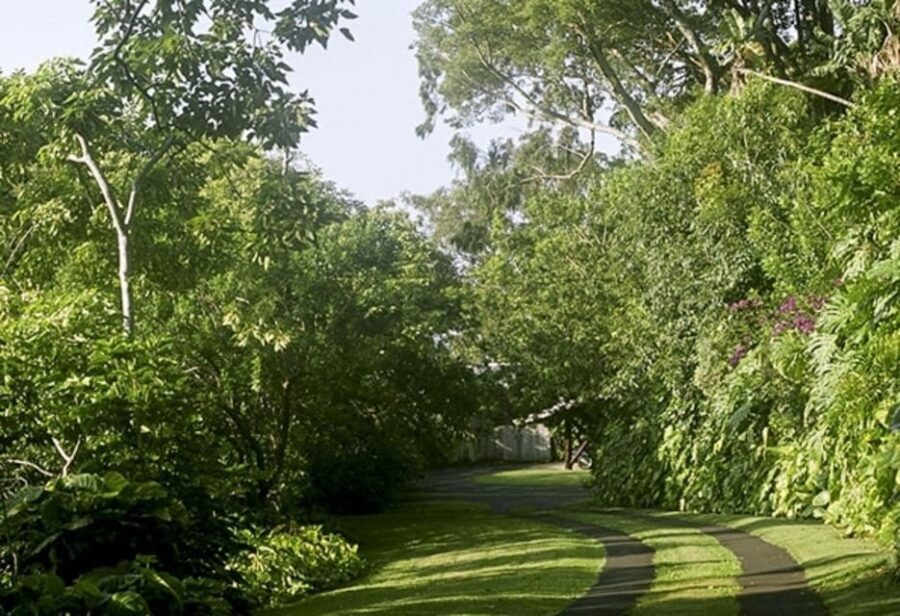
Let’s keep it real: a great architecture experience can still be uncomfortable if you ignore the physical details.
No shoes on fragile wood floors
Because the wood floors are fragile, you’ll be asked to remove your shoes. This is easy, but it’s smart to think ahead:
- Wear socks you’re comfortable spending 90 minutes in
- Skip anything that’s miserable if it’s slightly damp
- If you’re prone to cold feet, consider bringing thicker socks
It’s a small rule, but it directly shapes how the tour feels—quiet, respectful, and careful.
Heat inside the house
The house is not air-conditioned, and it can get hot in summer and fall months. If you’re visiting in the hotter stretch of the year, plan your clothing accordingly. Light layers help. Also, treat it like a warm walk, not like a cool indoor break.
This heat note doesn’t ruin the tour for most people, but it’s the kind of factor that can change your comfort level. Arrive ready to be warm, not surprised by it.
Things you can’t bring
To keep the house protected and the experience calm, you should expect restrictions. Pets aren’t permitted, and backpacks and large bags are not allowed. Tripods, extension poles, and selfie-sticks are also not permitted.
If you’re someone who likes filming everything, this may be a small adjustment. A simple camera or phone should be fine, but the guiding idea is clear: keep the space moving and safe for other people and the floors.
Smoking and vaping are not allowed
Smoking and vaping are prohibited. It’s a normal rule, but it’s still worth noting since it keeps the house comfortable for everyone indoors.
Who this tour suits best (and who should skip it)
You’ll probably love it if you like
- Hawaiian modern architecture or mid-century design
- Seeing how design decisions affect real daily living
- A guided experience that explains details you can notice yourself
- A small-group pace rather than a crowded van tour
You might want to choose something else if…
- You don’t do well with indoor heat, since the house isn’t air-conditioned
- You’re not comfortable removing shoes for an extended visit
- You’re traveling with children under 10, since the tour is not suitable for that age group
This also works well as a calmer, culture-focused afternoon when you want something more thoughtful than sightseeing-for-photos.
Value for the price: is $78 worth it?
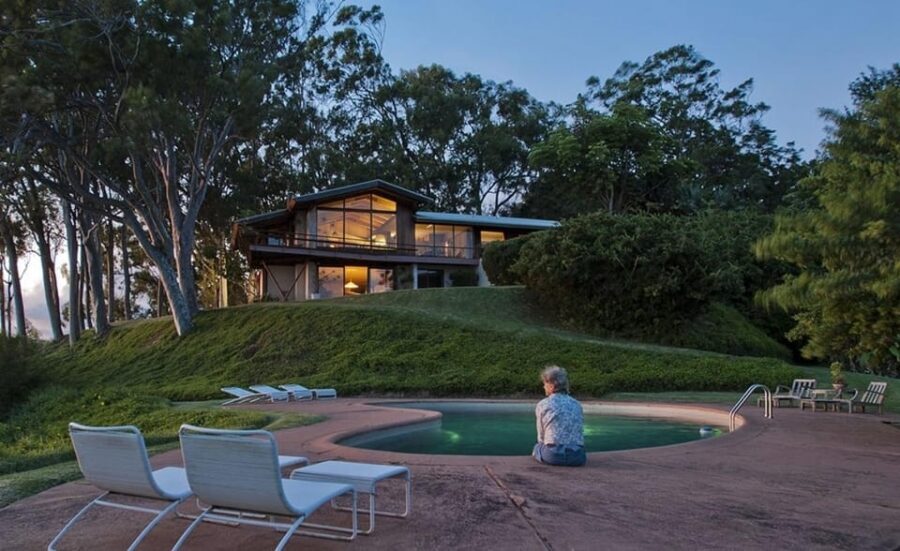
At $78 per person for a 90-minute guided experience with a small group (max 10), the value is strongest if you care about the “how” and “why” behind architecture.
Here’s the honest math of it:
- You’re paying for access to a preserved home plus a live guide who can point out design logic.
- The time isn’t long, so you’re not stuck for hours.
- The small group size is a real quality boost for questions and attention.
If you just want a quick look, you might find it pricey. But if you’re the kind of traveler who wants your architecture stops to make sense, the price is reasonable for what you get.
Should you book the Liljestrand House architectural tour?
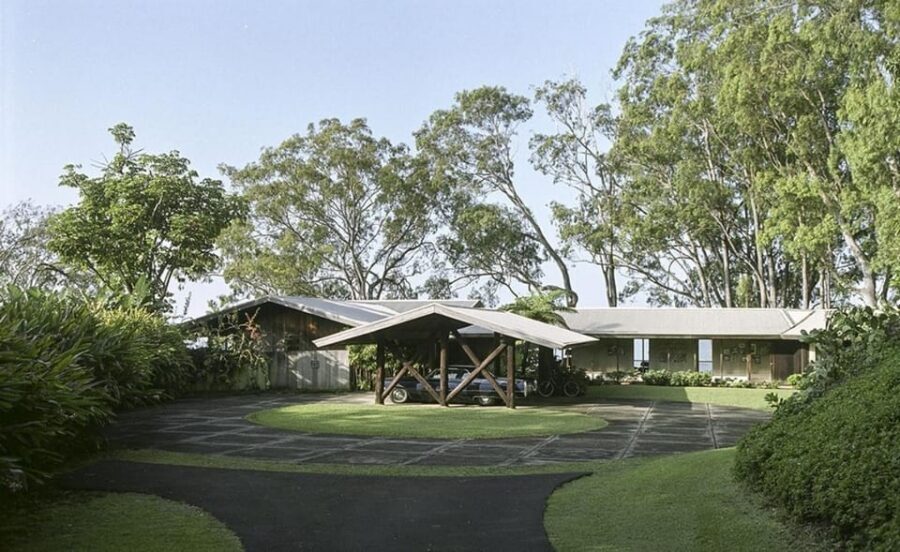
If you’re in Honolulu and you want one experience that teaches you how to see—rather than one that just checks a landmark box—this is a strong choice. The tour’s emphasis on Ossipoff’s view management, the preserved mid-century setting, and the storytelling about the Liljestrand family make it feel more than decorative.
Book it if you can handle a warm, indoor visit and you’re okay removing your shoes. Skip it if heat inside, shoe-off rules, or restrictions on items would stress you out.
When it’s a good fit, it’s the kind of tour that leaves you with a new habit: you’ll start noticing sightlines, materials, and spatial logic everywhere you go.
FAQ
How long is the Liljestrand House Architectural Tour?
The tour lasts 90 minutes.
What is the group size for this tour?
It is a small group limited to 10 participants.
Is the Liljestrand House air-conditioned?
No. The house is not air-conditioned and can be quite hot during summer and fall months.
Do I need to remove my shoes?
Yes. Because the wood floors are fragile, guests are asked to remove their shoes.
What’s included with the ticket price?
Your ticket includes entrance to the Liljestrand House and a tour guide.
Is the tour available in English?
Yes. The live tour guide speaks English.
Is this tour suitable for children?
No. It is not suitable for children under 10 years.
Can I get a full refund if I cancel?
Yes. Free cancellation is available up to 3 days in advance for a full refund.