REVIEW · HONOLULU
Oahu to Big Island Volcanoes National Park Adventure Tour
Book on GetYourGuide →Operated by Dynamic Tour USA · Bookable on GetYourGuide
Big Island feels like another planet in one day. You’ll get Hawaii Volcanoes National Park plus the jaw-dropper Kīlauea Iki Crater, and the pace is built for maximum wow without waiting around. I really like how the day mixes lava-world stops with classic Hilo highlights, so you don’t just stare at rocks all day.
The main drawback is timing. This is an Oahu-to-Big-Island day built around flights, and if you’re hoping for super-flexible schedules, you’ll want to stay on top of check-in and boarding times.
Key places to focus on
- Volcanoes National Park admission included, including the Visitor Center and core caldera sights
- Kīlauea Iki Crater time at the most active-style crater stop on the route
- Ancient lava tube experience for a change of pace from open-air viewpoints
- Historic Banyan Tree Drive walk/drive through named trees from famous planters
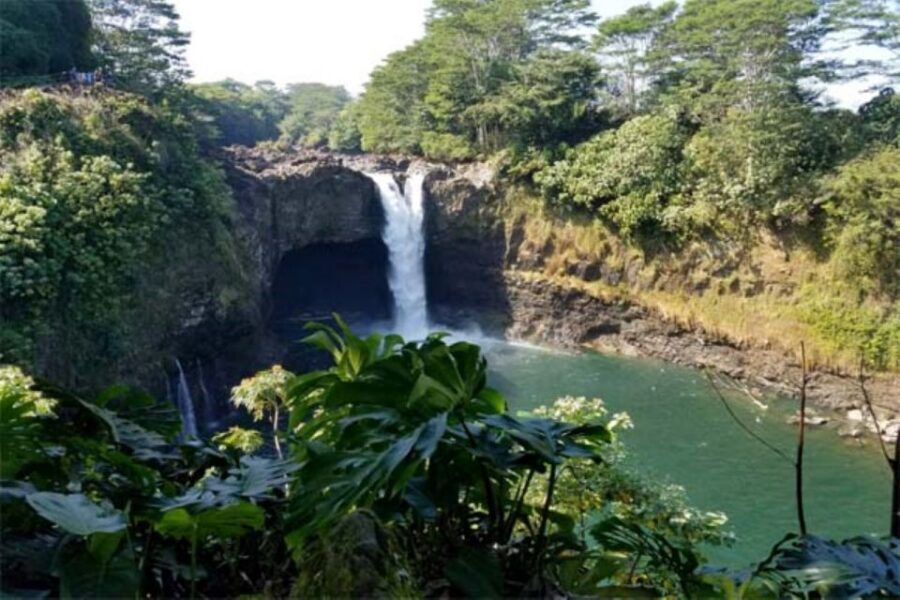
- Rainbow Falls area for that constant mist-and-rainbow effect when conditions cooperate
In This Review
- How a One-Day Oahu-to-Big-Island Volcano Day Actually Feels
- Flights and Airport Timing: The Part That Can Make or Break Your Day
- First Hit on Big Island: Hilo Stops That Set the Mood
- Richardson Black Sand Beach
- Historic Banyan Tree Drive
- Liliuokalani Gardens
- Rainbow Falls and Hilo Bay
- Wailuku River State Park: A Water Story Moment
- Hawaii Volcanoes National Park: Visitor Center and the First Lava Clue
- Steam Vents and Sulfur Banks: Where the Ground Shows Its Mood
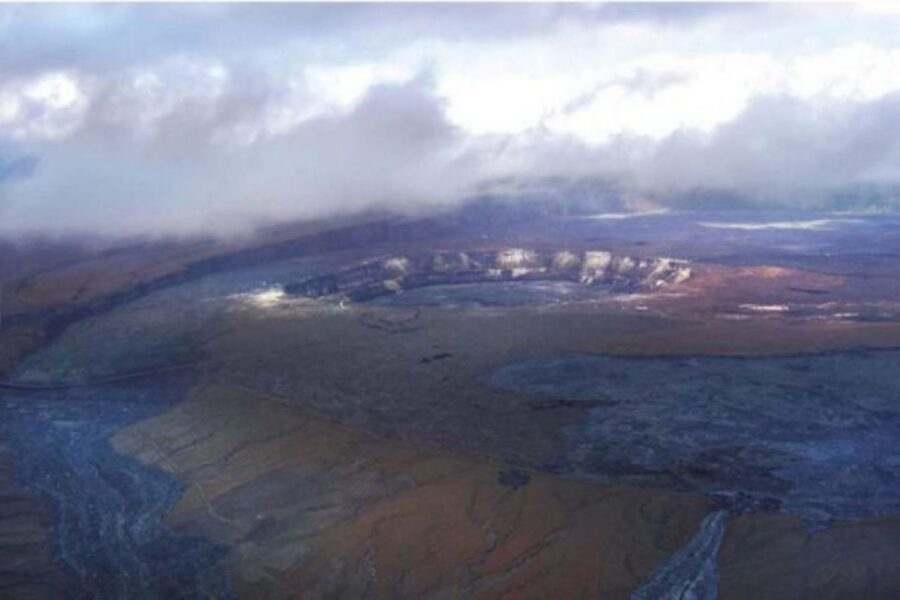
- Kīlauea Iki Crater: The Big Moment (and How to Make It Count)
- Chain of Craters Road and Mount Kīlauea: Finishing With Scale
- Price and Value: Is $579 Worth It for One Day?
- Who This Tour Fits (and Who Should Rethink It)
- Should You Book This Oahu to Big Island Volcanoes Adventure?
- FAQ
- FAQ
- How long is the Oahu to Big Island Volcanoes National Park adventure tour?
- What’s included in the price?
- Is lunch included?
- Where does the tour start?
- Do I need to check in for my flight?
- What time should I plan to board?
- What ID or documents do I need?
- What language is the tour guide?
- Is the tour suitable for people with mobility impairments?
- Is there cancellation protection?
How a One-Day Oahu-to-Big-Island Volcano Day Actually Feels
The best part of this kind of trip is the trade-off: you give up slow travel, but you gain a full day on Big Island’s volcanic heart without losing your entire vacation to transit. The day is designed as a tight loop that pairs Hilo scenery with the biggest geology hits inside Hawaii Volcanoes National Park.
I also like that the route doesn’t just do one thing. You’ll see black sand, a signature waterfall rainbow, then head into the caldera where steam and sulfur change the air. If you’ve got only one day on the Big Island, this is the type of plan that makes your time count.
Do note the pace can feel full. This is not a “linger and wander” itinerary. It’s more of a guided, stop-to-stop day where your job is to show up, listen, and be ready for short walks and photo moments.
Flights and Airport Timing: The Part That Can Make or Break Your Day
This tour starts from Daniel K. Inouye Airport, and you’ll be flying round trip between Oahu and Big Island. That means your whole schedule depends on flight timing, which is why you’ll want to treat airport prep like a serious outing, not a casual errand.
A few practical points to help you avoid the most common headaches:
- Boarding starts 30 minutes before departure, and doors close 15 minutes before departure.
- You’re expected to handle your own check-in for boarding passes at the airline counter.
- You need to bring the right ID (passport or US ID, depending on citizenship).
One real-world lesson from the past: there have been cases where people expected a pickup they didn’t get, leading to stress when they had to drive themselves to the airport. So even if your hotel or resort is nearby, don’t plan on being met unless the details you receive clearly say so.
You can also read our reviews of more tours and experiences in Honolulu.



First Hit on Big Island: Hilo Stops That Set the Mood
Most volcano days start in a desert of waiting and parking. This one begins with Hilo area highlights that help you understand the island as a whole, not just the crater.
Richardson Black Sand Beach
You’ll stop at Richardson Black sand Beach, described as the only black sand beach in the Hilo area. That matters because it’s not just a beach stop—it’s a reminder that the island’s geology shows up in everyday places. Black sand also tends to look dramatic in different light, which is great if you like photos that don’t look like standard postcards.
Historic Banyan Tree Drive
Next is the Historic Banyan Drive, famous for trees named after notable people who planted them. The names given include President Theodore Roosevelt, Babe Ruth, and Richard Nixon. Even if you’re not the type to read every plaque, the practical value is that this drive is one of the easiest ways to walk into the idea of “living landmarks.” The banyans grow into broad canopies, so you often get cooler shade and a calmer pace for short strolls.
Liliuokalani Gardens
You’ll also visit Liliuokalani Gardens, given by Queen Liliʻuokalani and located southeast of downtown Hilo on the Waiakea Peninsula in Hilo Bay. This stop is useful because it breaks the day into something reflective before you head into steam vents and sulfur banks. It’s not just pretty scenery—it’s a change in rhythm.



Rainbow Falls and Hilo Bay
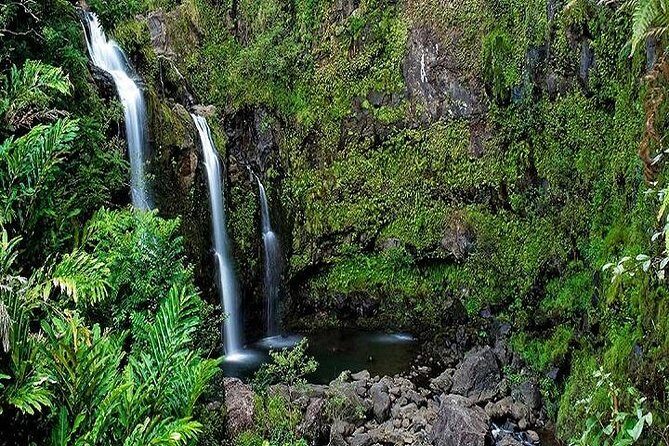
Then comes Rainbow Falls State Park, billed as a waterfall with a never-ending rainbow, plus the Hilo Bay area. Even if rainbows don’t form on every minute of every day, the stop itself is still the point: you’re seeing how water shape and mist create a constant atmospheric effect here.
If you like places where nature sets the soundtrack—birds, wind off the water, spray in the air—these stops do that job well before the volcanic zone.
Wailuku River State Park: A Water Story Moment
Another stop on the route is Wailuku River State Park, linked to the tale of Hina. The practical takeaway is that this portion helps you connect geography with local storytelling, without turning the day into a lecture.
You’ll likely get a short window to take in the water setting and then move on. It’s a good fit if you want variety. If you prefer only geology-heavy stops and would happily skip anything scenic, you might still appreciate this because the volcanic areas can be visually intense—and a water-focused stop gives your eyes a reset.
Hawaii Volcanoes National Park: Visitor Center and the First Lava Clue
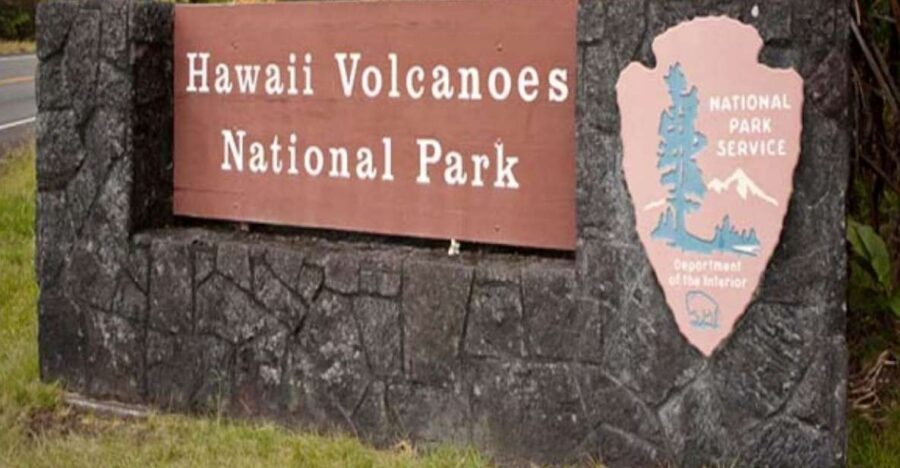
Once you’re inside Volcanoes National Park, you’re not just paying admission—you’re walking into the core of what the park exists to show. The park was established in 1916 and includes two active volcanoes: Kīlauea and Mauna Loa.
A smart way to use your time here is to start at the Visitor Center before you rush into the more dramatic stops. The Visitor Center is where you can get bearings and understand what you’re about to see—especially helpful if you’ve never been to a volcanic landscape before.
Then you’ll head to an ancient lava tube. This is a great change of pace because it’s a “different kind of evidence.” Instead of just looking outward at craters and cliffs, you’re experiencing a formation where lava once moved beneath the surface. Even a short walk through a lava tube can make the volcanic story click in a new way.
Steam Vents and Sulfur Banks: Where the Ground Shows Its Mood
The route includes Volcanic Steam Vents and Sulfur Banks. The steam vents are described as groundwater seeping down into hot volcanic rocks and returning to the surface as steam. That simple explanation matters because you’ll see evidence of heat and pressure in a way you can’t easily fake with museum info.
One practical tip: stand and look around rather than just taking one quick photo. The vents area often has an open, exposed feeling, and the “between the caldera edge and outer cliffs” treeless plain helps you grasp the scale of the caldera.
Sulfur Banks shift the experience again. You’re moving from watery steam to the chemical side of volcanic activity. If you’re sensitive to strong smells, it’s worth knowing you’re going into a place where sulfur can be intense. Wear weather-appropriate clothing and keep your expectations realistic: this is real geothermal terrain, not a perfectly manicured viewpoint.
Kīlauea Iki Crater: The Big Moment (and How to Make It Count)
The headline stop is Kīlauea Iki Crater, described as the most active volcano crater in the world. This is the kind of place where you stop thinking in terms of “pretty views” and start thinking in terms of time, heat, and change.
Why this crater stop is so valuable is that it’s active-leaning context. You’re seeing a feature that’s not just a past event. Even if you don’t see constant dramatic eruptions, the crater setting tells you the island’s volcano story is ongoing.
To make it count:
- Keep your camera ready, but spend a bit of time actually looking first.
- Pay attention to what your guide points out—volcanic terrain can look similar at a glance until someone shows you what matters.
Also, this is where your guide’s energy really helps. One verified booking praised a guide named Shawn as amazing and going above and beyond. That kind of guidance can turn a good stop into a memorable one, especially in places where the ground doesn’t label itself for you.
Chain of Craters Road and Mount Kīlauea: Finishing With Scale
The day doesn’t end at the crater. You’ll also drive Chain of Craters Road and see Mount Kīlauea.
Chain of Craters Road is your “connective tissue” drive—linking viewpoints and giving you a sense of how volcanic zones run across the island. If you enjoy road-trip scenery, this portion adds momentum and helps your photos look more like a journey and less like a checklist.
Then there’s Mount Kīlauea, described as a currently active shield volcano in the Hawaiian Islands and labeled as the most active of the five. That kind of phrasing is meant to set expectations: this is not a closed, historic display. It’s a place where the island’s engine is still running.
Price and Value: Is $579 Worth It for One Day?
At $579 per person, this isn’t the bargain end of Big Island tours. But you’re not just paying for a guide and a bus ride.
You’re getting:
- A full-day guided experience
- A round trip air ticket from Oahu to Big Island
- Snacks and water
- Admission included for Volcanoes National Park
That air-ticket piece is the big value driver. One-day Big Island trips are expensive almost by definition because the flight costs time and money. Here, the package tries to bundle that cost into the price so you don’t have to stitch it together yourself while also juggling national-park entry.
What you should budget for separately is simple: lunch isn’t included. If you’re hoping to control costs by bringing your own food, you can—just be ready for a day where you might eat on the move or during short breaks rather than long restaurant pauses.
Also, remember that the tour expects you to come to the airport for your flight. If you were hoping for a complete door-to-door service, plan around the fact you may need to manage your own airport timing.
Who This Tour Fits (and Who Should Rethink It)
This is a great fit if you:
- Want one-day maximum impact on the Big Island
- Enjoy geology and want a guided way to interpret volcanic terrain
- Like a mix of Hilo culture/nature stops plus the park core
It’s not a great fit if:
- You have mobility limitations. The tour is noted as not suitable for people with mobility impairments.
- You prefer long, unstructured time at each location. This is a schedule-driven day.
It also works best if you’re the type who can handle airport logistics calmly. The day starts at Daniel K. Inouye Airport, and boarding windows are tight. If that makes you nervous, you’ll do better with a buffer mindset—show up early, keep documents ready, and don’t leave anything to the last minute.
Should You Book This Oahu to Big Island Volcanoes Adventure?
If you want the highlights—Hawaii Volcanoes National Park, Kīlauea Iki Crater, steam vents, and a solid taste of Hilo—this is the kind of packaged day that can be worth the money. The price makes sense when you remember it includes flights plus park admission and the day is guided.
I’d book it if:
- You’re short on time and willing to move efficiently
- You want someone to help you understand what you’re seeing
- You’re comfortable handling airport check-in and tight boarding windows
I’d pause before booking if:
- You’re expecting extra pickup convenience beyond getting to the airport
- You know you’ll have trouble with a flight-based schedule
- You want a slower, more flexible sightseeing day
FAQ
FAQ
How long is the Oahu to Big Island Volcanoes National Park adventure tour?
It’s listed as a 1-day tour.
What’s included in the price?
Included items are a full-day tour, round trip air ticket from Oahu to Big Island, snacks and water, and Volcanoes National Park admission.
Is lunch included?
No. Lunch is not included.
Where does the tour start?
The tour starts from Daniel K. Inouye Airport.
Do I need to check in for my flight?
Yes. The information says you need to come to the airport and check in, and boarding passes should be handled at the airline check-in counter.
What time should I plan to board?
You board 30 minutes before departure time, and doors close 15 minutes before departure.
What ID or documents do I need?
You need a government-issued passport or ID. The document guidance also notes that a vaccine card should be with you to travel.
What language is the tour guide?
The live tour guide is listed as English.
Is the tour suitable for people with mobility impairments?
No. It’s listed as not suitable for people with mobility impairments.
Is there cancellation protection?
Yes. It’s listed as free cancellation up to 24 hours in advance for a full refund.