REVIEW · HONOLULU
Sunrise Plus Island Tour
Book on Viator →Operated by Blue Hawaii Photo Tours · Bookable on Viator
Waking up early here is worth it. This is a small-group Oahu sunrise photo tour with hotel pickup and naturalist photographer guidance, built around light, composition, and practical stops instead of the usual “drive-by” sightseeing. Two things I really like: you get tripods included for low-light dawn shots, and the guide teaches you how to actually make a picture, not just where to stand. One thing to consider: breakfast and lunch are on your own dime, and the start is seriously early.
You’ll also get a more personal feel than the big-bus crowd, with a maximum of 6 travelers. People highlight guides like Nelson and Jim for explaining what matters at each stop, including during the drive—so you’re not left guessing what to do with your camera. Since the route can shift with conditions and timing, you should expect a day that feels flexible, not rigid.
In This Review
- Key Takeaways Before You Go
- 5:45 am in Waikiki: How the tour gets moving
- The first dawn stop: Horizon light, splashing waves, and tide pools
- Post-sunrise breakfast and the shift into real photography teaching
- North Shore-style scenery without driving yourself
- Stops across the island: what you should expect between pictures
- Meals you’ll plan for: lunch is not included
- What the included tripod actually changes for your photos
- Guides, group size, and why it feels personal
- Weather flexibility: how to dress and what to do if the sky changes
- Price and value: is $165 a fair deal?
- Who should book this sunrise photo tour?
- Should you book the Sunrise Plus Island Tour?
- FAQ
- What time does the tour start?
- How long is the Sunrise Plus Island Tour?
- How many people are in the group?
- What’s included in the price?
- Are breakfast and lunch included?
- Does the tour run in bad weather?
Key Takeaways Before You Go
- 5:45 am Waikiki start with a van pickup that sets you up to shoot before the crowds wake up
- Tripods included, which makes a huge difference for dawn timing and sharper sunrise frames
- Naturalist photographer guides who explain camera choices like shutter speed and framing
- Small group size (up to 6) for more attention at each scenic stop
- Weather-aware routing with stops chosen to match season, sky, and light
- Breakfast and lunch not included, so plan a simple snack/break strategy
5:45 am in Waikiki: How the tour gets moving
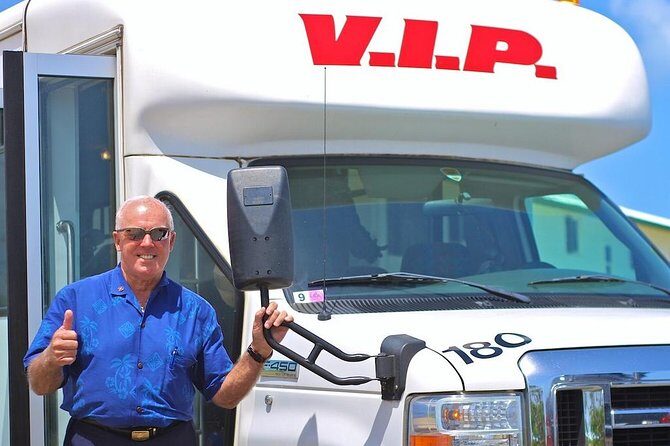
This tour is built for people who don’t mind an alarm. Starting at 5:45 am in Waikiki, you get picked up in an air-conditioned 12-passenger van. Even if you’re not a “morning person,” you’ll quickly see why the early start matters: you’re chasing the best light, not just the best view.
The morning schedule is tight but not chaotic. The tour leaves your hotel about an hour before the sun comes up, then heads toward a beach spot where the sunrise scene is the focus. That timing is doing real work for your photos. At dawn, the light is softer and angles are more forgiving, which means less squinting and better results, even if you’re using a phone or a basic camera.
Guides are not just drivers with a clipboard. They’re naturalist photographer guides who focus on how to see—then how to photograph what you see. Expect short, clear instruction while you’re traveling, plus more at the stops.
You can also read our reviews of more tours and experiences in Honolulu.


The first dawn stop: Horizon light, splashing waves, and tide pools
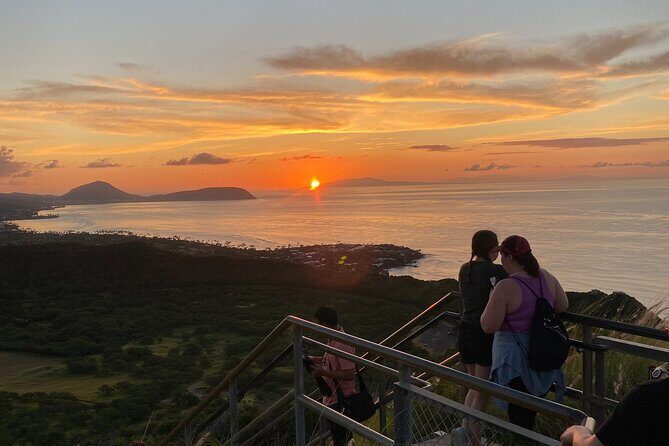
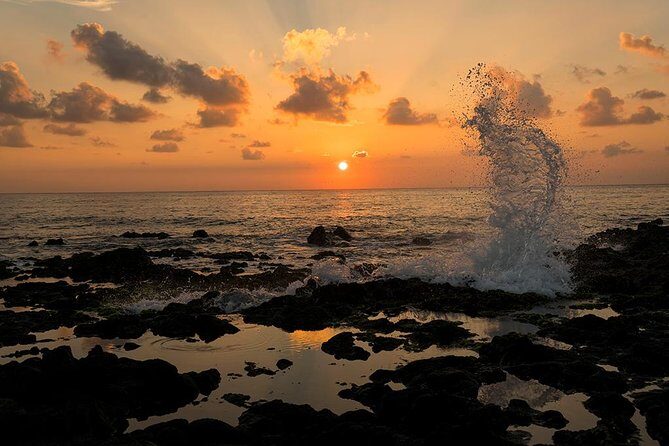
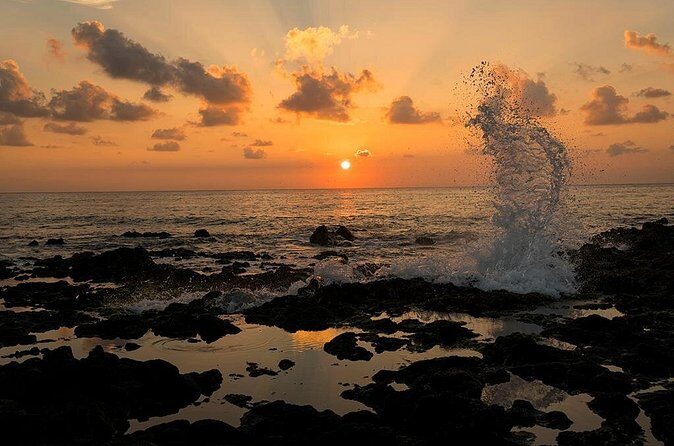
The highlight of the day starts at the beach where the sun appears on the horizon. It’s exactly the kind of scene that looks good with your eyes and even better through a lens: sunrise over the water, splashing waves, and visible tide pools that can add texture and extra foreground interest.
Why this matters for you: dawn photos often fail because of timing and exposure. When the guide is already thinking about where the light will fall, you’re less likely to miss the key moment. You’ll have a tripod with you, too—huge for sharpness when light levels are low.
If light rain shows up, don’t panic. One guest specifically called out how even light rain can be beautiful afterward, when the sun breaks through and you can get rainbow effects. The tour is designed to keep moving in all weather, so the goal becomes adapting the shot rather than “waiting for perfect.”
Practical tip: bring a light layer for the early hours. Even in Honolulu, mornings can feel cooler when you’re out standing still waiting for the horizon glow.
Post-sunrise breakfast and the shift into real photography teaching
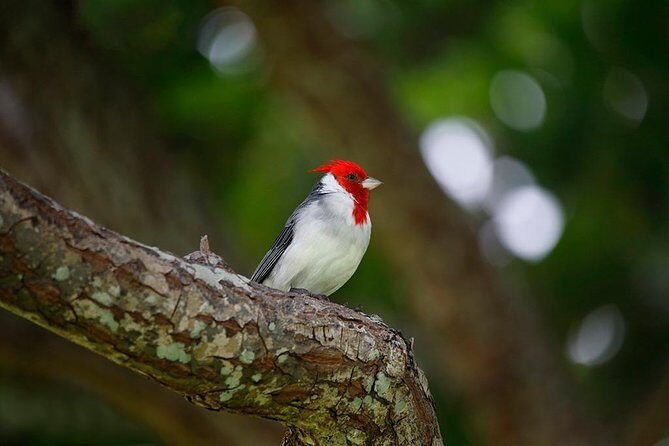
After the sunrise moment, you’re not sent back to your hotel. You get a quick breakfast stop, then the tour becomes a rolling lesson on how to photograph Oahu across changing light.
Breakfast is on your own, but that’s not a deal-breaker—it can actually help you eat what you want. You’re also less likely to feel rushed through a single pre-selected meal. If you’re someone who likes to plan, it’s smart to decide in advance whether you want something quick and easy or a sit-down style breakfast.
This is where the tour earns its “photo teacher” reputation. The guide focuses on practical concepts like:
- using light effectively
- framing (what to include, what to cut)
- shutter speed basics for motion vs. stillness
- finding focal points so your image has a clear subject
You don’t need to be an expert. The teaching style is meant to translate what you see into camera choices that make sense. If you’ve ever taken a great-looking view and ended up with a flat photo, this is the part that helps you fix the gap.
North Shore-style scenery without driving yourself
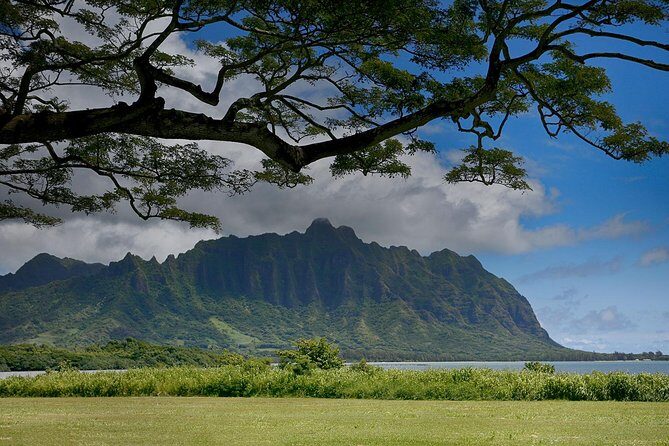
Once you’re past the dawn segment, you’ll keep stopping around Oahu for scenic spots and landmarks. The route is chosen based on the weather, season, and time of day, and the day emphasizes variety—especially dramatic scenery associated with the North Shore side of the island.
This is a big value point for you if you hate logistics. Driving in unfamiliar places at sunrise time is tiring, and figuring out parking while the light is changing fast is a recipe for missed shots. By handling transport, the tour lets you focus on seeing: you arrive at a stop, set up, shoot, and then move on.
The small group size also changes how the stops feel. With fewer people, the guide can give more direct feedback on your angles and settings. It’s less “line up and shuffle” and more “try this, then try that,” which is exactly what you want if you’re learning.
The tour also promises to help you avoid typical tourist-trap headaches. Even if you’re used to popular viewpoints, you’ll likely appreciate being routed to lesser-known scenic pull-offs where the composition can be more interesting and less crowded.
Stops across the island: what you should expect between pictures
You’ll spend the day on a visual road-trip. That means lots of short stops rather than one long “sit there and hope” segment. You can think of it as a sequence of mini-photo assignments. The guide helps you learn what different kinds of scenes ask for—water motion, foreground texture, skyline light, and the way clouds can change the mood fast.
Because the tour changes with conditions, you should expect the day to feel responsive. If the sky is doing something great, the route can shift to match it. If weather is less cooperative, the emphasis can move to composition tricks—foreground elements, contrast, and timing—so you still leave with images you like.
In other words, you’re not buying a checklist. You’re buying a guided method for working with real Hawaiian conditions, not postcard fantasy.


Meals you’ll plan for: lunch is not included
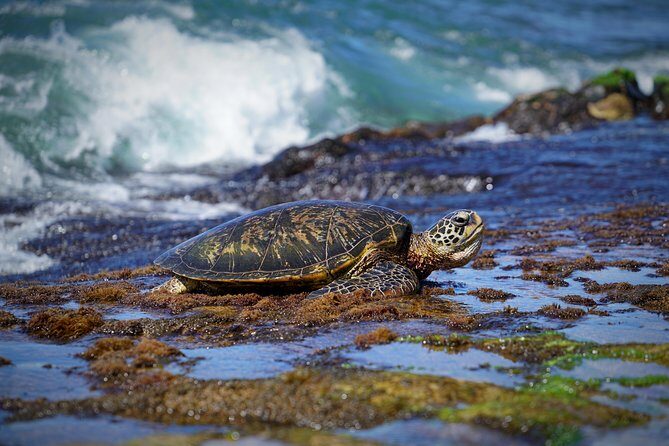
The tour includes a quick breakfast stop, but food and drinks aren’t included, and lunch is on your own. That’s worth factoring into your budget before you go, because it affects how much spending you’ll do that day.
My practical advice: pack a simple plan. If you’re the type who gets hungry fast, consider bringing a small snack so you’re not stuck hunting food in the middle of a busy morning. If you like local spots, you’ll have freedom to choose where to eat rather than accepting whatever a group meal would be.
The nice part is the tour’s structure. You’re getting fed once early, and then lunch comes later in the day. So you’re not dealing with a whole day of empty stomach stress while you try to focus on photography.
What the included tripod actually changes for your photos
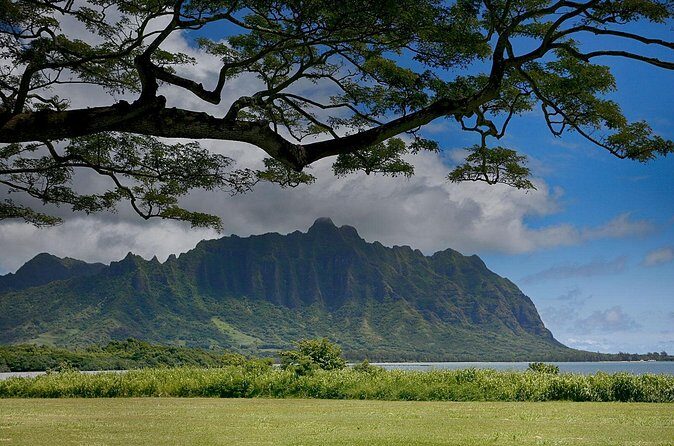
Tripods can sound like an extra detail until you use one at dawn. Here, they’re included, which means you don’t have to rent, borrow, or worry about whether you’ll have stable support when you need it most.
At sunrise, the light is limited. That often pushes cameras toward slower shutter speeds and higher sensitivity. A tripod helps you keep your frame steady so you’re not trading sharpness for brightness. It also gives you better control when the guide is teaching shutter speed and composition.
Even if you’re using a phone, think of the tripod as part of a bigger lesson: stability helps you slow down and take more careful shots. You’ll likely find it easier to apply what you’re learning when you’re not rushing to handhold everything.
Guides, group size, and why it feels personal
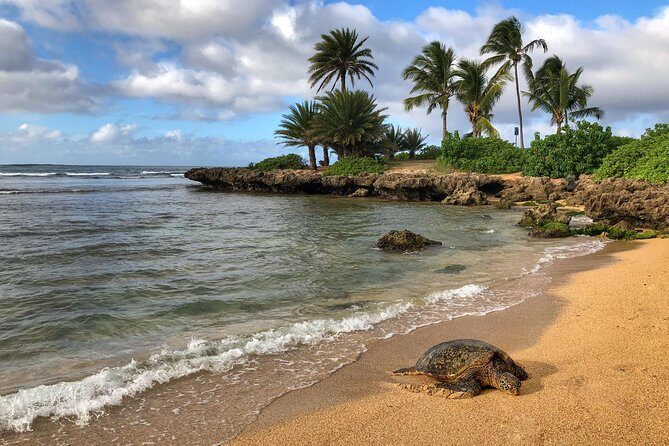
This experience runs with a small maximum of 6 travelers, and it uses a compact, air-conditioned van. That small size is the reason the teaching lands. When the group is small, the guide can explain concepts and still keep an eye on what each person is trying.
The tone also seems to matter. In the feedback, guests praise guides like Nelson and Jim for sharing info during the drive and at stops. That’s a smart approach for you. The drive time isn’t wasted. It becomes part of the lesson.
Also, you’ll get better at shooting faster when you can ask a question and get direct answers without feeling like you’re holding up a big group.
Weather flexibility: how to dress and what to do if the sky changes
This tour operates in all weather conditions. That’s good news if you’re visiting in a season where the sky can shift without warning. The catch is you need to dress for the reality of mornings: cooler air, possible light rain, and changing cloud cover.
Your goal isn’t to wait for clear skies. It’s to keep shooting while the light changes. A little rain can soften contrast and create atmospheric effects. And when the sun breaks through after rain, it can add dramatic color—one guest described rainbow-like beauty after light rain.
Bring a small waterproof layer or poncho if you can. You’ll use it at least once if the forecast looks unpredictable, and even when the rain is light, it helps you keep your gear and your patience in good shape.
Price and value: is $165 a fair deal?
At $165 per person, you’re paying for an early start, round-trip Waikiki pickup/drop-off, air-conditioned transport, and tripod support. On top of that, you’re paying for guided photography teaching with naturalist knowledge and a route that’s adjusted for light and weather.
If you were to self-drive and self-plan, you’d need to solve several problems:
- when and where to shoot at dawn
- how to get the timing right without stressing
- how to learn composition and camera choices on the fly
- how to move efficiently across Oahu without losing daylight
The tour bundles all of that. Plus, the small group size helps you get instruction rather than just a seat on a bus.
Is it worth it for casual sightseers? Maybe not. But for anyone who cares about photos, wants a smarter route, and prefers guidance over guessing, the price starts to make a lot of sense.
Who should book this sunrise photo tour?
I’d point this tour at you if:
- you want sunrise photos with a real learning component
- you like small groups and direct guidance
- you’re going to be in Honolulu and want a day that spreads out beyond Waikiki
- you’d rather have someone else handle routing than you fight traffic and parking
I’d think twice if:
- you hate early mornings (the start is 5:45 am)
- you’re only looking for a casual sightseeing loop and don’t care about photography tips
- you want meals included (food and lunch are not part of the package)
This is also a solid fit for first-time Oahu visitors who want more than the obvious stops. The day is designed to reduce the tourist-trap feel and help you see a variety of dramatic scenery across the island.
Should you book the Sunrise Plus Island Tour?
If you’re the type who wants your vacation photos to look intentional, I think you’ll like this. The tripod included, the small group size, and the hands-on photo instruction are the core reasons. You’re not just watching the sunrise—you’re learning how to photograph it, then applying those skills as the island and light change through the day.
Book it if you can handle an early start and you’re okay planning for breakfast and lunch on your own. If you can’t do mornings, or you’re not interested in learning how to shoot better, then there are easier ways to spend a day on Oahu.
FAQ
What time does the tour start?
The start time is 5:45 am, with hotel pickup in Waikiki.
How long is the Sunrise Plus Island Tour?
The duration is about 8 hours 30 minutes.
How many people are in the group?
This tour has a maximum of 6 travelers.
What’s included in the price?
Included are tripods, hotel pickup and drop-off, and transport by air-conditioned 12 passenger van.
Are breakfast and lunch included?
No. Food and drinks are not included, and lunch is on your own.
Does the tour run in bad weather?
It operates in all weather conditions, and you should dress appropriately. If it’s canceled due to poor weather, you’ll be offered a different date or a full refund.