REVIEW · HONOLULU
First-Time Scuba Diving in Honolulu + Free Videos
Book on Viator →Operated by Try Scuba Diving-Honolulu · Bookable on Viator
Scuba in Honolulu without the pressure. This small-group try-scuba lesson gives you all the gear and a real safety seminar, plus a GoPro video to take home, all for $89. The one thing to keep in mind: water conditions can change plans, and parts of the experience can feel more like a sheltered lagoon than a wide-open reef.
What I like most is how the instructors coach you step-by-step. People specifically called out instructors like Danny, Alex, Nick, Dan, and Rida for being patient with first-timers and staying close while you learn to breathe and move comfortably. If you’re nervous, this kind of calm, hands-on guidance is the difference between a one-and-done trial and a “wow, that was easier than I thought” moment.
The lesson is built for beginners and moderately experienced divers: no certification needed, max depth around 15 feet, and you start in waist-deep water to build confidence. Still, you’ll want to be comfortable in the water, able to walk with equipment, and aware you shouldn’t fly within 12 hours afterward.
In This Review
- Key things that make this scuba session worth it
- Getting Started at Magic Island Lagoon (and Why It Matters)
- Gear Fitting and the Safety Seminar: Learn the System Before You Go In
- The Underwater Part: What You Actually Do (Up to 15 Feet)
- Ala Moana Beach Park Waters: Marine Life You Can Spot
- GoPro Videos and Photos: The Best Souvenir Is the One You Don’t Lose
- Price and Value: Is $89 Fair for First-Timers?
- Weather, Logistics, and Real-World Comfort Tips
- Who Should Book This Honolulu Session (and Who Should Skip It)?
- Should You Book It?
- FAQ
- FAQ
- Do I need scuba certification to do this?
- How deep will I go?
- What’s included in the $89 price?
- Where do I meet for the tour?
- Is hotel pickup included?
- What if I wear glasses or contacts?
- Do I need swimming experience?
- Can I fly soon after scuba?
- Will I get videos and photos?
- What happens if the weather is bad?
Key things that make this scuba session worth it
- Small group sizes (up to 16) with plenty of attention so you’re not lost in a crowd
- All scuba gear included, plus wetsuit fitting before you go in
- Safety training first, starting waist-deep and only then going deeper
- GoPro video and photos afterward, so you can keep the memory
- A realistic max depth of about 15 feet, ideal for first-timers
Getting Started at Magic Island Lagoon (and Why It Matters)
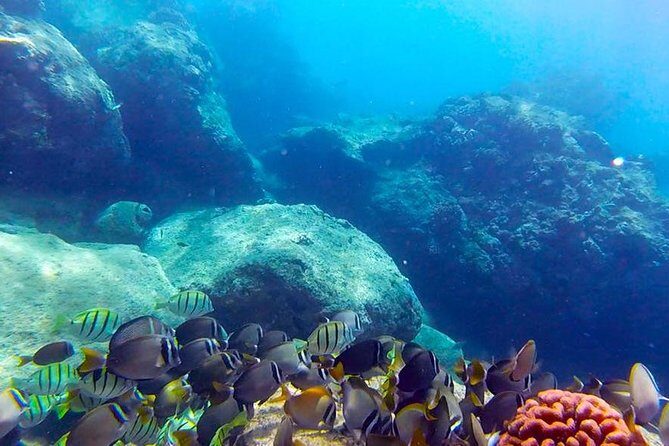
The experience kicks off at Magic Island Lagoon in Honolulu. That’s a good thing for you because it’s a clear meeting point right where you can organize your morning. You’ll also be near public transportation, so you don’t have to solve a complicated logistics puzzle just to show up.
From there, the session focuses on keeping things simple: you gear up, you get taught, then you go underwater in the Oahu coastal area. Since the tour ends back at the meeting point, you’re not stuck figuring out a last-mile problem after you’re done.
One practical note I’d take seriously: you must be physically able to walk with equipment. This isn’t a “sit and watch” activity. You’ll be moving around enough to get your wetsuit and kit on and get comfortable in the water.
You can also read our reviews of more scuba diving tours in Honolulu
Gear Fitting and the Safety Seminar: Learn the System Before You Go In
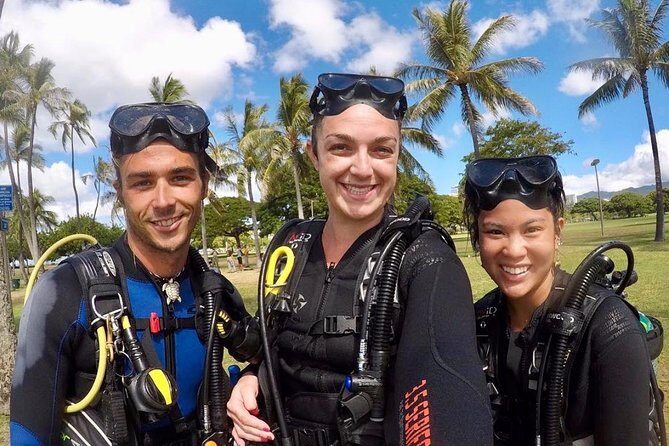
Before anyone goes anywhere, you’ll get fitted with wetsuit and scuba gear. This step matters more than people think. A lot of first-timer anxiety comes from not knowing whether the mask fits, whether the regulator feels right, or how the fins help you move.
The instructor provides a safety briefing and then you begin in waist-deep water. That “start low” approach is key: you’re not thrown into deep water while you’re still learning how to manage breathing and buoyancy. You build confidence with instruction, not guesswork.
If you’re bringing prescription glasses, plan ahead. Prescription glasses can’t be worn under the scuba mask, while contact lenses are allowed. If you wear contacts, you’ll likely be fine. If you don’t, you can go without—the water view is magnified, and objects may look about 25% closer and larger underwater.
Also, don’t underestimate how much a short, clear gear briefing helps your whole experience. You’ll be grateful for it when you’re trying to stay relaxed and focused.
The Underwater Part: What You Actually Do (Up to 15 Feet)
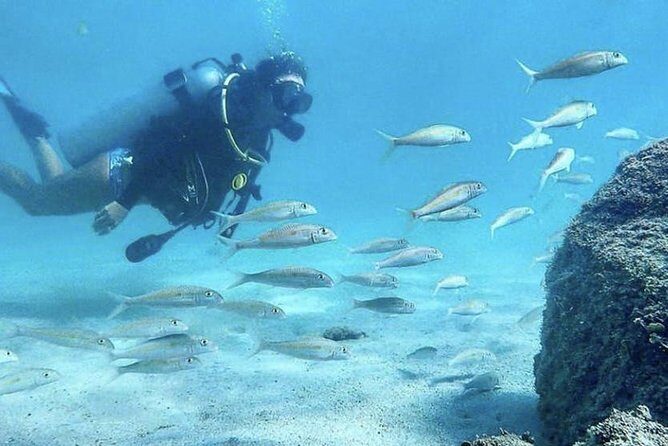
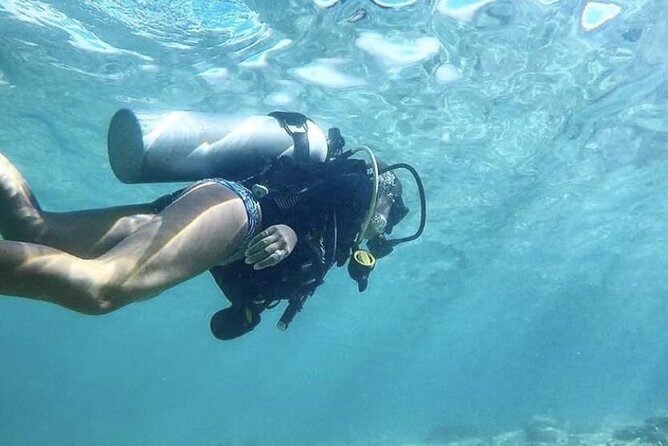
The tour is structured to keep you moving from basics to comfort. You start in waist-deep water, then you go deeper once you’re feeling steady. The tour’s max depth is around 15 feet, which keeps things beginner-friendly and keeps the “first time” from turning into an “endurance event.”
Throughout the session, your professional guide stays with you. That’s huge for first-timers. You’re not just handed a kit and pointed toward the horizon. You’ll be coached on how to breathe, how to stay calm, and how to move without panicking or kicking up the bottom.
Group size is capped at 16, and it’s often described as small in practice. That matters because you get more check-ins, and the instructor can fix common problems fast—like adjusting your mask or helping you find a comfortable way to kick.
One more expectation-setting point: you should be comfortable in the water. The activity doesn’t require swimming experience, but “comfortable” is the requirement. If you’re okay treading, floating, and staying calm, you’ll be in better shape for this than someone who hates the feeling of being in open water.
Ala Moana Beach Park Waters: Marine Life You Can Spot
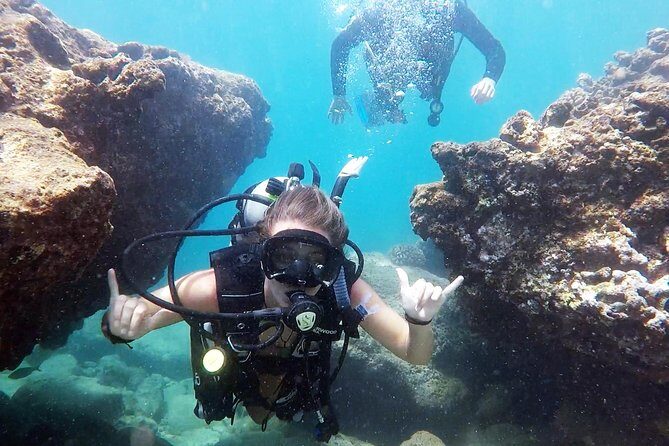
The session takes you into the tropical Pacific waters near the Ala Moana Beach Park area. The goal is a low-stress encounter with ocean life, not an all-day underwater workout.
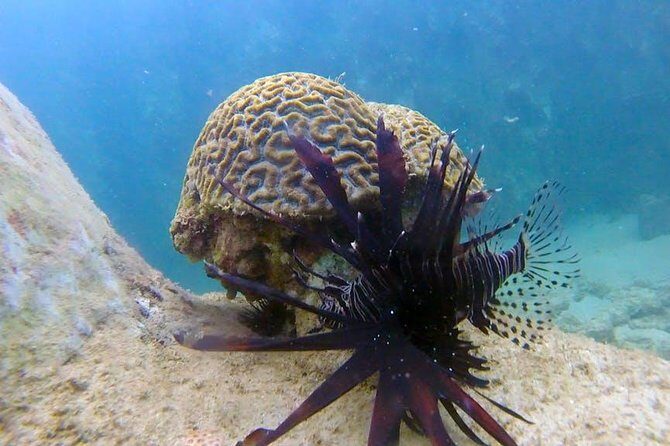
You may get to see:
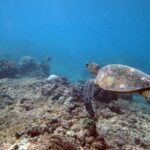
- green sea turtles
- octopuses
- sea stars
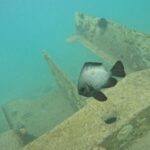
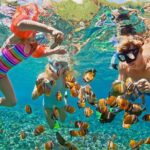
- bright tropical fish
- coral and other colorful marine life
Now, here’s the honest part. Water clarity and what you see can shift with conditions. Wind can affect visibility, and in some cases the setup can feel sheltered—one experience was described as more enclosed than open ocean, with a wall separating the lagoon from the sea. If you’re expecting “every fin stroke reveals something new,” manage your expectations. This is a beginner-focused lesson with a chance at great wildlife.
A tip that came up in real stories: earlier sessions can give you a better chance at marine life. If you have flexibility, pick an early time slot.
GoPro Videos and Photos: The Best Souvenir Is the One You Don’t Lose
This tour includes complimentary videos, and you’ll get a GoPro video of your underwater adventure at the end. In real-world terms, that’s one of the most valuable parts for most first-timers: you get proof you actually did it, plus footage you can share without trying to hold a phone underwater (please don’t).
The same is true for photos and other video clips your guide records during the session. People also mentioned receiving content via air drop, which is convenient right when you’re still thinking about what you saw.
One important catch: if the camera malfunctions, there’s no refund for the tour. It’s not a reason not to go, but it is a reason to mentally file this under “included, not guaranteed forever by technology.”
If you care about the keepsake side, this is a strong selling point at $89, because you’re not paying extra for underwater media.

Price and Value: Is $89 Fair for First-Timers?
For $89 per person, you’re getting a full guided try-scuba lesson (instruction + gear), a short underwater session, and a take-home GoPro video. For Honolulu, that can be good value because you’re not responsible for renting equipment separately or figuring out how to structure training on your own.
What makes it feel worth it is the combo:
- All gear included (so you’re not shopping for a wetsuit or mask that fits)
- No certification required, so you’re paying for coaching time and a beginner-friendly introduction
- Small group format, so your instructor isn’t stretched thin
You’re also paying for access to a controlled, guided experience rather than a casual shoreline swim. If you just want to watch from shore, you won’t get much out of it. If you want to learn how scuba gear works and see ocean life without deep-water stress, this price tends to land in the right zone.
One more thing: consider tipping your instructor. Some people specifically advised bringing extra cash for a tip, and it’s a nice way to show appreciation when your guide is actively helping you stay calm and safe.
Weather, Logistics, and Real-World Comfort Tips
This experience requires good weather. If it’s canceled due to poor weather, you’ll be offered a different date or a full refund. That’s important because water visibility and safety depend on conditions.
A few other practical points to plan around:
- You’ll want moderate physical fitness, since you have to walk with equipment.
- The tour doesn’t include hotel pickup or drop-off, so you’ll handle getting to Magic Island Lagoon.
- Service animals are allowed.
- It’s near public transportation, but you should still plan time to arrive early enough to gear up calmly.
- Flying within 12 hours after your scuba session is not recommended. Plan your schedule accordingly so you’re not forced to fly soon after.
On the gear side, if you wear contact lenses, they’re allowed. If you rely on glasses, remember they can’t be worn under the mask. Underwater magnification also changes how things look, so the “closer and larger” effect is normal.
And if your day is windy, understand that your experience might shift. It’s still the same core lesson, but ocean conditions can affect what you see and how it feels.
Who Should Book This Honolulu Session (and Who Should Skip It)?
This is a great fit if you:
- have never used scuba gear before (or only tried it a little)
- want a calm, guided first underwater experience
- want a max depth around 15 feet and start in waist-deep water
- care about having recorded memories (GoPro video and clips)
It’s also a smart choice if you’re traveling with kids or family, as long as everyone meets the comfort-in-water requirement and can handle the walking-with-gear part.
You might want to think twice if you:
- hate being in the water unless you’re fully comfortable floating and treading
- can’t walk with equipment
- have a schedule that forces you to fly within 12 hours after the session
- need prescription glasses under the mask (since glasses can’t be worn beneath it)
Should You Book It?
If your goal is a beginner-friendly scuba lesson in Honolulu with a clear safety approach, small group attention, and a GoPro keepsake, I’d say it’s a solid booking. The combination of gear included, instruction focused on first-timers, and underwater video footage makes it feel like more than just a short “try it once” moment.
Book it if you can show up comfortable in the water and you’re picking a time that fits the day’s weather. Skip it only if you know the water-in-your-face part will stress you out too much, or if your plans force flying within 12 hours afterward.
FAQ
FAQ
Do I need scuba certification to do this?
No. The experience is designed as a beginner-friendly scuba session, and prior certification is not required.
How deep will I go?
The max depth is around 15 feet.
What’s included in the $89 price?
You get a guided scuba adventure with instruction, all scuba gear/equipment, and complimentary video from your underwater experience.
Where do I meet for the tour?
You meet at Magic Island Lagoon, Honolulu, HI 96815, USA, and the activity ends back at the meeting point.
Is hotel pickup included?
No. Hotel pickup and drop-off are not included.
What if I wear glasses or contacts?
Prescription glasses cannot be worn under the scuba mask. Contact lenses are allowed, or you can go without.
Do I need swimming experience?
You don’t need swimming experience, but you must be comfortable in the water.
Can I fly soon after scuba?
Flying within 12 hours after the scuba session is not recommended.
Will I get videos and photos?
Yes. You’ll receive complimentary videos, and your guide takes video and pictures during the session. If the camera malfunctions, there is no refund for the tour.
What happens if the weather is bad?
The experience requires good weather. If canceled due to poor weather, you’ll be offered a different date or a full refund.