REVIEW · HONOLULU
Hawaii Volcanoes National Park Experience from Kauai
Book on Viator →Operated by Aloha Sunshine Tours · Bookable on Viator
Volcanoes move people fast. This one-day Big Island loop mixes Volcanoes National Park with Kona coffee and black-sand shoreline stops, all wrapped into round-trip flights from Kauai. I especially like the built-in pacing that gives you real park time at Halemaʻumaʻu and Kīlauea Iki, plus the bonus stops that help you see more than lava and steam.
The tour is also guided with local narration in an air-conditioned vehicle, capped at 22 people, so you’re not stuck in a huge herd. One possible drawback: guide quality can make a big difference, and there was at least one serious complaint in the past about respect for park rules and cultural context, so go in expecting strict leave-no-trace behavior—and speak up if anything feels off.
If you’re coming from Kauai, the value is clear: you’re paying for the flight and the logistics that get you to the Big Island in one long day. At $589.99 per person, it’s not cheap, but it’s easier than trying to stitch together your own flights, rental car, and park timing. The day can run long—about 8 to 10 hours—and you’ll want layers because weather shifts quickly with elevation.
In This Review
- Key things to know before you go from Kauai
- How the day trip flows: Kona airport meet-up and a long but efficient schedule
- Greenwell Farms coffee on Mauna Loa slopes: the Kona start that sets the tone
- Manuka State Wayside Park: a short trail break on the Belt Road
- Punaluu black-sand beach and Punaluʻu Bake Shop lunch: turtles, basalt, and sweet bread
- Volcanoes National Park highlights: Halemaʻumaʻu, Kīlauea Iki, Thurston Lava Tube, and steam vents
- Mauna Kea access road, Kohala Coast, and Hilo: scenery plus a culture and museum-style pause
- Price and value: what $589.99 is really paying for
- What to pack for a volcanic day: layers, sturdy shoes, water, and no-trace habits
- Guide respect and leaving no trace: why this matters more than you think
- Who this day trip is best for (and who may not enjoy it)
- Should you book this Kauai-to-Big-Island Volcanoes day trip?
- FAQ
- What’s included in the tour price?
- What’s not included?
- How long is the experience?
- Where do I meet on the Big Island?
- Is there cell service at Volcanoes National Park?
- Can I cancel for a full refund?
Key things to know before you go from Kauai
- Round-trip airfare from Kauai: included, so you’re not making DIY flight decisions for this day.
- Real Volcanoes National Park time: plan on major stops like Halemaʻumaʻu Crater, Kīlauea Iki, a lava tube, and steam vents.
- No cell service in parts of the park: download anything useful ahead of time.
- Pack for cool, wet, and sulfur smells: volcanic gases can be an issue, especially if you have respiratory sensitivities.
- Lunch is on you: you stop at Punaluʻu Bake Shop, but meals are not included.
How the day trip flows: Kona airport meet-up and a long but efficient schedule
This experience is built as a true “cross-island” day, starting with the round-trip flight from Lihue Airport (Kauai) to Kona International Airport (Big Island). You meet at Kona International Airport at the lot behind Alaska Baggage claim, B-2, and the day starts at 8:00 am (local time there).
Once you’re on the Big Island, you’ll ride in an air-conditioned vehicle with a local guide providing narration throughout the day. With a maximum group size of 22, it tends to feel organized: you get pulled from stop to stop, but you’re still able to hear context instead of just enduring a bus audio system.
The schedule is not slow travel. You’re moving from Kona-side coffee country to a quieter forest trail, then to the black-sand beach area, and finally to the big-ticket volcanic sights. Expect a full day with comfort breaks, and plan your energy like you would for an all-day tour in a big city—just with more lava.
You can also read our reviews of more tours and experiences in Honolulu.


Greenwell Farms coffee on Mauna Loa slopes: the Kona start that sets the tone
Your coffee stop is Greenwell Farms, one of the oldest coffee farms in Hawaii, established in 1850 by Henry Nicholas Greenwell. It’s located in the Kona district on the slopes of Mauna Loa, where the growing conditions are tied to the island’s daily weather pattern: sunny mornings, cloudier afternoons, and consistent rainfall plus volcanic soil.
This stop works well because it reframes Hawaii beyond scenery. Coffee here is not just a souvenir stop; it’s a story about how people turned volcanic land into something you can taste. You’ll also have a chance to see the farm environment up close before you go straight into Volcanoes National Park, so the day feels connected rather than random.
You should keep expectations practical. The time is listed at about 30 minutes, so don’t plan on a long tasting session. If you buy anything, do it with the idea of taste and packaging rather than expecting a full-blown tour of the entire operation.
Manuka State Wayside Park: a short trail break on the Belt Road
Next up is Manuka State Wayside Park, a quiet 13-acre stop along the Hawaii Belt Road (Highway 11). It’s set on the slopes of Mauna Loa and blends wet and dry forest ecosystems—so even on a short visit, it gives you a sense of how varied the island can be in a single drive.
The highlight is the 2-mile Manuka Nature Trail, where you’ll walk through native forest and see interpretive signage tied to local plants, geology, and ecology. This is also one of those stops that helps you slow down for a moment. You’re not sprinting across viewpoints; you’re walking a trail, taking in forest textures, and getting a mental reset before the geology gets dramatic again.
The main drawback is simply time. You’re there for about 30 minutes, so it’s more of a “get your bearings in the forest” stop than a hike you’d build a day around. Wear solid shoes, and bring a rain layer anyway—forest weather can turn fast.
Punaluu black-sand beach and Punaluʻu Bake Shop lunch: turtles, basalt, and sweet bread
Then you head to Punaluʻu Black Sand Beach, a classic Big Island shoreline known for its dark sand made from volcanic basalt. The beach is surrounded by coconut palms and is also a popular viewing area for Hawaiian green sea turtles, which sometimes bask along the shore.
A key practical note: the info calls out that the water can be rough, so treat it as a viewing stop, not a swim stop. Even if you’re tempted to step near the shoreline, keep it calm—just enjoy the scene and the chance to spot turtles.
Right after that, you stop at Punaluʻu Bake Shop in Naʻālehu, described as the southernmost bakery in the U.S. (since you’re in the neighborhood anyway). It’s known for traditional Hawaiian sweet bread in flavors like taro, guava, and mango.
You’ll likely be hungry. This is where the day starts to reward you for the long driving. Meals are at your own expense, and the shop also has gift items and a garden area, so you can make lunch feel like a real break rather than just a counter-service stop.
Bring cash if you’re planning to add small purchases. The tour notes that cash is useful for roadside stands, food trucks, and local shops because some places can be cash-only.
Volcanoes National Park highlights: Halemaʻumaʻu, Kīlauea Iki, Thurston Lava Tube, and steam vents
This is the centerpiece. Volcanoes National Park gives you the island’s “live” story in a way that photos just can’t match. You start at the visitor area to get oriented on the park’s geology and history, then move through multiple key stops.
At Halemaʻumaʻu Crater, you’re set up for the main wow moment: the possibility of seeing the crater glow with molten lava. Even if conditions shift day to day, the crater area is where you understand the park’s energy fast. It’s not a museum; it’s an active system.
Then comes Kīlauea Iki Rainforest Lookout, which offers a strong contrast. You go from volcanic fire to a lush crater view, and there’s a trail through parts of the remnants of a past eruption. This stop helps you see how the island rebuilds itself—nature moves in quickly, even after violent change.
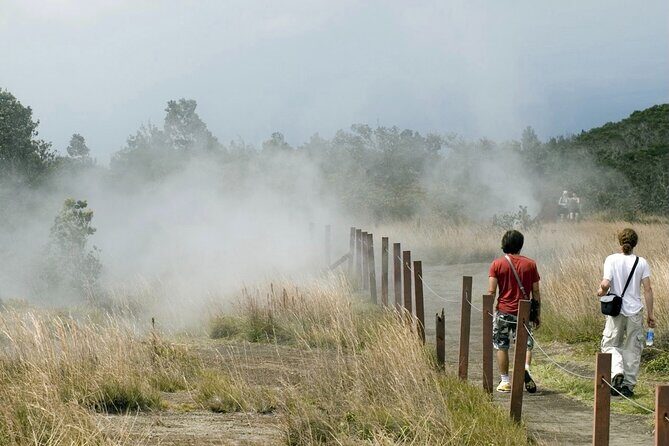
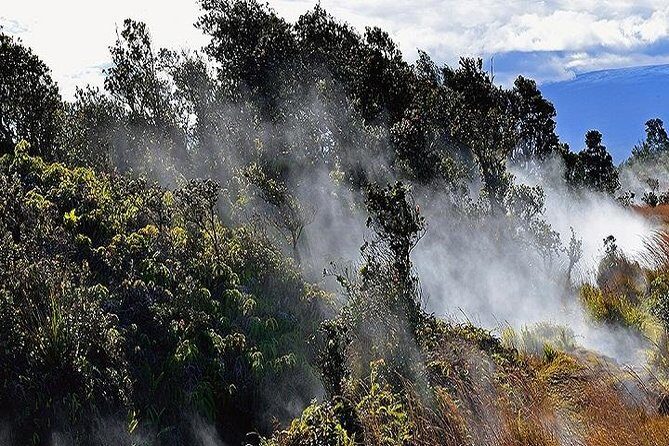
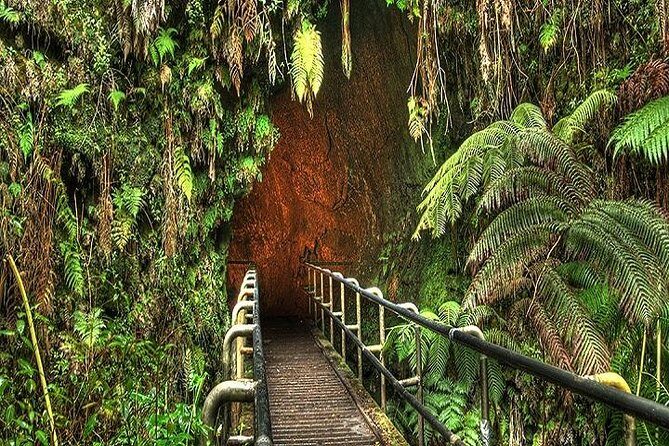
Next is Thurston Lava Tube. Walking through a natural tunnel formed by flowing lava is one of the more surreal experiences of the day. Your pace slows down because you’re literally inside what the earth did. Add steam vents after that, and you get a very hands-on sense of geothermal activity—heat rising from beneath your feet.
A few practical warnings matter here:
- volcanic gases can be harmful, especially for anyone with respiratory issues
- you might smell sulfur in some areas, so it’s not the time for ignoring your comfort
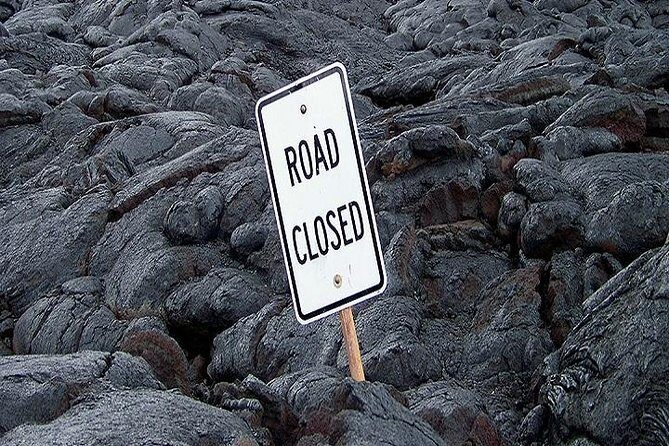
- stay on marked trails and follow safety guidance, because this is an active volcanic environment
You’ll spend about 2 hours in the park. That’s enough to hit the major highlights without turning the day into a half marathon, but it’s still a walk-and-stand schedule. Wear closed-toe shoes.
Also remember: cell service is limited or nonexistent in many parts of the park, so don’t plan on last-minute map lookups.



Mauna Kea access road, Kohala Coast, and Hilo: scenery plus a culture and museum-style pause
After Volcanoes National Park, the day broadens out beyond lava. You’ll make stops that give you a wider cross-section of Big Island geography.
Mauna Kea Access Road is described as a steep, winding route toward the summit area, starting from Saddle Road (Route 200). As you climb, you move through different climates: from grassy plains to barren volcanic terrain. The important thing for your body is that air gets thinner and temperatures drop significantly. So yes, you’ll want layers even if Kona weather felt warm.
Then you travel along the Kohala Coast, known for beaches, scenic views, and the presence of luxury resorts. The area is drier than other parts of the island, which can make it feel more “clear” and open for photos and viewpoints.
Finally, you reach Hilo, which offers a different kind of Hawaii: history and culture mixed with gardens and museums. The town has several notable options nearby, including the Lyman Museum, the Hilo Historic District, the Pacific Tsunami Museum, and Liliuokalani Gardens. If your schedule allows you to wander briefly, Hilo Farmers Market is mentioned as a lively place to see local goods and produce.
Even if you only get limited time, Hilo helps balance the day. After volcanoes and beaches, it puts people back into the story.
Price and value: what $589.99 is really paying for
At $589.99 per person, this is a premium-priced day. The big reason is that the tour includes round-trip airfare between Kauai and Kona, plus a guided day on the Big Island with park admission and an air-conditioned vehicle.
If you’re a person who hates logistics—figuring out flights, then rental car timing, then where to park at Volcanoes National Park—this package has real value. You’re paying to remove stress and keep the day structured.
Also, the tour includes narration from a local guide, and there’s a maximum group size of 22, which tends to make the “guided” part more meaningful than if you were in a massive bus. You do still pay for meals, though, so build a lunch budget.
The price is hardest to justify if you plan to spend multiple days on the Big Island anyway. In that case, a stay-and-explore approach can often feel more relaxed and cheaper per day. But if you want one Big Island hit—volcanoes included—without moving lodging, the cost starts to make sense.
What to pack for a volcanic day: layers, sturdy shoes, water, and no-trace habits
This tour comes with real-world conditions. The info you’re given is straightforward, and I agree with it:
- Bring layers and a rain jacket. Weather changes quickly, especially at higher elevation areas like Mauna Kea.
- Wear sturdy, closed-toe shoes. Volcano terrain can be uneven and sharp.
- Bring water, snacks, sunscreen, and a hat. There are limited services in parts of Volcanoes National Park.
- Plan for no cell service in the park. Download maps or keep offline info ready.
Also, keep your behavior practical and respectful. Volcanoes National Park is an active and protected place. The tour notes you should respect sacred sites and follow Leave No Trace, which is not just a slogan—it’s the way you keep the park alive for the next person.
If you have respiratory issues, take the volcanic gases warning seriously. This isn’t a “tough it out” situation. It’s safer to talk with your clinician before travel if you know sulfur triggers you.
Guide respect and leaving no trace: why this matters more than you think
One thing I take seriously from prior feedback is guide conduct around park rules. There was an incident described involving a guide named Kevin allegedly collecting lava rock or tephra from the park. That’s the opposite of Leave No Trace, and it matters because it sets the tone for everyone in the group.
Even if that issue is not typical, it’s a useful reminder for you: don’t treat the park like a scavenger hunt. No matter how tempting a rock looks, follow the rules and stay on marked trails. If a guide acts like taking things is fine, that’s your cue to pause, refocus, and make your own choices based on the park’s safety and preservation rules.
The operator also responded to that kind of complaint with an apology and a statement that strict adherence matters. So the good news is the company does address guide training and expected behavior—but you should still pack the mindset that you control your own actions.
Who this day trip is best for (and who may not enjoy it)
This fits best if you:
- want to see Volcanoes National Park highlights in a single day without renting a car
- like a tight itinerary with organized stops and narration
- don’t mind that you’ll move often, stand and walk on uneven ground, and eat lunch on your own
It may feel less ideal if you:
- hate long days and want slow, flexible timing
- have respiratory sensitivities and are worried about volcanic gases
- want a deep, unhurried exploration of one area rather than multiple regions in one loop
Should you book this Kauai-to-Big-Island Volcanoes day trip?
I’d book it if you’re on Kauai and you really want Volcanoes National Park without turning the trip into a logistics project. The included airfare, park admission, and guided flow make the day feel doable, even if it’s packed. The coffee stop, the black-sand beach area, and the Hilo time give you variety beyond the main crater sights.
I wouldn’t book it if you’re sensitive to volcanic gases, you expect a mellow pace, or you’re very strict about guide respect and factual accuracy. If you go, go prepared: sturdy shoes, layers, water, and a clear no-trace mindset.
For the right person, this is a powerful way to spend one day on the Big Island—driven by volcanoes, anchored by local stops, and wrapped up cleanly so you can get back to Kauai without stress.
FAQ
What’s included in the tour price?
The tour includes round-trip airfare from Lihue Airport on Kauai to Kona International Airport, a guided tour with narration, Hawaii Volcanoes National Park admission, and transportation in an air-conditioned vehicle.
What’s not included?
Meals are at your own expense, and transportation to Lihue Airport on Kauai is not included.
How long is the experience?
It’s listed as approximately 8 to 10 hours.
Where do I meet on the Big Island?
You meet at Kona International Airport, at the lot behind Alaska Baggage claim, B-2, with a stated start time of 8:00 am.
Is there cell service at Volcanoes National Park?
No—cell phone service is limited or nonexistent in many parts of the park.
Can I cancel for a full refund?
Yes. You can cancel up to 24 hours in advance for a full refund. If you cancel less than 24 hours before the start time, the amount you paid will not be refunded.