
REVIEW · HONOLULU
Hike to the top of KokoHead Crater – Private Transportation/Group
Book on Viator →Operated by Hawaii Waterfall Hike!! · Bookable on Viator
Koko Head is famous for a reason. This guided hike up an old tramway of railroad ties (about 1,048 steps) delivers a serious workout and then rewards you with big, east-side Oahu views. It’s the kind of climb that turns photos into proof you really did something hard.
I love how this experience bundles private transportation with a guide who stays with you on the ascent and descent. You also get help documenting the climb, which matters when you’re busy hauling yourself uphill and trying not to lose your group.
The main catch is simple: it’s tough. If you don’t hike regularly at home, you’ll feel it, so I’d choose a gentler outing unless you’re ready to pace yourself and take breaks.
In This Review
- Key highlights worth your attention
- The Koko Head payoff: 1048 steps, extinct-volcano views
- Private transportation that keeps the day tight (and doable)
- What the climb really demands on the old tramway
- Summit time: how to use your flexible lookout window
- Pictures and momentum with Brian (and why the guide matters)
- Price and value: what $92 buys you on a steep, guided day
- Who should book this hike (and who should consider a different one)
- Practical tips to make Koko Head feel safer and more enjoyable
- Should you book this KokoHead Crater Private Transportation/Group hike?
- FAQ
- How long is the Koko Head hike with this tour?
- Is pickup included?
- How many steps is the hike to the top?
- Is there time to stay at the summit?
- What fitness level do I need?
- What happens if weather is poor?
Key highlights worth your attention

- Small group, up to 4 travelers for a more personal pace on the climb
- Pickup and drop-off so you spend energy on hiking, not navigation
- About 2 hours of hiking time within an overall ~3-hour experience
- Summit time is flexible so you can linger for the views
- Guide support with pictures helps you capture the moment without slowing you down too much
The Koko Head payoff: 1048 steps, extinct-volcano views
Koko Head Crater is one of Oahu’s most recognizable hikes for a reason. The route climbs a steep old tramway, made into steps using railroad ties. That detail matters because it changes the feel of the hike. Instead of a smooth trail glide, you’re stepping, gripping, and repositioning your feet constantly. It’s more like a long, vertical stair workout than a relaxed nature walk.
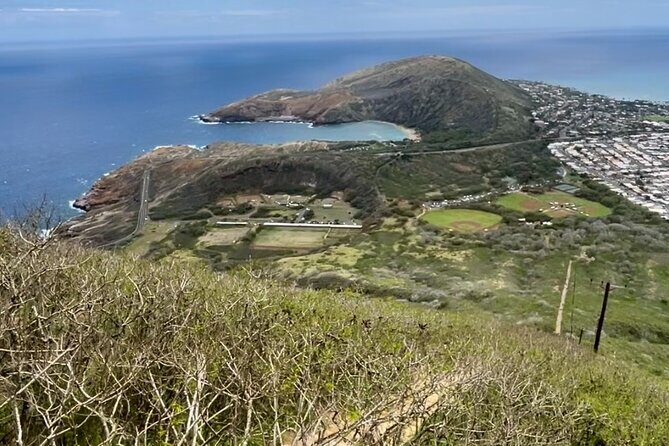
At the top, the rewards are wide and horizontal. You look out over Oahu’s east side, where the coastline and sky get their chance to steal the show. It’s the kind of viewpoint that makes the struggle feel worth it, especially after you’ve earned your sweat.
I also like the “famous but still real” factor here. Yes, it’s all over Instagram. But popularity doesn’t make it less impressive. It just means you should plan to move deliberately and treat it like a climb, not a casual stroll.
You can also read our reviews of more private tours in Honolulu



Private transportation that keeps the day tight (and doable)

This tour is built around one thing: keeping your energy for the hike. You’re picked up and transported to the trail start, then you’re driven back afterward. The timing adds up cleanly: about 30 minutes driving in, about 2 hours hiking, and about 30 minutes driving back. In other words, you get a full experience without chewing up your entire day.
That structure is a big value point for people visiting Honolulu who don’t want to solve logistics. You don’t have to figure out parking, public transit, or the best way to line up at the trail head. You can show up ready, then focus on pacing.
Also, the tour is designed for small-group movement. With a maximum of 4 travelers, you’re less likely to feel like you’re stuck behind a slow line that breaks your rhythm. On a steep hike, rhythm helps.
One practical note: there’s an option to stop for food on the way home. If you plan to eat afterward anyway, that’s a small convenience that can help you avoid turning the day into a two-part scavenger hunt.
What the climb really demands on the old tramway
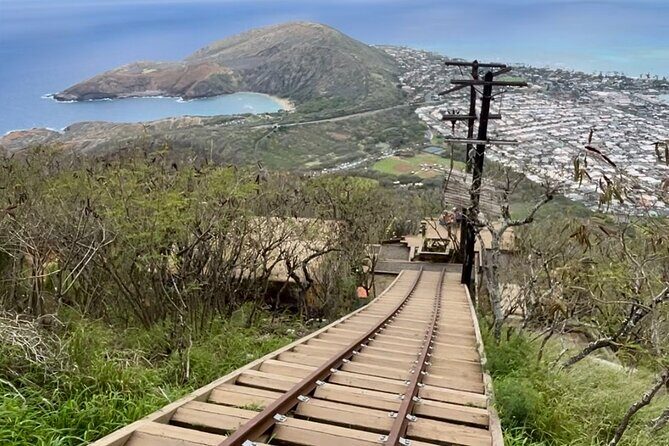
This hike is active. It’s not the right choice if you want something gentle or slow. The trail is famous because it’s steep and because it uses railroad ties as steps, so your legs get that stair-climber burn quickly. If you’re the kind of person who rarely works out, you’ll likely find it more intense than you expected.
The good news: a guided climb helps you manage the effort. Your guide hikes with you both up and down. That means you don’t have to play “figure it out” while your lungs are working overtime. It also helps for pacing—especially if you want to take breaks before you reach the point where your legs start protesting every step.
From the experience details, you should expect that the hardest part is the work of getting your body into a steady cadence. You can’t brute-force this comfortably. You’ll do better if you slow down early, keep your breathing controlled, and treat the climb like a stair session rather than a sprint.
The descent matters too. Going down Koko Head isn’t just automatic. Your knees will notice the slope and the repeated stepping. The guide stays with you on the way down, which helps keep the pace safe and steady.
Summit time: how to use your flexible lookout window
You reach the top and the view opens up over the east side of Oahu. That’s the moment people talk about. But the smarter move is to plan how you’ll spend your minutes up there.
This experience allows you to spend as much time on the top as you’d like. That flexibility is useful because not everyone needs the same amount of recovery. If you’re taking photos, catching your breath, and letting your legs cool down, more time feels good. If you’re ready to head back quickly, you can still keep it moving.
Here’s how I’d approach it:
- Take a few deep breaths before you start snapping photos nonstop.
- Find a spot that gives you a clean view, then build from there.
- Don’t wait until you’re exhausted to take the best shots. By then your timing and stance get sloppy.
One more thing: the summit is where you’ll appreciate having someone with you. When the hike ends, your brain can switch into “how do I get this photo” mode. A guide who’s ready to help with pictures means you don’t spend your best view time wrestling a phone.
Pictures and momentum with Brian (and why the guide matters)
The reviews and experience details point to a consistent theme: the guide really impacts how smooth the day feels. One name you’ll see is Brian, who’s described as a great motivator during the climb. That kind of motivation isn’t just pep talk. It helps when your body wants to quit or when dizziness and fatigue start showing up.
Brian is also noted for constant communication ahead of time. That matters more than you might think. On a steep hike, you want your meeting point and timing to feel locked in. If the plan is clear, you start calmer, and that calm helps your pacing on the first stretch.
On the day of the hike, Brian is also described as making sure people get documented through photos, and even mentioned with a sense of capturing stats. Whether you care most about the photo aspect or the encouragement, having a guide who’s actively engaged reduces the mental load.
There’s another practical piece that came through clearly: Brian checked in closely with the group when someone felt dizzy and even ran back and forth to make sure everything was okay. That’s the real value of guided here. You’re not hiking alone in a situation where it’s physically demanding and your attention might be focused only on the next step.
So if you want the hike to feel like a controlled challenge rather than a solo struggle, this kind of guided structure earns its keep.
You can also read our reviews of more hiking tours in Honolulu






Price and value: what $92 buys you on a steep, guided day
The price is $92, and the question is what you’re getting for that money. In plain terms, you’re paying for three things that many DIY hikers would otherwise have to piece together:
1) Transport to and from the trail start
2) A guide who hikes with you up and down
3) Help with photos, so you don’t lose the best parts of the experience to logistics
On a hike like Koko Head, transport and timing can be a big deal. If you self-organize, you risk spending more time than expected coordinating rides or figuring out where to meet and when. That eats into the energy you planned to invest in the climb.
The small-group cap (up to 4) also nudges the value higher. You’re not in a giant crowd, and your guide can respond to how the group is feeling. Even if you’re an experienced hiker, that personal attention can be worth it on a tough stair climb.
Now for balance: if you’re already comfortable planning your own transport and you hike independently often, you might decide it’s not necessary. But if you want a smooth, supported day with fewer moving parts, this price often makes sense.
Who should book this hike (and who should consider a different one)
This is a must-do if you want a serious workout and you enjoy a clear challenge. It’s also a great match if you like guided direction, especially for steep terrain.
You’ll likely love it if:
- You’re reasonably fit and comfortable with a high-step climb
- You want photos and summit time without figuring out everything solo
- You prefer a small group rather than a large tour crowd
I’d hesitate if:
- You don’t work out regularly at home
- You’re worried about dizziness or fatigue on steep climbs
- You want an easy hike with minimal physical strain
That doesn’t mean you can’t enjoy Koko Head. It means you should go in with realistic expectations. This isn’t about courage. It’s about good pacing and choosing the right intensity for your day.
Practical tips to make Koko Head feel safer and more enjoyable
This tour doesn’t hand you a magic solution for the steepness. You still have to do the work. But you can make the experience smoother with smart choices.
First, treat it like a stair workout. That means steady pace early, frequent small recoveries, and avoiding the urge to race the person next to you.
Second, wear footwear you trust. Railroad-tie steps can be uneven and very demanding on your footing. Good grip helps you stay confident on both up and down.
Third, plan your timing and recovery. Since you’re driving in and out and hiking for about two hours total, you don’t want to schedule the rest of the day as a race. Give yourself a little breathing room afterward so the descent doesn’t ruin your plans.
Finally, if you know you get dizzy in intense situations, tell your guide early. The experience includes guide attention to the group’s condition, and being proactive is the best way to get the help you might need.
Should you book this KokoHead Crater Private Transportation/Group hike?
I’d book it if you want a guided, small-group climb with pickup, a motivated guide like Brian, and summit time where you can take in the east-side views without rushing. The steep stair format makes it a real workout, so the support and pacing matter.
Skip it—or at least consider a different hike—if you’re looking for something easy or you know you don’t handle steep climbs well. Even with a guide, this is still a tough hike with a lot of steps.
FAQ
How long is the Koko Head hike with this tour?
The total experience is about 3 hours. That includes roughly 30 minutes of driving to the trail, about 2 hours of hiking, and around 30 minutes of driving back.
Is pickup included?
Yes. Pickup is offered, and you’re transported out to the trail start and back afterward.
How many steps is the hike to the top?
It’s a climb of about 1,048 steps, made up of railroad ties, up to the top of Koko Head Crater.
Is there time to stay at the summit?
Yes. You can spend as much time on the top as you’d like to take in the views.
What fitness level do I need?
The tour description says travelers should have a strong physical fitness level, and it’s recommended only if you’re up for an active, challenging climb.
What happens if weather is poor?
This experience requires good weather. If it’s canceled due to poor weather, you’ll be offered a different date or a full refund.