REVIEW · HONOLULU
Oahu Grand Circle Island Experience from Waikiki
Book on Viator →Operated by Pearl Harbor Oahu · Bookable on Viator
One day. Big sights. That is the heart of this Oahu Grand Circle loop. I like how it strings together classic lookouts and coast stops without turning the day into a chaotic self-drive puzzle, and I also like that snorkel gear is included, so you can pack lighter.
The main drawback to plan for is time: many stops are short, so you’ll get great views and quick photo time, not long, slow wandering. If you’re the type who hates being rushed, aim to treat this as a highlights-and-habits day, then build a slower beach or food day later on your own.
In This Review
- Key points to know before you go
- Why the Oahu Grand Circle route works in one packed day
- Morning kickoff from Waikiki and airport pickup notes
- Diamond Head to Halona Blowhole: classic viewpoints, quick stops, big payoffs
- Makapu’u, Sandy Beach, and the fast-moving east coast feel
- Kualoa Regional Park and Chinaman’s Hat: the photo that keeps paying off
- Kahuku lunch: shrimp trucks, fruit stands, and the taste of the North Shore
- Shark’s Cove, Waimea, and turtle spotting at Laniakea
- Pua’ena Point snorkeling: the one water stop that can make the day
- Haleiwa time: macadamia samples, shave ice, and shopping breaks
- Dole Plantation and Green World Coffee Farms: sweet stops, quick hits
- What might disappoint you, and how to prevent it
- Should you book this Oahu Grand Circle Island tour from Waikiki?
- FAQ
- What’s included in the tour price?
- How long is the tour?
- Is snorkeling included?
- Do we drive into Diamond Head Crater?
- Are meals included?
- Where does pickup happen if I fly into Honolulu?
- What should I bring?
Key points to know before you go
- Air-conditioned vehicle + Waikiki pickup keeps the morning simple and the heat more manageable
- Diamond Head is viewed from the parking area (not driven into the crater), which shapes what you’ll see
- Snorkeling gear is provided for the optional water time later on the North Shore
- North Shore food and photo stops mix practical lunch time with famous surf scenery
- Multiple short scenic pauses mean you’ll see a lot, but you’ll also move on fast
Why the Oahu Grand Circle route works in one packed day
If you have limited time on Oahu, this tour matches the way most people actually plan: they want the famous views, they want them efficiently, and they want fewer decisions. The schedule is built around that goal. You’ll hit Diamond Head, Halona, the east coast, then swing north for shrimp trucks, surfing spots, turtles, and a final daycap of shopping and treats.
The value here is not just the price. It’s the “you don’t have to coordinate” factor. Pickup and drop-off in the Waikiki area means you avoid the rental car hunt, the parking stress, and the constant map-checking. Add an air-conditioned vehicle and you get a day that feels like sightseeing, not survival.
My other favorite part is the built-in variety. You’re not only staring at scenery. You get viewpoints, a geology stop with real explanation (Halona Blowhole), a food-focused stretch in Kahuku, and an optional snorkeling window. That mix helps the day feel like more than a drive-by checklist.
You can also read our reviews of more tours and experiences in Honolulu.
Morning kickoff from Waikiki and airport pickup notes
Start time is 8:00 am, and the day runs about 10 to 11 hours. That’s a long day, but it’s also how you fit in Oahu’s east and north coasts without turning it into an overnight road trip.
Pickup is included in the Waikiki area. If you’re arriving by air, pickup depends on your airline: Southwest check-in is at Honolulu Airport Terminal 2, baggage claim 31, area 5. Hawaiian Airlines pickup is at Terminal 1, area 1. Plan to be ready a few minutes early so you don’t feel rushed when your group boards.
One small planning tip that matters: this is a maximum 48 travelers day. That usually means the van or bus is set up for group movement, plus there can be multiple hotel pickups before you really settle in. If you care about the smoothest ride or the best spot to hear the guide clearly, you’ll want to choose your seat smart when you board.
Diamond Head to Halona Blowhole: classic viewpoints, quick stops, big payoffs
The east end starts with Diamond Head Crater, but the tour is very clear about how you’ll experience it. You don’t drive into the crater. Instead, you park and view the area from the outside, which is enough to appreciate the scale and get those wide, coastal angles.
From the parking area, you’ll see the Diamond Head Lighthouse area and the Amelia Earhart Marker. The marker ties to her 1935 solo flight from Hawaii to California, and it also gives you a human story to hold onto while you’re looking at the coast. On clear days, you can also get views over Kuilei Cliffs Beach Park and up toward Kahala.
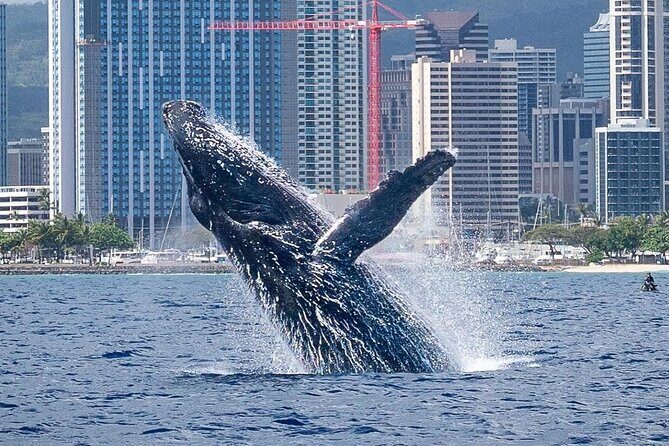
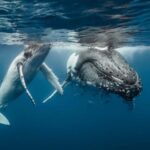
Next comes Halona Blowhole, and this is one stop where the science actually makes the scenery more impressive. The blowhole is connected to ancient volcanic shaping: molten lava tubes formed long ago, and waves push seawater up through those channels. The viewing point can send water shooting up to about 30 feet, depending on conditions. In winter, you might even spot whales nearby.
If you love movie-like coastline drama, Halona and the nearby coves deliver. If you hate waiting, note the stop is around 15 minutes, so bring patience for photos and let the guide do the talking.
Makapu’u, Sandy Beach, and the fast-moving east coast feel
From Halona, the day shifts into drive-by rhythm with a few key “stop-and-look” moments.
You’ll pass Sandy Beach, also nicknamed Broke Neck Beach. Locals also know it as Wāwāmalu. This is mostly about the beach’s surf personality: it’s known for peaky shore break and consistent barrels, which is why you’ll see surfers heading out when conditions line up. Even if you’re not bodyboarding, it’s a good place to understand why the north and east coasts have such different vibes from Waikiki’s calmer shoreline.
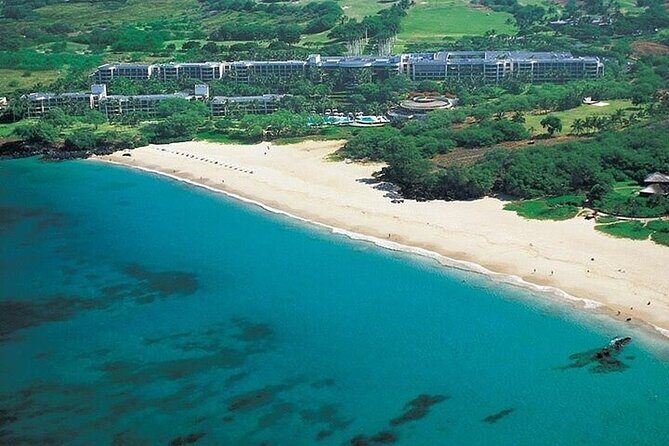
Then you get Makapu’u Body Surfing Beach, below Makapu’u Point, the site of Hawaii’s easternmost tip. Offshore, there’s Rabbit Island, and the lighthouse sits above everything. If you’ve watched the Hawaiian coastline in films, this whole view is the kind of place that gets used for dramatic scenes, including the kind of movie moment you might recognize from 50 First Dates.
One fun detail that helps you “see” it better: there’s a bodyboarding lore stretch here, tied to early hardcore crews. The area’s reputation for ferocious surf is tied to the shore break and the big sets that roll through nearshore.
After the coast viewpoints, there’s a restroom and light buying stop at Hawaii’s Hidden Treasures (Jamies). This is less about a specific attraction and more about giving you a chance to refresh, stretch, and grab small Hawaiian snacks like fruit and pineapple if you want them.
A quick reality check for this part of the day: it’s scenic, but it can feel like motion. The upside is that you’re seeing different angles of the island without committing to a full hike. The downside is you’ll want to keep your phone charged and your sunglasses handy, because you’ll be hopping between sun, shade, and photo stops all day.
Kualoa Regional Park and Chinaman’s Hat: the photo that keeps paying off
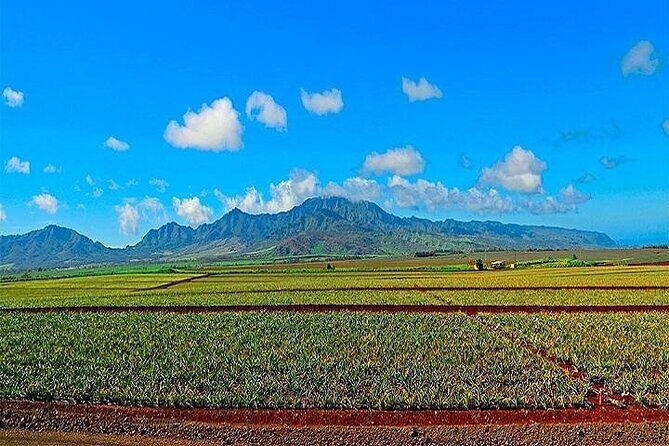
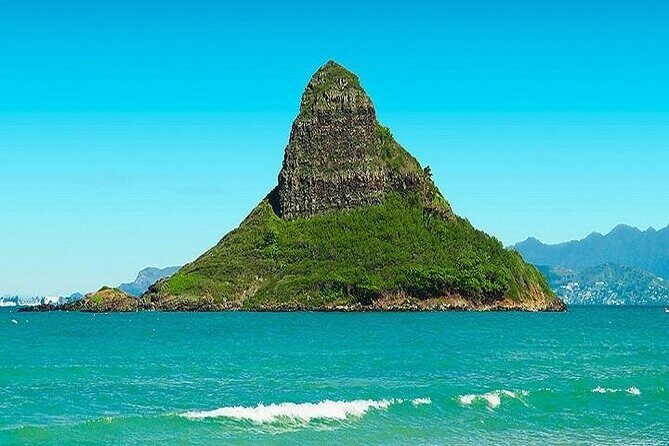
At Kualoa Regional Park, the centerpiece is Chinaman’s Hat, which is also known as Mokolii Island. This is one of those classic Oahu shapes that looks almost too perfect to be real, and it’s a great “anchor view” after earlier stops.
This is also a park where you can get a sense of what the east/north coasts offer beyond surf. The area is known for swimming, picnicking, barbecues, and camping. During your short visit, you mostly use it for photos and restroom time, but it still helps you connect the island’s geology to everyday beach life.
If you’re photographing, aim for the best available angle early in the stop. Like most stops on this route, the time is limited, and the best light can shift faster than you think.

Kahuku lunch: shrimp trucks, fruit stands, and the taste of the North Shore
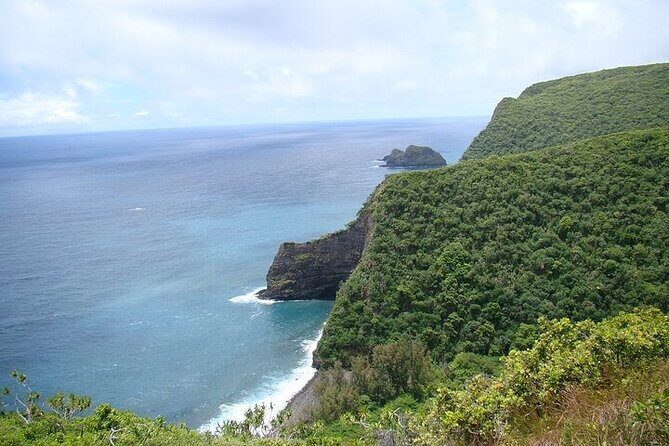
Now the tour really shifts from “views” to “food and surf culture,” starting in Kahuku.
The big lunch moment is Tanaka’s Shrimp Stand. This is the kind of place people plan around when they’re doing a north-shore run. You choose a plate with shrimp flavors like garlic, coconut, spicy, lemon, or plain. Options can include chicken, plus sides like fried noodles, white rice or fried rice. You’ll also find a green salad with selected dressings, and each lunch plate includes a soft drink.
One practical note: cash is preferred at roadside stands and local markets. If you’re used to paying with a card everywhere, set up a small cash plan early so lunch doesn’t become a mini-stress.
Before or after the shrimp, you may also stop at Turtle Bay Fruit Stand, where you can pick local fruits, desserts, and shave ice. This is an easy place to cool off and refuel without committing to a big sit-down meal.
You also pass by Sunset Beach, a famous surf spot with powerful waves. Then comes Bonzai Pipeline, also known as Pipeline, another world-famous lineup. In winter, the waves can be extremely serious, which makes it a great “watching” stop even if you’re not a surfer.
If you’re traveling with kids, this is a good time to keep the energy up: there’s motion, there’s surf drama, and there’s always something to point at from the road.
Shark’s Cove, Waimea, and turtle spotting at Laniakea
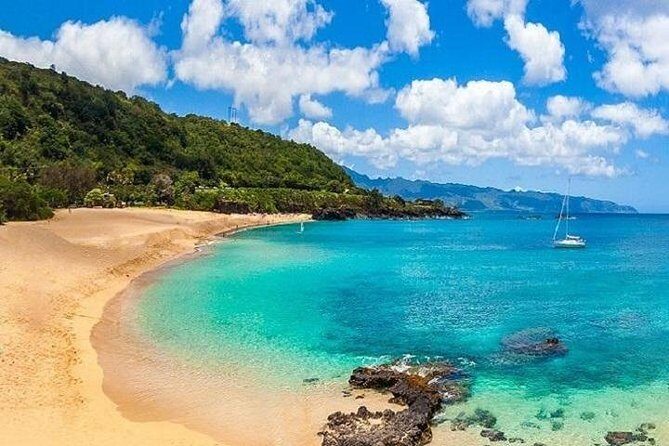
After Kahuku, the tour strings together more drive-by and lookout moments along the north shore.
You’ll see Shark’s Cove at Pupukea Beach Park, known for underwater rock formations and marine life. This area is near the Marine Life Conservation District (MLCD), and it’s also a popular snorkeling spot with shallow depths up to about 20 feet.
Then there’s Waimea, famous for its winter waves, often around 30-foot. In summer, the water calms enough that the area is better for swimming and snorkeling, so it’s a stop where the season changes the meaning.
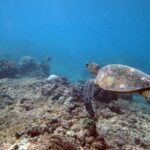
Next is Laniakea Beach, also called Turtle Beach. This is known for being a popular feeding and sunbathing spot for Hawaiian sea turtles, or honu. You’ll commonly see this included on circle-island days because it gives you a real chance at spotting turtles from shore, especially when conditions and timing align.
This set of stops is where the tour earns its nickname: you get the north shore’s “surf postcard” look in a single day. Just keep expectations realistic. Since these are mostly short scenic moments, you’re seeing the signature spots, not spending hours in the water at each one.
Pua’ena Point snorkeling: the one water stop that can make the day

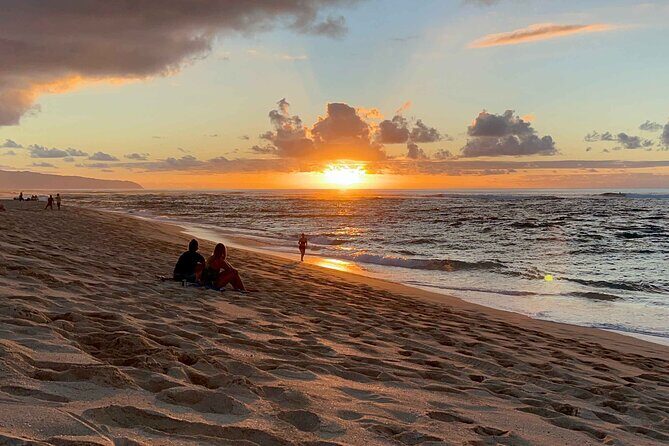
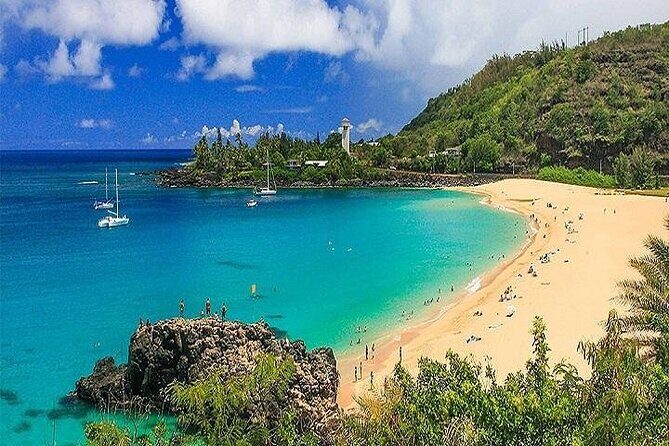
The tour’s main optional swim-and-snorkel window comes at Puaʻena Point Beach Park. The schedule gives you about 1 hour here.
Puaʻena Point is known as a more sheltered area, popular with surfers, and it’s often described as shallow enough to be friendly for beginners learning how to swim, paddle board, or surf. If you’re trying snorkeling for the first time, that shallow, beginner-friendly setup is exactly why this stop fits into the tour.
Here’s what makes this part easy: snorkel gear is included, so you’re not stuck buying or renting equipment at the last minute. You’ll still want to bring your own towel, since towels aren’t included.
Bring your own comfort gear too: reef-safe sunscreen, water shoes if you use them, and a small plan for where you’ll store your phone during snorkeling. This is the part of the day that’s most worth arriving ready.
Haleiwa time: macadamia samples, shave ice, and shopping breaks
After Pua’ena Point, you move to Haleiwa. This is one of the best “human scale” breaks on the tour because it’s not just scenery and salt air. It’s a chance to buy small gifts and taste a few things.
You’ll spend about 30 minutes in Haleiwa with stops like a Macadamia Nut Store, where you can taste free samples of season macadamia nuts and black coffee. There’s also an Asahi fruit stand vibe, plus shave ice and the chance for live music while you shop.
This is a good moment to pick up edible souvenirs: nuts, coffee, or shave-ice style treats to bring back. Just don’t go overboard if you still have Dole Plantation and coffee farm time later.
Dole Plantation and Green World Coffee Farms: sweet stops, quick hits
The afternoon includes two classic add-ons that many people love, even if they’re not “must see” for everyone.
At Dole Plantation, you get about 45 minutes. The focus is on the Dole Plantation store with pineapple-themed souvenirs, local crafts, and specialty foods like jams and dried fruit. The big tasting item is Dole Whip. You can also take a short walk to see Rainbow Eucalyptus trees, known for their colorful, multi-hued bark.
Then you head to Green World Coffee Farms for around 15 minutes. This stop is about sampling and gifts: there are free samples of multiple coffee flavors, including a set of about eight flavors made in Hawaii, plus options to pick up coffee gifts. Dave’s ice cream and shave ice show up here too, so it’s another sweet-cooling moment before you wrap up the day.
Between these two stops, you’ll likely feel like the tour is shifting into “reward mode.” That’s not a bad thing. After a full day of coastline and driving, it’s nice to sit for a few minutes (even if it’s quick) and enjoy something local.
What might disappoint you, and how to prevent it
This tour aims to be efficient and comfortable. Most people get what they came for: a full day of east and north shore highlights with air-conditioned transport and a guide narration.
The issues to watch are practical, not dramatic:
- Sound and narration clarity: there can be situations where it’s hard to hear what the guide says over the vehicle audio. If that matters to you, sit closer to the front or ask the staff if you can adjust seats early.
- Roadside stop comfort: lunch and stand stops can mean flies in outdoor snack zones. Bring insect repellent if you’re sensitive, and keep food sealed until you’re ready to eat.
- Vehicle expectations: with a group size up to 48 and the nature of pickup routing, don’t assume a private-feeling vehicle. If you need a smoother ride or specific seating, confirm details before you go.
The good news is that these are mostly preventable with a little preparation. And the main strengths—pickup convenience, air conditioning, lots of iconic stops, included snorkeling gear—still do most of the heavy lifting.
Should you book this Oahu Grand Circle Island tour from Waikiki?
Book it if you want a single-day plan that covers the island’s most famous coastlines: Diamond Head views, Halona Blowhole, east coast surf spots, then north shore shrimp and surf scenery, plus an optional snorkeling window at Puaʻena Point. It’s also a strong fit if you like having a local guide handle the “where do we go next” job while you focus on photos and food.
Skip it (or choose a different style of tour) if you hate short stops and constant moving. This itinerary is built for checking boxes and learning enough to choose what to do deeper later.
If you do book, I’d suggest packing like this: bring a towel, wear something you can snorkel in, bring sunscreen and a hat, and have a small amount of cash ready for lunch and snacks. Do that, and you’ll turn a long day into a genuinely satisfying Oahu highlight run.
FAQ
What’s included in the tour price?
You get Waikiki-area pickup and drop-off, use of snorkeling equipment, an air-conditioned vehicle, and narration from a local guide. Meals are not included.
How long is the tour?
It runs about 10 to 11 hours.
Is snorkeling included?
The snorkeling opportunity at Puaʻena Point Beach Park is optional, and snorkel gear is included for the tour.
Do we drive into Diamond Head Crater?
No. You view Diamond Head from the parking area rather than driving into the crater.
Are meals included?
No. Lunch is at your own expense. The tour notes that there will be a lunch stop at a roadside stand.
Where does pickup happen if I fly into Honolulu?
Pickup depends on airline: Southwest uses Terminal 2, baggage claim 31, area 5. Hawaiian uses Terminal 1, area 1. Waikiki-area pickup is also included.
What should I bring?
Bring your own towel (not provided) and expect to bring cash for roadside stands and tips, since cash is preferred there.