REVIEW · HONOLULU
Bishop Museum General Admission Ticket
Book on Viator →Operated by Bishop Museum · Bookable on Viator
Bishop Museum feels like a whole education campus. With Hawaiian Hall Complex at the center, it’s one of the best ways to understand Hawaii’s culture and history in a single stop, and the museum’s mix of cultural and science exhibits keeps it moving. I love the way the collections are organized, and I love that the science wing doesn’t talk down to families.
One thing to plan for: this is a big complex. If you only have a couple hours, you’ll miss parts, and some spaces may be closed on certain days (including the planetarium).
In This Review
- Key highlights worth aiming for
- Why Bishop Museum is more than a rainy-day option
- Price and value: what $38.95 buys you
- How long you should plan (and how to pace it)
- A simple route through the museum campus
- Hawaiian Hall Complex: the first stop for context
- Pacific Hall: migrations, settlement, and shared Pacific values
- Planetarium at Jhamandas Watumull: the skies of Hawai‘i and Polynesia
- Richard T. Mamiya Science Adventure Center and the lava moment
- Castle Memorial Building: changing exhibits, worth a quick check
- What makes this museum work for families and first-timers
- When parts of the museum are closed: how to adapt fast
- Practical tips that make a difference on site
- Should you book this Bishop Museum general admission ticket?
- FAQ
- What’s included with the Bishop Museum general admission ticket?
- What optional extras might cost more?
- How long does a visit typically take with general admission?
- Is the ticket mobile, and in what language is it offered?
- Are service animals allowed?
- How does the museum handle bad weather?
- Is there free cancellation?
- Is the museum near public transportation?
Key highlights worth aiming for
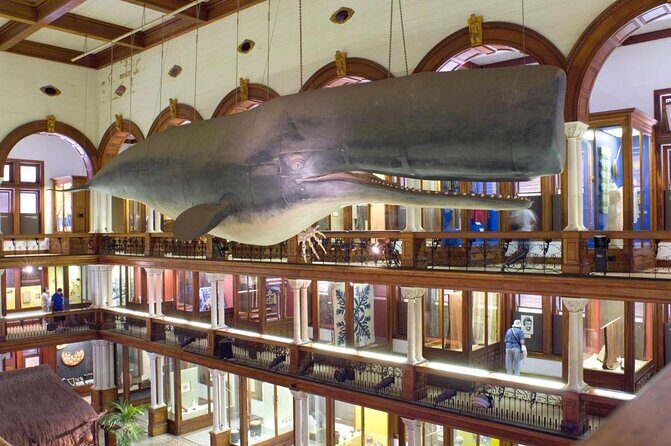
- Hawaiian Hall Complex: a major showcase for Hawaiian history and culture
- Pacific Hall: migration and settlement stories across the Pacific islands
- Jhamandas Watumull Planetarium: sky shows focused on Hawai‘i and Polynesia
- Richard T. Mamiya Science Adventure Center: hands-on science tied to Hawai‘i and Pacific environments
- Live lava melting demonstration: a memorable way to connect geology to daily life
Why Bishop Museum is more than a rainy-day option
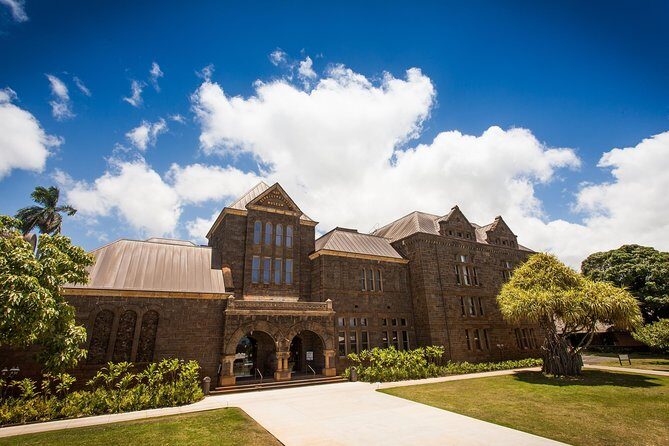
Bishop Museum sits in Honolulu with the feel of a landmark built for long visits. It opened in 1889, and the campus still runs like a learning center rather than just a room of artifacts. If you want a clear sense of where Hawaiian culture fits in the wider Pacific, this is the kind of place that gives you structure.
What I like most is the balance. You can spend time with Hawaiian history and traditions, then switch gears to astronomy and geology without it feeling like a random detour. It’s a museum that helps you make connections.
And yes, it works when weather turns rough. It runs in all weather conditions, so you’re not stuck planning only for sunny hours.
You can also read our reviews of more tours and experiences in Honolulu


Price and value: what $38.95 buys you
At $38.95 per person, the ticket is priced for a serious museum day. You’re paying for general admission to a large campus with multiple specialty buildings, not just one main gallery. If you use that time well, the value comes from volume and variety.
Here’s the honest part: if the planetarium show isn’t running during your visit or you end up focusing only on a single building, you may feel the price more. Also, some parts of the campus can be closed, which can cut into your plan. That’s why I treat this as a half-day minimum, not a quick in-and-out.
So the smart move is simple: build a schedule that doesn’t depend on every single show happening.
How long you should plan (and how to pace it)
The ticket is good for a visit that can run from 1 to 8 hours, which tells you the museum expects you to choose your depth. For many people, about 3 to 5 hours hits a sweet spot: you can see the major halls and get into the science area without rushing.
If you read slowly and you like looking closely at artwork, tools, maps, and displays, plan closer to the longer end. One review note that the place is huge and best with more time than you think.
My practical pacing tip: do the cultural halls first, then leave the science and planetarium for later. That way, if you’re running short on time, you still start with the core story of Hawaiian and Pacific culture.
A simple route through the museum campus
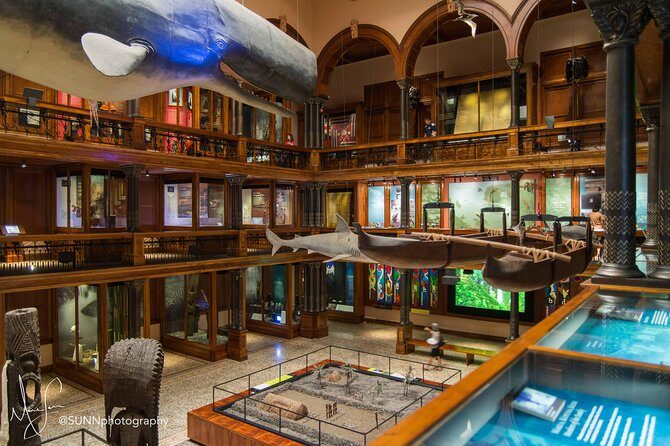
Think of the Bishop Museum experience as five “worlds” that are connected by theme. Start with the major cultural exhibits, then move into astronomy and science, then check the smaller changing-exhibit building at the end.
The campus includes:
- Hawaiian Hall Complex
- Pacific Hall
- Jhamandas Watumull Planetarium
- Richard T. Mamiya Science Adventure Center
- Castle Memorial Building
If your goal is maximum learning, don’t try to sprint. Give yourself time to compare sections: how the museum explains origins and migrations in one area, then switches to skies and volcanic formation in another.
Hawaiian Hall Complex: the first stop for context
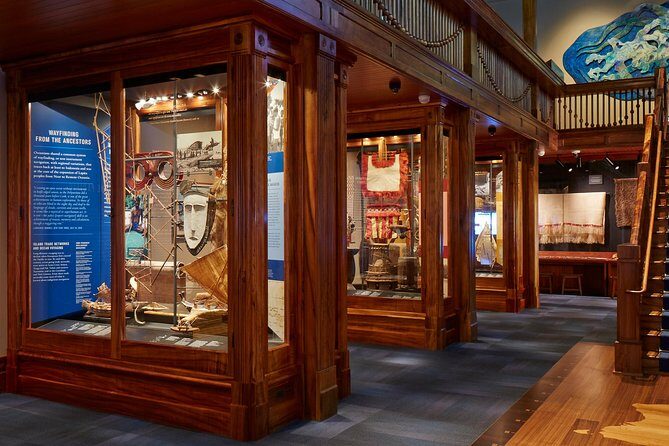
Hawaiian Hall Complex is the core of the museum. It’s described as the world’s premier showcase of Hawaiian history and culture, and the museum is built around that focus. Expect exhibits that help you understand traditions, community life, and the long arc of Hawaiian history.
This is the place where you’ll likely slow down. The displays are set up for learning, and it’s easy to start noticing details you’d miss if you skimmed. If you want your visit to feel meaningful, this is where you anchor it.
Potential drawback: because this hall matters so much, it can take longer than you plan. If you’re time-crunched, set a “minimum” goal for Hawaiian Hall first, then decide what you can afford to cut.
You can also read our reviews of more museum experiences in Honolulu
Pacific Hall: migrations, settlement, and shared Pacific values
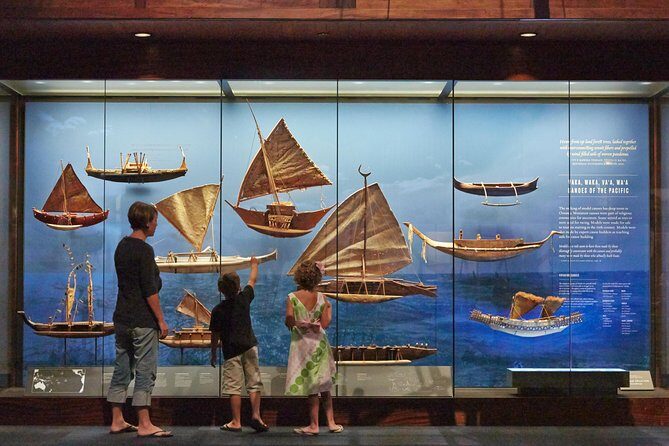
Next up is Pacific Hall, which focuses on origins, culture, and values of Pacific peoples. This is where the museum helps you see movement and connection across the Pacific rather than treating each island story as isolated.
One of the most compelling parts here is the emphasis on migration and settlement. You’ll see large mapping and explanations tied to the origins of Hawaiian people, including the idea of Indigenous origins. It’s not just facts on a wall; it’s built to give you an overall picture.
If you love history but also want a “why this matters” feel, this hall tends to deliver. The exhibits are wide enough that you can spend time with one area that interests you, then expand outward.
Planetarium at Jhamandas Watumull: the skies of Hawai‘i and Polynesia
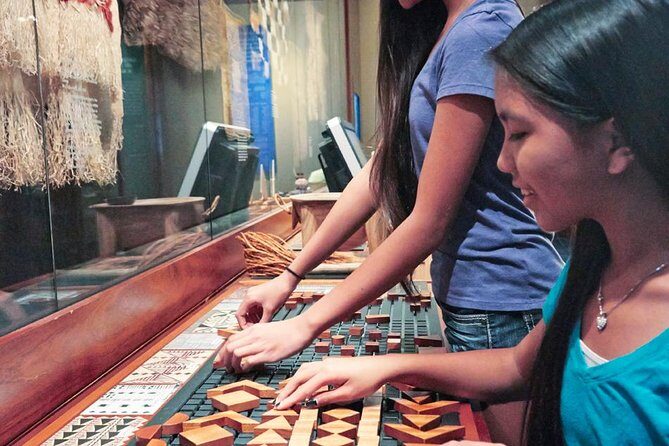
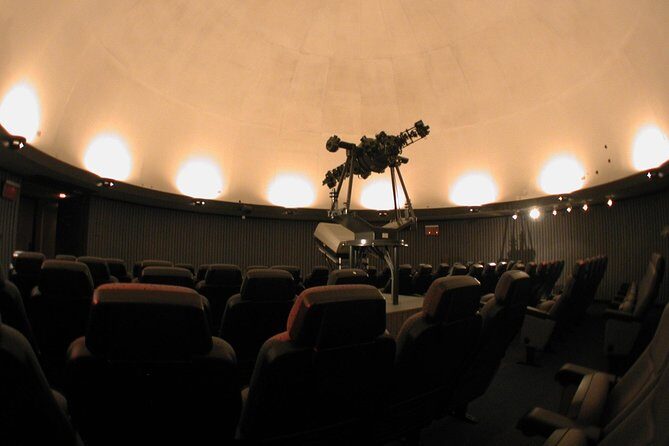
Inside Jhamandas Watumull Planetarium, the focus is on the skies of Hawai‘i and Polynesia, framed in ways ancient travelers once did. That’s a distinctive angle, and it helps connect astronomy to navigation and tradition.
Here’s the practical point: a planetarium show is optional. Even when it’s available, it may not be open during your visit, depending on the day. Reviews include examples where the planetarium was closed, so I’d treat it as a “nice-to-have,” not your only reason for coming.
If the planetarium is running while you’re there, it’s one of the best ways to make the museum feel like more than static exhibits. The sky theme also pairs well with what you’ll see later in the science center.
Richard T. Mamiya Science Adventure Center and the lava moment
The Richard T. Mamiya Science Adventure Center is the museum’s science engine. It’s designed for interactive learning, and it ties science to Hawai‘i and Pacific environments. Expect topics like lava and how the Hawaiian Islands form.
One of the highlights here is the live lava melting demonstration. That kind of hands-on spectacle tends to stick in your memory, especially if you’re traveling with kids or you learn best by seeing something in action.
The only caution: reviews mention cases where parts of the lava demonstration weren’t running as expected, including notes about the demonstration not happening in the way people planned. So, on the day you go, check the schedule on site and ask staff what’s running.
Castle Memorial Building: changing exhibits, worth a quick check
Castle Memorial Building is where the museum adds changing exhibits for limited time periods. It can be a good stop if you’re the type who likes variety and likes catching whatever theme is currently on display.
But plan it as flexible. Some feedback points to the building not being the highlight when certain elements aren’t open, and one note specifically suggested it wasn’t worth the detour for their day. Since it’s tied to changing exhibits, your experience here depends on what’s up during your visit.
I recommend doing it near the end, after you’ve already absorbed the main story in Hawaiian Hall and Pacific Hall. That way, if Castle doesn’t wow you, you’re not sacrificing the most important parts.
What makes this museum work for families and first-timers
If you’re traveling with kids, the Bishop Museum campus can feel like two different attractions stacked together: culture you can talk about, plus science kids can touch and watch. The Science Adventure Center is particularly helpful here because it’s interactive and focused on local geology.
For couples and solo visitors, the appeal is different. You’re not just looking at objects, you’re tracing connections: Hawaiian history with wider Pacific migrations, then the sky and the island formation. It’s a logical sequence if you pace it.
For first-timers to Hawai‘i, it’s also a strong starting point. It helps you understand the islands beyond beaches and resorts by giving you the cultural and scientific context that shows up in everyday life.
When parts of the museum are closed: how to adapt fast
Even on a good day, museums can have sections closed. Reviews mention closures affecting the planetarium and some building areas, and that can change how your time feels.
If you show up and find something you planned for isn’t available, don’t panic. Redirect your time to what’s open and keep the day cohesive:
- Spend extra time in Hawaiian Hall Complex for cultural depth
- Expand your focus in Pacific Hall for origin and migration context
- Use the Science Adventure Center as your “flex anchor” since it’s more hands-on
This is also why I suggest arriving earlier. If you have morning energy, you can re-plan on the spot without rushing.
Practical tips that make a difference on site
Plan to walk. The campus is spread across multiple buildings, and it’s easy to rack up steps while moving between themes. The experience also lists a moderate physical fitness level, so you’ll want comfortable shoes.
Also, don’t treat the museum like a timed checklist. One of the best pieces of advice from the reviews is to go early and give yourself enough time to take it all in. If you arrive late, the closed hours start to bite, and you miss the chance to linger.
Finally, photography matters here. The museum’s buildings and exhibits include strong architectural features and lots of displays people love to capture. If photos are your thing, keep your breaks short and your viewing time long.
Should you book this Bishop Museum general admission ticket?
I’d book if you want a high-value day of Hawaiian and Pacific context, especially if you’re curious about how culture connects to navigation, astronomy, and geology. The Hawaiian Hall Complex and Pacific Hall are the kind of stops that make your whole trip feel more informed, not just more crowded with things to do.
I’d think twice if you’re the type who needs everything to be perfectly scheduled. Because the planetarium show is optional and can be closed on certain days, and because some sections may not be open, this ticket is best when you’re flexible with your day plan.
If you have a half-day to give, you’re in the sweet spot. With 3 to 5 hours, you can do the core halls and still have time for science.
FAQ
What’s included with the Bishop Museum general admission ticket?
Your ticket includes general admission to Bishop Museum.
What optional extras might cost more?
Parking fees are optional, and there may also be optional planetarium show tickets and special exhibit fees.
How long does a visit typically take with general admission?
The visit duration is listed as approximately 1 to 8 hours, depending on how much you want to see.
Is the ticket mobile, and in what language is it offered?
Yes, it’s a mobile ticket, and it’s offered in English.
Are service animals allowed?
Yes, service animals are allowed.
How does the museum handle bad weather?
The museum operates in all weather conditions, and you should dress appropriately.
Is there free cancellation?
Yes. You can cancel up to 24 hours in advance for a full refund. If you cancel within 24 hours of the start time, the amount paid will not be refunded.
Is the museum near public transportation?
Yes, it’s near public transportation.