REVIEW · HONOLULU
Rock-A-Hula Ticket
Book on Viator →Operated by Star of Honolulu Cruises and Events · Bookable on Viator
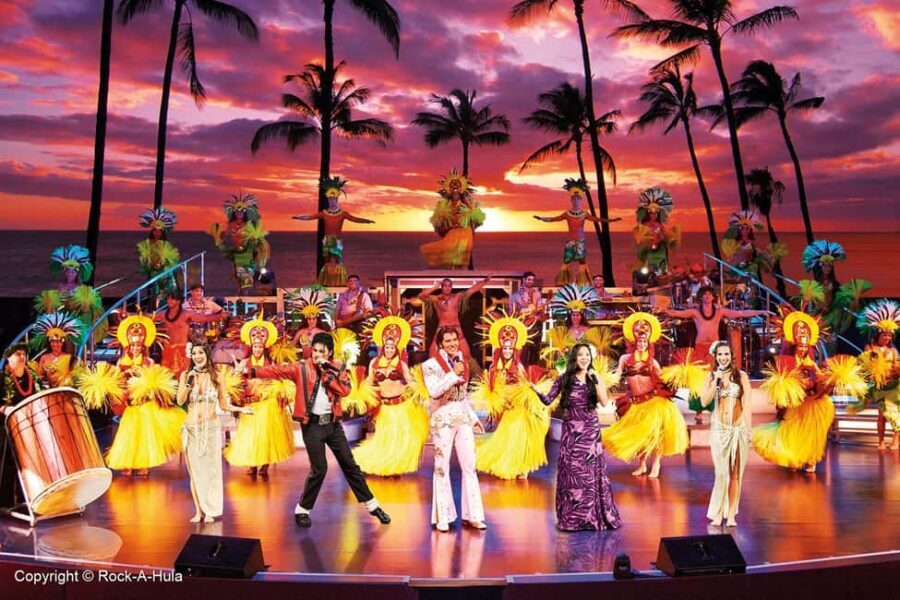
The stage is a time machine. Rock-a-Hula is a high-energy Honolulu show that tracks Hawaii’s music and dance changes from the 1920s to today, with live musicians, big costumes, and strong visual storytelling. It runs in Waikiki’s Royal Hawaiian Theater and feels like a real production, not just background entertainment.
I especially love the way the show moves through styles, from classic hula references to more modern pop-rock sounds you’ll recognize. The other big win for me is the fire knife dance and other dramatic stage moments that keep your eyes up even when the music shifts genres.
One thing to consider: the format includes Western pop and impersonator-style segments, so if you’re craving only traditional Hawaiian performances, you may find the mix less focused than you hoped.
In This Review
- Key things to know before you go
- Rock-a-Hula at the Royal Hawaiian Center: What you’re really buying
- Seats, theater comfort, and why the 7:15 pm start works
- The show’s core idea: Hawaii’s music and dance timeline on one stage
- Elvis, Michael Jackson, and the trade-off between fun and tradition
- Fire knife dance and the stage moments you should watch for
- Meet & greet with the cast: worth it for the human side
- Price and value: does $99 make sense in Waikiki
- Who should book, and who might want a different kind of night
- Quick planning tips for a smooth night out
- Should you book Rock-a-Hula? My call
- FAQ
- What time does the Rock-a-Hula show start?
- How long is the Rock-a-Hula show?
- What’s included with the Rock-A-Hula ticket?
- Is the ticket mobile?
- What happens if weather causes a cancellation?
- Can I cancel for free?
Key things to know before you go
- 750-seat Royal Hawaiian Theater with comfortable seating and easy sightlines
- Fire knife dance and other big stage acts that deliver the wow factor
- A live band plus dancers and singers, with footage-style visual cues from real concerts
- Meet & greet with the cast included, which is a nice step beyond just watching
- General seating and a small tour size (max 10) for a calmer start to the night
Rock-a-Hula at the Royal Hawaiian Center: What you’re really buying
This ticket is essentially for one focused evening experience: a live show called Rock-A-Hula presented as the Hawaiian Journey by Waikiki’s Biggest Show. You’re paying for a polished production in a real theater, with live performers, not a watered-down dinner-and-sit-down setup.
At $99 per person for general admission, the value hinges on what you want out of Waikiki at night. If you want a single-event plan that’s simple, comfortable, and built around performance quality, this fits well. It also helps that the show is designed to cover a wide stretch of Hawaii’s musical evolution rather than staying in one era.
The experience also includes more than entry. You get admission to the show with general seating and a meet & greet with the cast. That added access matters because it turns the night into an actual interaction, even if it’s brief.
You can also read our reviews of more tours and experiences in Honolulu


Seats, theater comfort, and why the 7:15 pm start works
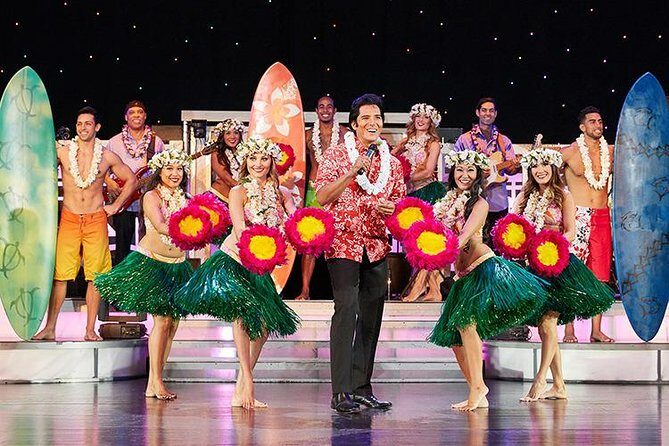
The show starts at 7:15 pm and runs about 1 to 3 hours. That timing is great for travelers who have already spent the day doing beach time, hiking, or surfing lessons and just want a clear plan for dinner-adjacent hours.
The theater is the kind you notice right away: a 750-seat, multimillion-dollar Royal Hawaiian Theater. It’s not just big; it’s set up for audiences to watch comfortably. Many people appreciate that there aren’t truly bad seats, and the seating tends to feel soft and spacious rather than cramped.
Because your ticket is general seating, you’ll want to arrive in time to settle, get a good view, and avoid rushing right before the band starts. Also, dress for a typical Waikiki evening: the show runs in all weather conditions, and the operator notes you should dress appropriately.
The show’s core idea: Hawaii’s music and dance timeline on one stage
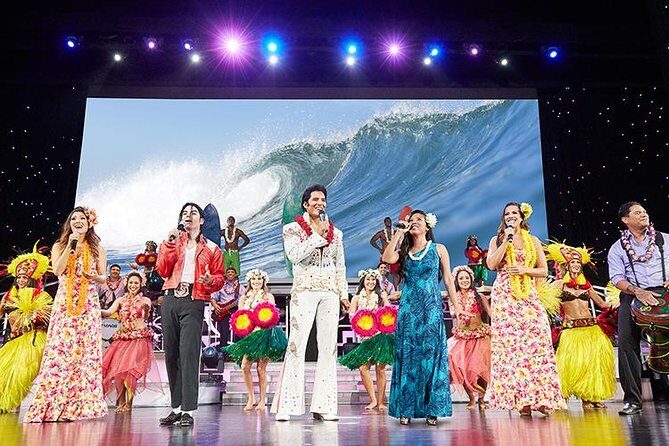
The big concept behind Rock-A-Hula is not just hula as a single snapshot. It’s a storyline of how music and dance in Hawaii changed over the decades, from the 1920s through modern day. You see that through shifts in song styles, costume choices, and choreography.
One of the most interesting parts is that the production doesn’t treat the evolution as a museum display. It treats it like a living, performed history. You’ll recognize the change in energy as the show moves from more classic hula references into more contemporary performance styles.
The show also leans into stagecraft. There’s a live band driving the rhythm, dancers moving as a visual “timeline,” and captivating imagery that shows the feel of actual concerts. That combination helps you follow the big-picture message even if you don’t know every term related to Hawaiian music.
Elvis, Michael Jackson, and the trade-off between fun and tradition
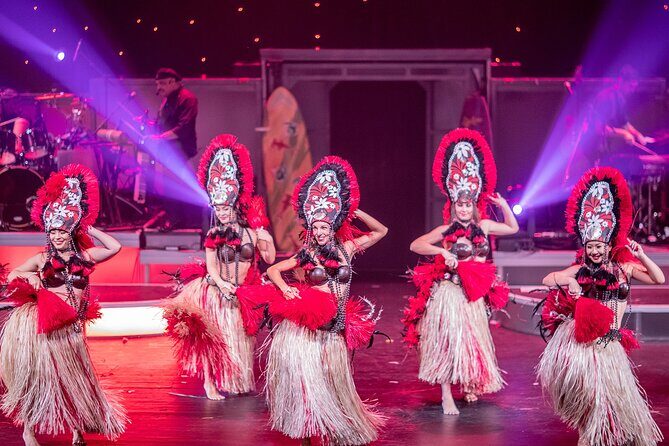
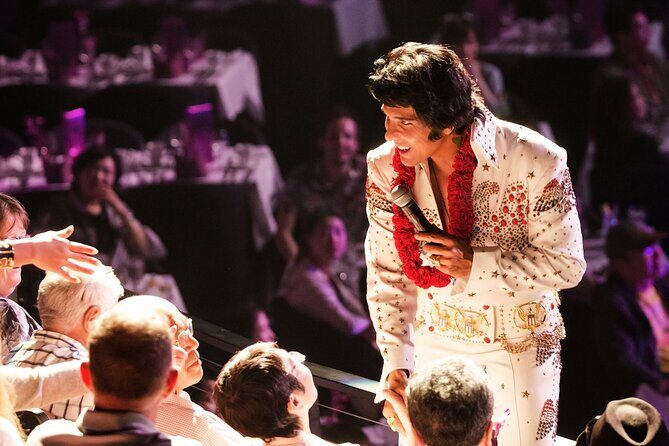
Here’s the honest balancing act. A large part of the show’s entertainment value comes from performers channeling Elvis Presley and Michael Jackson moments, plus other high-energy acts. In many cases, those segments are precisely what make the show feel like a must-do Waikiki night for visitors who want energy and recognizable entertainment cues.
But that’s also the drawback for some people. The production is not only traditional Hawaiian. It’s partly a modern audience-friendly version of Hawaii’s influence and musical crossover. Some viewers loved the impersonator segments as highlights, while others felt the show leaned too far toward rock-and-pop style and wanted more Hawaiian music focus.
So my practical advice is this: go in expecting a show that uses Hawaiian culture as a foundation, while also referencing how Western sounds reshaped Hawaii’s popular music. If your goal is a traditional-only hula evening, you might want to pair this with a more specifically Hawaiian cultural performance. If your goal is a night you’ll remember because it’s fun and theatrical, this will likely land.
Fire knife dance and the stage moments you should watch for
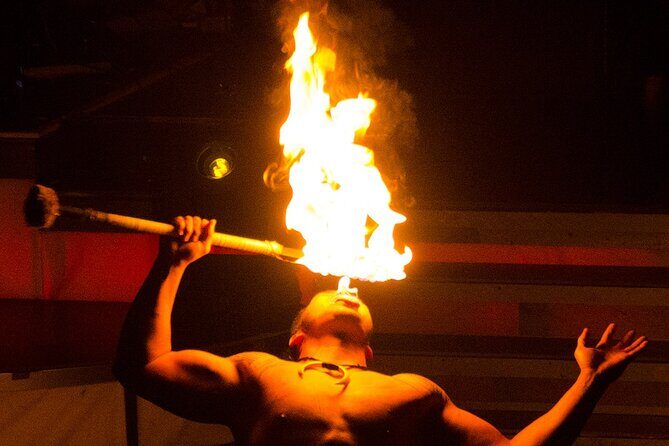
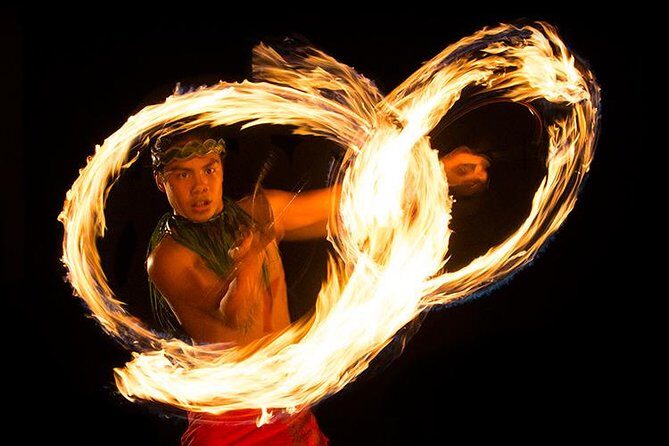
The show’s most talked-about “stop the scroll” moment is the fire knife dance. If you’re sitting down thinking this will be pleasant but low-key, the fire act will reset your expectations. It’s the kind of performance where lighting, music pacing, and dancer control all work together, and the audience attention tightens instantly.
Even outside the fire segment, the stage is built around momentum. You’ll see variety in how the dancers move—some portions focus on classic hula expression, while other portions look more like high-impact modern choreography. That mix helps the show avoid feeling repetitive.
Also pay attention to how the band interacts with the dancers and singers. When the sound levels are balanced, the whole production lands as one unit. On some nights, people note the band can run loud enough that vocals aren’t always as clear as you’d like. That doesn’t mean the show fails; it just means if you care a lot about hearing every lyric, you may want to sit where you feel the sound locks in best.






Meet & greet with the cast: worth it for the human side
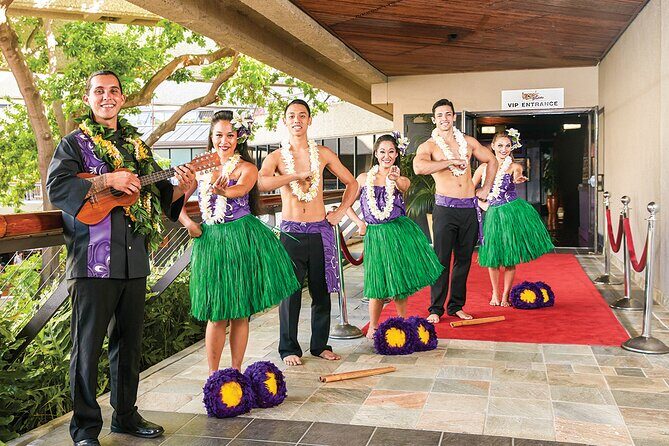
A lot of Waikiki shows stop at the curtain call. This one adds a meet & greet with the cast included in your general admission.
That matters more than you might think. When dancers, singers, and musicians come out after performing, the whole evening feels more respectful and personal. It also gives you a chance to connect the faces to the skill you just watched, especially if you came with family or you want your kids or teens to feel like the performers are real people, not just figures on a stage.
Keep your expectations practical. This is still a theater show with a schedule, so the meet-and-greet is not a long hang. But it’s enough to make the night feel less like you just bought tickets and sat through something.
Price and value: does $99 make sense in Waikiki
At $99 per person, you’re paying for three things: a real theater setup, live performance talent, and the added meet-and-greet. In Waikiki, that price usually means you’re in the “proper show” category rather than casual entertainment.
So the value check comes down to your priorities:
- If you want one compact evening plan with big production value and clear entertainment beats, this is a fair price.
- If you’re highly sensitive to audio balance (for example, wanting vocals front and center all night), you might want to consider that the band can be louder than some singers at certain points.
- If you specifically want purely traditional Hawaiian music and dance, the mix of Western-influenced pop segments may feel like a mismatch.
My take: for most visitors, it’s a good “time well spent” ticket because it’s designed to work for a wide age range and keeps the stage energy moving.
Who should book, and who might want a different kind of night
I’d book Rock-a-Hula if you’re:
- Doing a first-time Honolulu trip and want a single show that covers multiple eras
- Traveling with family and want something that works for kids and adults
- Interested in how Hawaii’s music changed over time, even when it blends with outside influences
- Ready for a lively, theatrical production with big stage acts
I’d pause before booking if you:
- Want a strictly traditional Hawaiian hula night with minimal outside musical influence
- Are mainly there for vocal clarity and lyric detail, and you’re easily bothered by a loud band
- Prefer fewer impersonator-style segments and more focus on Hawaiian-only musical forms
Quick planning tips for a smooth night out
This is a mobile ticket experience, and confirmation comes at booking. Bring the ticket on your phone so check-in is fast.
Because the show is operating in all weather conditions, dress for comfort and changing evening temperatures. Waikiki evenings can shift, especially after sunset, and you’ll sit through a full production.
Also, plan your timing with the 7:15 pm start in mind. If you eat late, you’ll feel rushed. If you arrive too early, you may spend time waiting. Aim for a calm middle: early enough to settle, not so early you lose your evening rhythm.
Lastly, since the maximum group size is 10 travelers, you’ll likely feel less like you’re stuck in a large crowd at the start of the night. That small-group feel can help the meet-and-greet flow better.
Should you book Rock-a-Hula? My call
If you want a Waikiki night that’s easy to plan, big on stage energy, and built around a clear story of Hawaii’s music and dance changes, I’d book it. The fire knife dance, the live band, and the way the production blends eras make it memorable, even if you’re not a dance expert.
If your dream Hawaii night is strictly traditional hula with no pop influence, this might not match your idea. In that case, use this show as a contrast piece—or look for a performance that stays narrowly focused on Hawaiian music forms.
For most people, though, it’s a solid value: comfortable seating, a polished show, and a meet & greet that gives you an extra touch of connection.
FAQ
What time does the Rock-a-Hula show start?
The Rock-a-Hula experience starts at 7:15 pm.
How long is the Rock-a-Hula show?
The show experience runs for about 1 to 3 hours.
What’s included with the Rock-A-Hula ticket?
Your ticket includes entrance to the Rock-A-Hula show with general seating plus a meet & greet with the cast.
Is the ticket mobile?
Yes. You’ll receive a mobile ticket.
What happens if weather causes a cancellation?
The show is stated to operate in all weather conditions, but it also notes that if it’s canceled due to poor weather, you’ll be offered a different date or a full refund.
Can I cancel for free?
Yes. You can cancel for a full refund up to 24 hours before the experience starts. If you cancel within 24 hours of the start time, the amount paid is not refunded.