REVIEW · HONOLULU
Pearl Harbor with USS Arizona and Hawaiian Kingdom History Tour
Book on Viator →Operated by Go Tours Hawaii · Bookable on Viator
Pearl Harbor hits like a drumbeat. I like how this tour pairs the USS Arizona Memorial with Honolulu’s bigger story, from monarchy to statehood, using a guided day that keeps you moving without feeling frantic. Two things I really love are the included USS Arizona ticket (so you do not scramble for entry) and the convenience of air-conditioned round-trip transport from Waikiki.
I also appreciate the way the tour stitches together what happened in December 1941 with what was already here—royal power, political buildings, and the places where modern Hawaii runs its government. When the guide is a local, names like Canoe, Kanoe, Rockie, Ricky, Robert, and Bob show up in the guide roster, and that local voice tends to make the day feel more personal than a checklist.
One thing to consider: Pearl Harbor is strict about rules on-site, and your timing can hinge on how the day’s entry slots work. If you dislike rules (bags, meeting points, waiting), you’ll want to plan for extra patience and follow instructions closely so you do not get stranded away from the group.
In This Review
- Key Things I’d Tell a Friend Before You Go
- USS Arizona Memorial: What the Film and Boat Ride Do for You
- Pearl Harbor Historic Sites Visitor Center and Road to War: The Context You’ll Appreciate Later
- Honolulu’s Royal Symbolism: King Kamehameha Statue and Iolani Palace
- Downtown Honolulu to Hawaii State Capitol: Kingdom to Modern Government
- Mission Houses Museum and Kawaiahao Church: Small Stops With Big Texture
- Waikiki Pickup and an Air-Conditioned Ride: How to Make the Day Feel Easy
- Price and Value: What $57 Buys You (and What Might Still Cost Time)
- Who This Tour Is Best For
- Should You Book This Pearl Harbor and Hawaiian Kingdom History Tour?
- FAQ
- How long is the tour?
- What is the price per person?
- Does the tour include pickup from Waikiki?
- Is the USS Arizona admission included?
- What language is the tour offered in?
- Is there a group size limit?
Key Things I’d Tell a Friend Before You Go
- USS Arizona Memorial includes a Navy-operated boat plus the film, which sets the emotional tone before you reach the waterline.
- Pearl Harbor Visitor Center and Road to War give you context you can’t get from photos alone.
- Waikiki pickup and drop-off keeps the day simple, with a limited group size (max 24).
- Honolulu’s royal and political stops make this more than just a World War II trip.
- Iolani Palace can be time-limited, so set expectations for quick viewing versus a long interior tour.
USS Arizona Memorial: What the Film and Boat Ride Do for You
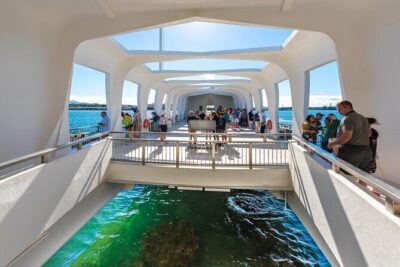
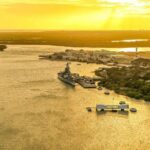
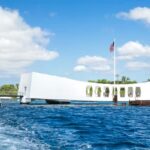
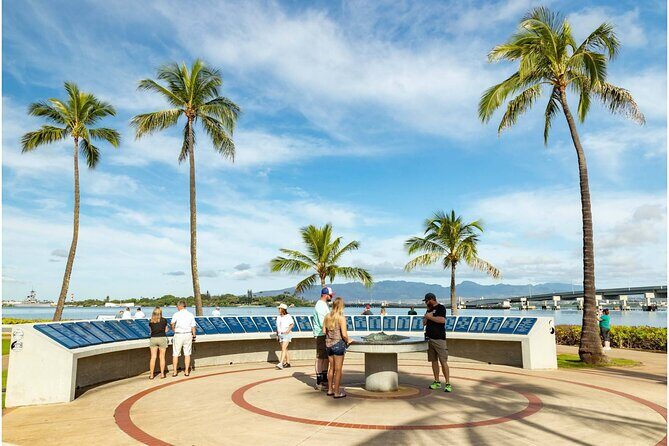
Your day starts at the USS Arizona Memorial, and it’s smart that the experience begins with the film. Even if you think you already know the basics, the short movie gives you names, dates, and cause-and-effect in the right order, so when you finally reach the memorial you are not piecing it together on the fly.
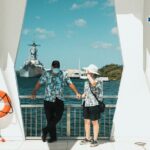
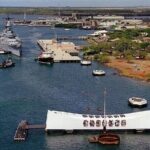
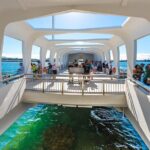
Then you board a Navy-operated vessel for the crossing. That step matters more than people expect. Being on the water creates a physical sense of distance—how close the attack reached, how contained the moment feels, and how the memorial sits right over the submerged battleship. It’s not a theme-park ride; it’s quiet and focused, and your time at the memorial is long enough for reflection instead of a quick photo stop.
One practical note: the memorial area is controlled. The more you treat this like a ceremony (minimal delays, follow staff instructions, and keep your group meeting points in mind), the smoother it goes. A couple of unhappy experiences in the feedback data point to confusion when people were missing instructions about where to go next—so do yourself a favor and pay attention to the guide’s exact cues when you arrive and when you’re leaving.
Also, I love that the visit is not just “watch and walk away.” One review specifically noted they did not expect to go onto the memorial itself due to Navy work in the area, but they were able to access the memorial. That’s the kind of detail you want: the day still delivers the real thing.
You can also read our reviews of more historical tours in Honolulu

Pearl Harbor Historic Sites Visitor Center and Road to War: The Context You’ll Appreciate Later
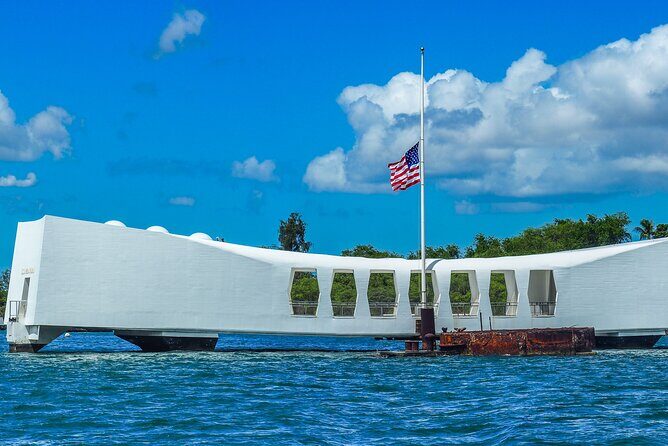
Right after the memorial, you head to the Pearl Harbor Historic Sites Visitor Center. This is where the trip earns its “more than a drive” label. The centerpiece is the Road to War exhibit, which uses artifacts, photographs from the attack, interviews, and personal mementos to connect the dots between events that led up to December 7 and what followed.
This part is valuable because it slows you down in the right way. At the memorial you feel the moment. At the Visitor Center, you learn the scaffolding—why Hawaii’s situation mattered, how the attack reshaped the timeline, and how the ripple effects moved far beyond the islands.
The Visitor Center also helps with something that first-timers often need: it gives you story order. Without that, Pearl Harbor can feel like a list of images. With it, you walk out with a mental map you can revisit when you talk to your family on the flight home.
Time is the main consideration here. The memorial and Visitor Center are both timed into the day, so you’re not doing this as an all-day research project. But you do get a solid block of time for the film plus the memorial and then about an hour at the Visitor Center, which is enough to absorb the big points if you move efficiently.
Honolulu’s Royal Symbolism: King Kamehameha Statue and Iolani Palace
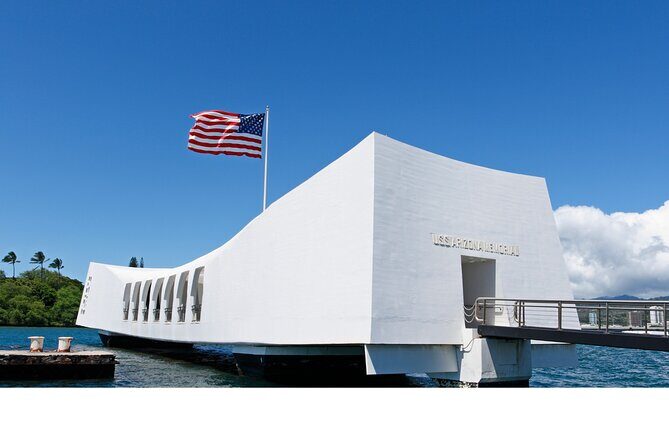
After Pearl Harbor, the tour shifts gears into Honolulu’s royal world. That switch can feel surprising at first—then it clicks. You start understanding that the islands had political identity and cultural leadership long before any 20th-century war story.
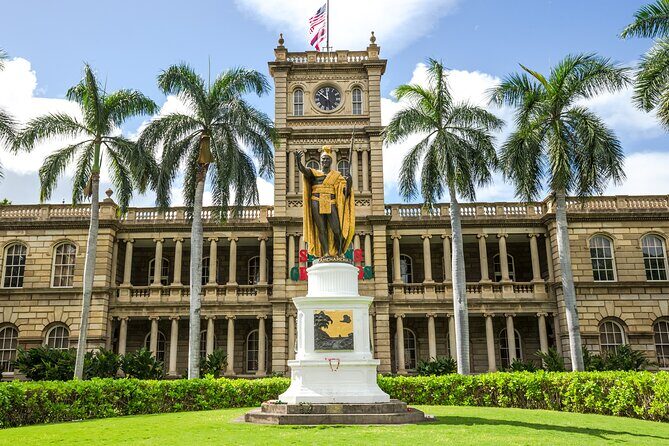
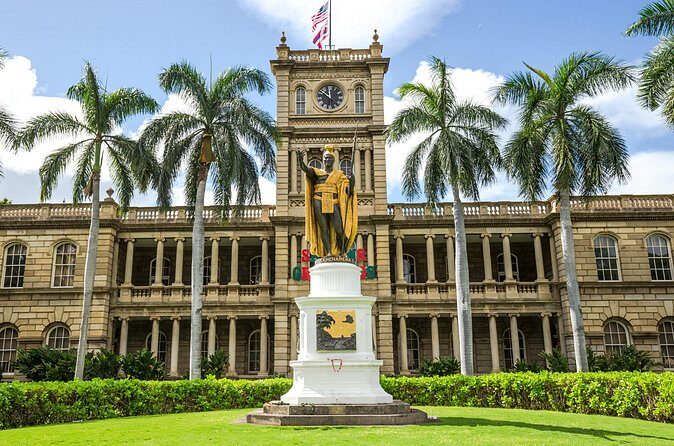
You’ll stop at the King Kamehameha Statue, a huge bronze monument depicting King Kamehameha I. The details are worth remembering because they make the statue more than a photo spot: it’s about 18 feet tall, weighs over 15,000 pounds, and was commissioned in 1878 by King David Kalakaua. The sculptor was Thomas Ridgeway Gould. When you know that backstory, the pose starts to mean something—power plus a stated idea of peace.
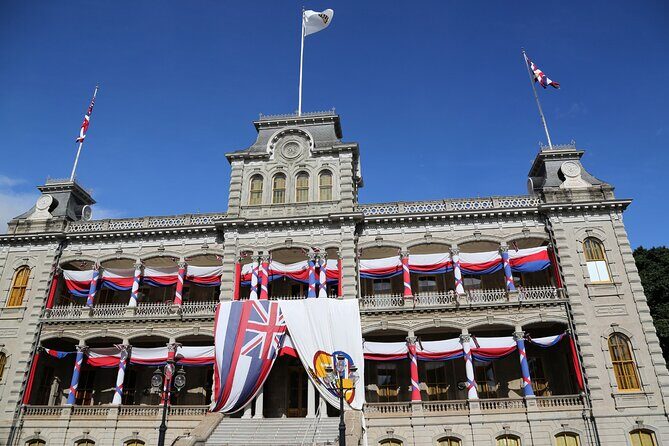
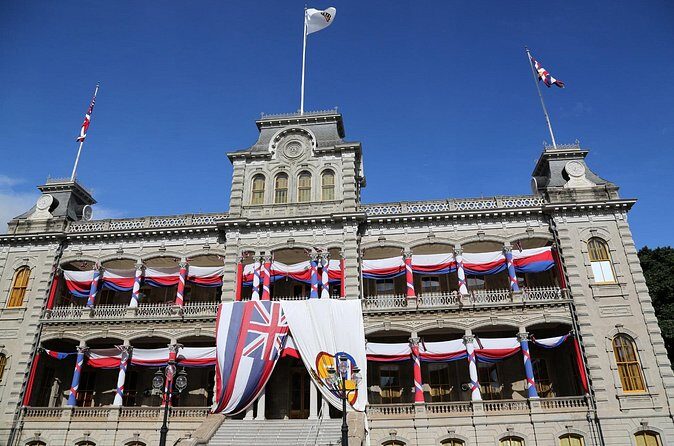
Next comes Iolani Palace, and it’s one of those places you have to see to believe. It’s the only royal palace in the United States. Built in 1882 during King David Kalakaua’s reign, it served as the official residence of Hawaiian monarchs until the overthrow of the Hawaiian Kingdom in 1893. You also get a sense of design mixing—European and Hawaiian elements—plus fine woodwork that reflects the care put into the palace.
Now, one heads-up. The data you provided includes at least one note that the palace portion may feel more like drop-off time than a guided interior visit. Even though the palace is a museum with tours, the tour you take might not guarantee a long sit-down, guided, inside experience. If you care a lot about spending time indoors, make sure you understand what the stop includes that day, and plan your expectations around time with the group.
If you want the emotional arc of the day to land well, Iolani Palace is a great anchor. After the memorial, it gives you a different kind of respect: the kind that comes from recognizing the sophistication of a kingdom that was more than a footnote.
Downtown Honolulu to Hawaii State Capitol: Kingdom to Modern Government
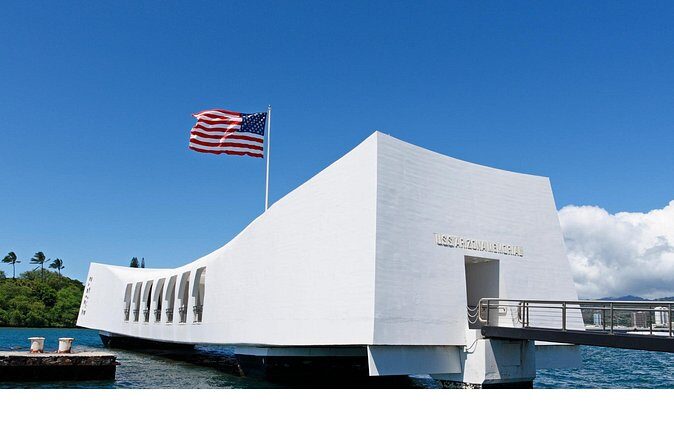
The tour continues through downtown Honolulu, the political heart of the city. You’re not just looking at old buildings; you’re connecting eras. You stop at the King Kamehameha Statue and Iolani Palace area, then you move toward modern government in the Hawaii State Capitol.
The Capitol is visually memorable for a reason. It was completed in 1969, designed by John Carl Warnecke, and it uses a volcano-inspired concept: two legislative chambers shaped like lava flows, and a central rotunda meant to echo the eye of a hurricane. Add the reflecting pool and an open-air courtyard planted with native Hawaiian plants, and you have a place that’s political and calm at the same time.
This stop is useful if you want a reality check. Pearl Harbor can make history feel like something that happened elsewhere. The Capitol reminds you that Hawaii’s institutions are alive and operating, and that the island story keeps evolving.
You do want to keep your eyes on the flow of the day. Downtown stops can be quick because you have multiple locations to hit in one stretch. If you hate walking between points, you’ll want to wear comfortable shoes and keep moving with the group so you do not miss your chance to get photos and read signage.
Mission Houses Museum and Kawaiahao Church: Small Stops With Big Texture
The last stretch of the day takes you into places that are easier to miss if you travel on your own. They add texture that fits well after the high-emotion sites.
At the Mission Houses Museum, you visit a historic complex of three restored missionary homes: the Frame House (1821), the Chamberlain House (1831), and the Printing Office (1841). The exhibits use period furnishings, artifacts, and documents to show daily missionary life, cultural exchanges, and how Western influence shaped Hawaiian society. I like stops like this because they are specific. You can see the spaces and imagine routines, rather than just learning abstract “history happened” statements.
Then you head to Kawaiahao Church, established in 1820. It has coral block construction and a tall steeple that shows up in the skyline. Inside, you’ll find koa wood furnishings and a quieter atmosphere tied to long-term community faith and tradition. The church is also connected to Hawaiian royalty history, which makes it feel more layered than a generic church stop.
Together, these two locations help you balance the day. Pearl Harbor is about 1941. The palace and capitol are about political shifts. Mission Houses and Kawaiahao Church add human scale: how people lived, practiced faith, built institutions, and changed over time.





Waikiki Pickup and an Air-Conditioned Ride: How to Make the Day Feel Easy
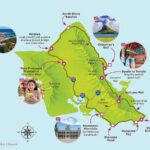
This tour is built around convenience. You get Waikiki hotel pick-up and drop-off, and transport in an air-conditioned vehicle. That matters because Honolulu traffic and parking can turn a “simple day” into a headache.
Your pickup schedule shows multiple Waikiki hotels, with departures around 7:30–8:00 AM for one run, and another pickup window around 10:30–11:00 AM. In plain terms: your exact start time depends on where you’re staying. When you book, double-check your hotel’s listed pickup slot so you’re not standing curbside at the wrong time.
A key policy point: you cannot meet at Pearl Harbor or receive tickets there. You meet in Waikiki and ride with the tour bus. That rule is normal for this kind of operation, but it’s also the difference between a smooth arrival and a stressful one—so don’t plan to self-drive or show up hoping to sort it out on site.
The tour includes full narration and a maximum of 24 travelers, which is a sweet spot for getting explanations without being packed in like a sardine. That said, group days still mean you should stay organized: listen for instructions, keep track of where the bus is, and be ready to move when it’s time.
Price and Value: What $57 Buys You (and What Might Still Cost Time)
At $57 per person, this is priced to feel accessible, especially because admission to the USS Arizona Memorial is included and the tour highlights say entrance fees are covered so you don’t need to budget extra. When you compare this to doing everything separately, you’re paying mostly for two things: the timed entry situation at Pearl Harbor and the guided “linking tissue” that connects war history to Honolulu’s political story.
You also get more than one stop. Besides the memorial and Visitor Center, the day includes multiple landmarks: King Kamehameha Statue, Iolani Palace, the Hawaii State Capitol, Mission Houses Museum, and Kawaiahao Church. That’s a lot for one half-day, and the value comes from not having to coordinate transit between areas.
Where the value can feel different is pacing and expectations. Some comments in the feedback data suggest the palace stop may not feel like a full internal guided visit, and a couple of complaints mention that guide communication didn’t go smoothly at Pearl Harbor-like transitions. Those issues don’t mean the tour is always like that, but they do mean you should choose with your style in mind.
If you want a guided package where someone manages the day and you mostly follow along, the value makes sense. If you’re the type who wants lots of free time, long interior museum sessions, and a slow pace without group logistics, you might feel the schedule squeeze.
Who This Tour Is Best For
This is a good fit if you:
- want a first-timer-friendly way to see USS Arizona Memorial without coordinating tickets
- like understanding how events in 1941 connect to Hawaiian political and cultural storylines
- prefer a guided format with narration and hotel transport from Waikiki
It may not be ideal if you:
- expect every stop to include a long guided interior experience (especially at Iolani Palace)
- get anxious when rules require bag handling or strict meeting instructions
- hate time limits and want to linger on your own
Should You Book This Pearl Harbor and Hawaiian Kingdom History Tour?
If your goal is to do the must-see Pearl Harbor site and pair it with the kingdom-to-modern-Hawaii story, I’d book it. The best reason is the mix: USS Arizona plus Road to War gives you both the emotional hit and the context, and the Honolulu stops help you understand what you’re looking at beyond 1941.
I’d also book it if you’re staying in Waikiki and want the day to run like a plan, not like a project. The transport and included access take friction out of the schedule.
Just go in with two smart expectations: follow the guide at transitions, and treat Iolani Palace and the other downtown stops as shorter, focused glimpses rather than all-day museum time.
If you do that, you’ll come away with a day that feels more like a guided understanding than a checklist.
FAQ
How long is the tour?
The tour runs about 5 hours on average, including time traveling between stops.
What is the price per person?
The price is $57.00 per person.
Does the tour include pickup from Waikiki?
Yes. It includes Waikiki hotel pick-up and drop-off, using an air-conditioned vehicle.
Is the USS Arizona admission included?
Yes. The tour includes the USS Arizona ticket.
What language is the tour offered in?
The tour is offered in English.
Is there a group size limit?
Yes. The maximum group size is 24 travelers.